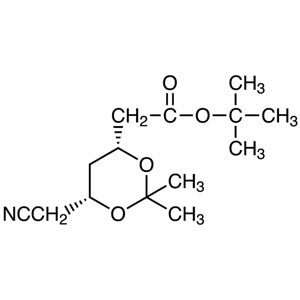
Tert-Butyl 2-[(4R,6R)-6-(2-Aminoethyl)-2,2-dimethyl-1,3-dioxan-4-yl]acetate is a chiral building block used in asymmetric synthesis to create complex molecules with precise stereochemical control. This compound plays a vital role in organic chemistry laboratories, especially in the development of bioactive compounds. Its chiral structure makes it an essential tool for researchers aiming to synthesize molecules with specific biological activities. Due to its structural complexity and functional groups, it is widely used in research that requires controlled chemical reactions and molecular specificity.
This compound is preferred for its stability and reactivity in synthetic processes. The tert-butyl group enhances its stability during chemical transformations, making it a reliable choice for synthetic chemists. Its chiral center allows for the selective formation of enantiomers, which is crucial in pharmaceutical and medicinal chemistry. The compound's versatility in participating in various chemical reactions also makes it a valuable resource in the development of new drugs and bioactive molecules.
In Indonesian laboratories, this compound is commonly used in organic chemistry research, particularly in pharmacological and biological applications. Researchers in academic and industrial settings rely on it to develop new therapeutic agents and understand molecular interactions. Its role in creating complex chiral structures supports advancements in drug discovery and synthetic chemistry within the region.
TCI brochures (PDF)
- Chiral Building Blocks 2025-04-14 · p. 15
Related TCI products
- TCI B4214 124655-09-0 tert-Butyl (4R,6S)-6-(Hydroxymethyl)-2,2-dimethyl-1,3-dioxane-4-acetate
- TCI B3642 125971-94-0 tert-Butyl (4R,6R)-6-Cyanomethyl-2,2-dimethyl-1,3-dioxane-4-acetate
- TCI B3905 847682-00-2 1,3-Bis[(2,2-dimethyl-1,3-dioxan-5-yl)oxy]-2-propanol
- TCI A2474 1392500-07-0 2-Azido-1,3-bis[(2,2-dimethyl-1,3-dioxan-5-yl)oxy]propane
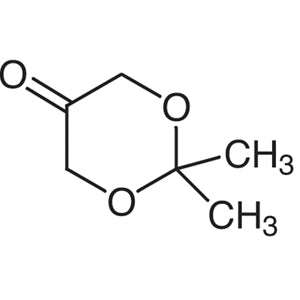
- TCI D2397 74181-34-3 2,2-Dimethyl-1,3-dioxan-5-one
- TCI A1107 2623-23-6 (-)-Menthyl Acetate
- Asymmetric Synthesis: This compound is ideal for creating chiral molecules with precise stereochemistry, essential in drug development and bioactive compound synthesis.
- Pharmaceutical Research: It supports the development of new drugs by enabling the synthesis of enantiomerically pure compounds with specific biological activities.
- Organic Chemistry Studies: Its complex structure and functional groups make it a valuable tool for exploring reaction mechanisms and synthetic pathways.
- Biomedical Applications: It is used in the study of molecular interactions and the design of compounds with targeted therapeutic effects.
- Academic Research: It is widely utilized in universities and research institutions for teaching and experimental purposes in synthetic chemistry.
| Brand | TCI |
|---|---|
| CAS number | 125995-13-3 |
| Molecular formula | — |
| Purity | — |
| Category | Chemistry > Asymmetric Synthesis > Chiral Building Blocks |
| Pack sizes | Available in various quantities as per supplier specifications |
| Physical form | Solid or liquid, depending on supplier packaging |
| Storage | Store in a cool, dry place away from light and moisture |
This compound should be stored in a cool, dry environment, away from direct sunlight and moisture to maintain its stability. It is recommended to use airtight containers made of glass or high-density polyethylene to prevent contamination and degradation. Due to its chiral nature and potential reactivity, it should be handled with care in a well-ventilated laboratory setting. Proper personal protective equipment, such as gloves and safety goggles, should be worn during handling. The compound should not be exposed to heat or incompatible substances to ensure safe storage and use. Always follow standard laboratory safety protocols when working with this material.
—
Produk Terkait
-
tert-Butyl(4R,6S)-6-(Hydroxymethyl)-2,2-dimethyl-1,3-dioxane-4-acetate TCI B4214
Regular price Rp 2.702.700,00Regular priceRp 1.905.750,00Sale price Rp 2.702.700,00 -
tert-Butyl(4R,6R)-6-Cyanomethyl-2,2-dimethyl-1,3-dioxane-4-acetate TCI B3642
Regular price Rp 2.464.350,00Regular priceRp 1.738.800,00Sale price Rp 2.464.350,00 -
1,3-Bis[(2,2-dimethyl-1,3-dioxan-5-yl)oxy]-2-propanol TCI B3905
Regular price Rp 3.392.550,00Regular priceRp 2.387.700,00Sale price Rp 3.392.550,00 -
2-Azido-1,3-bis[(2,2-dimethyl-1,3-dioxan-5-yl)oxy]propane TCI A2474
Regular price Rp 4.796.400,00Regular priceRp 3.369.450,00Sale price Rp 4.796.400,00 -
2,2-Dimethyl-1,3-dioxan-5-one TCI D2397
Regular price From Rp 2.702.700,00Regular priceRp 1.905.750,00Sale price From Rp 2.702.700,00 -
(-)-MenthylAcetate TCI A1107
Regular price Rp 823.200,00Regular priceRp 575.400,00Sale price Rp 823.200,00 -
(+)-MenthylAcetate TCI M2631
Regular price From Rp 2.625.000,00Regular priceRp 1.835.400,00Sale price From Rp 2.625.000,00 -
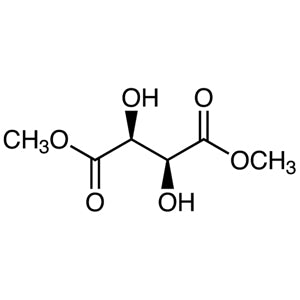
DimethylD-(-)-Tartrate TCI T1659
Regular price From Rp 584.850,00Regular priceRp 408.450,00Sale price From Rp 584.850,00