2,2-Dimethyl-1,3-dioxan-5-one is a chemical compound widely used as a foundational building block in the synthesis of complex organic molecules. Its cyclic structure enables participation in various chemical reactions, including substitution, reduction, and oxidation. This compound is essential in organic chemistry laboratories for constructing larger molecular frameworks, particularly in the fields of organic synthesis and pharmacology. Its role as a versatile intermediate allows researchers to develop new compounds and optimize synthetic pathways.
The compound is valued for its chemical stability and controlled reactivity, which can be manipulated through specific reaction conditions. Its cyclic structure provides a degree of stability that minimizes unwanted degradation during chemical processes. These properties make it a reliable and predictable reagent for synthetic applications. The ability to maintain stability while remaining chemically reactive makes it a preferred choice for researchers seeking consistent results in their experiments.
In Indonesian laboratories, 2,2-Dimethyl-1,3-dioxan-5-one is commonly used in organic chemistry, pharmaceutical research, and material science. It is a staple in academic and industrial research settings, supporting the development of new compounds and the refinement of existing synthetic methods. Its availability in the local market ensures accessibility for both researchers and students working on advanced chemical projects.
Related TCI products
- TCI B3905 847682-00-2 1,3-Bis[(2,2-dimethyl-1,3-dioxan-5-yl)oxy]-2-propanol
- TCI H1546 172611-72-2 2-(1-Hydroxy-3-methylbutylidene)-5,5-dimethyl-1,3-cyclohexanedione
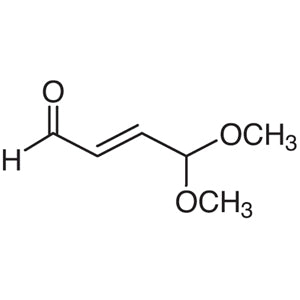
- TCI F0350 4093-49-6 Fumaraldehyde Mono(dimethyl Acetal) (stabilized with HQ)
- TCI E1417 6290-17-1 Ethyl 2-(2,4-Dimethyl-1,3-dioxolan-2-yl)acetate (mixture of diastereoisomers)
- TCI D5721 7040-23-5 Dimethyl 2,2'-Oxydiacetate
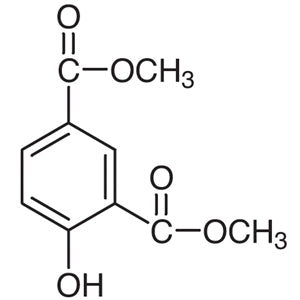
- TCI D3562 5985-24-0 Dimethyl 4-Hydroxyisophthalate
- Organic synthesis: This compound is ideal for constructing complex molecular structures due to its cyclic framework and reactivity.
- Pharmaceutical research: It serves as a key intermediate in the development of new drugs and medicinal compounds.
- Material science: Its chemical stability makes it suitable for synthesizing polymers and other advanced materials.
- Academic research: Widely used in universities and research institutions for teaching and experimental purposes.
- Industrial applications: It is employed in chemical manufacturing processes requiring controlled reactivity and stability.
| Brand | TCI |
|---|---|
| CAS number | 74181-34-3 |
| Molecular formula | — |
| Purity | — |
| Category | Chemistry > Building Blocks > Non-Heterocyclic Building Blocks |
| Pack sizes | Available in various quantities as per standard laboratory supply formats |
| Physical form | Liquid |
| Storage | Store in a cool, dry place away from direct sunlight |
This compound should be stored in a cool, dry environment, away from direct sunlight and sources of heat. It is recommended to use airtight containers made of materials compatible with organic solvents to prevent contamination and evaporation. Due to its chemical nature, it should be handled in a well-ventilated area, and appropriate personal protective equipment should be worn. Avoid exposure to incompatible substances to ensure safety and maintain the compound's integrity. Proper storage conditions are essential to preserve its chemical stability and reactivity for laboratory use.
—
Produk Terkait
-
1,3-Bis[(2,2-dimethyl-1,3-dioxan-5-yl)oxy]-2-propanol TCI B3905
Regular price Rp 3.340.050,00Regular price -
2-(1-Hydroxy-3-methylbutylidene)-5,5-dimethyl-1,3-cyclohexanedione TCI H1546
Regular price From Rp 2.121.000,00Regular price -
FumaraldehydeMono(dimethylAcetal)(stabilizedwithHQ) TCI F0350
Regular price From Rp 6.281.100,00Regular price -
Ethyl2-(2,4-Dimethyl-1,3-dioxolan-2-yl)acetate(mixtureofdiastereoisomers) TCI E1417
Regular price From Rp 610.050,00Regular price -
Dimethyl2,2'-Oxydiacetate TCI D5721
Regular price Rp 3.100.650,00Regular price -
Dimethyl4-Hydroxyisophthalate TCI D3562
Regular price From Rp 1.458.450,00Regular price -
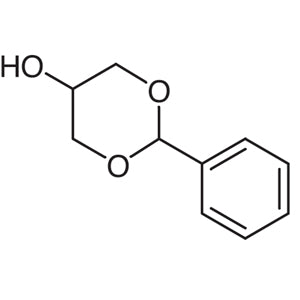
2-Phenyl-1,3-dioxan-5-ol TCI P1422
Regular price Rp 3.155.250,00Regular price -
GlycerolFormal(=1,3-Dioxan-5-ol) TCI G0391
Regular price Rp 2.174.550,00Regular price
![847682-00-2 1,3-Bis[(2,2-dimethyl-1,3-dioxan-5-yl)oxy]-2-propanol - AMI Scientific](http://amiscientific.com/cdn/shop/files/TCI2510B3905.jpg?v=1768815545&width=533)