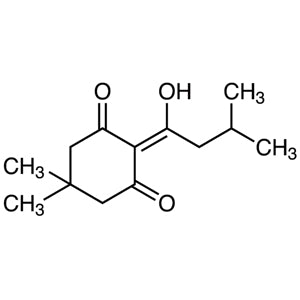
TCI H1546, with the CAS number 172611-72-2, is a complex organic compound known as 2-(1-Hydroxy-3-methylbutylidene)-5,5-dimethyl-1,3-cyclohexanedione. This compound is widely used in laboratory settings as a building block for the synthesis of other organic compounds. Its unique chemical structure makes it a valuable tool in organic chemistry, particularly in reactions involving carbon-carbon bond formation and oxidation processes. In research environments, it plays a crucial role in the development of compounds with specific structural features.
The compound's reactivity is primarily due to the presence of hydroxyl and carbonyl groups, which enable it to participate in a variety of chemical reactions. These functional groups contribute to its versatility in synthetic pathways. Additionally, the cyclohexane ring provides structural stability, making it suitable for reactions that require controlled conditions. Its chemical properties allow it to be a preferred choice for researchers aiming to achieve precise and reproducible results.
In Indonesian laboratories, this compound is commonly used in scientific research, especially in the fields of organic chemistry and pharmacology. It is a key component in the development of new compounds and is frequently utilized by research institutions and universities. Its role in advancing chemical research makes it an essential material for scientists working on complex molecular structures and drug development.
Related TCI products
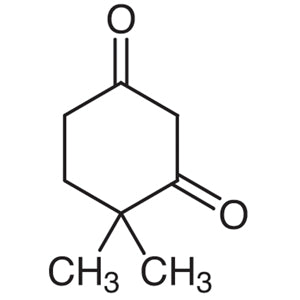
- TCI D2681 562-46-9 4,4-Dimethyl-1,3-cyclohexanedione
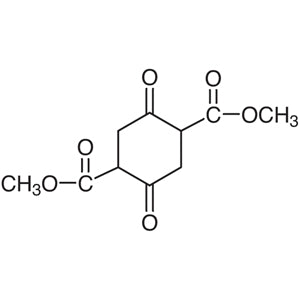
- TCI C1343 6289-46-9 Dimethyl 1,4-Cyclohexanedione-2,5-dicarboxylate
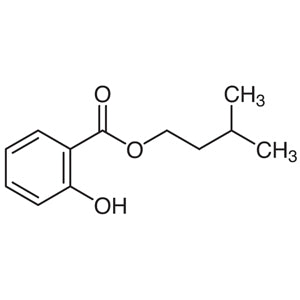
- TCI S0012 87-20-7 Isoamyl Salicylate (contains 2-Methylbutyl Salicylate)
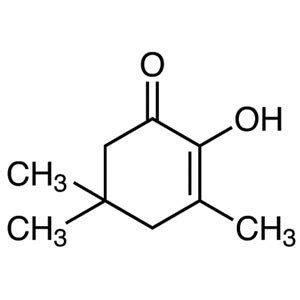
- TCI T2723 4883-60-7 2-Hydroxy-3,5,5-trimethyl-2-cyclohexen-1-one
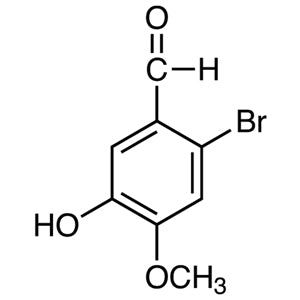
- TCI B4681 2973-59-3 2-Bromo-5-hydroxy-4-methoxybenzaldehyde
- TCI B3229 2208-15-3 4-Bromo-3-hydroxy-2-naphthoic Acid
- Organic synthesis applications benefit from its unique structure, enabling the creation of complex molecules with high precision.
- It is ideal for oxidation reactions due to its reactive carbonyl groups, facilitating the formation of various functional groups.
- In pharmaceutical research, it serves as a building block for the development of new drug compounds with specific molecular features.
- It is used in carbon-carbon bond formation reactions, supporting the synthesis of a wide range of organic compounds.
- Its stability in controlled environments makes it suitable for use in long-term research projects requiring consistent results.
| Brand | TCI |
|---|---|
| CAS number | 172611-72-2 |
| Molecular formula | — |
| Purity | — |
| Category | Chemistry > Building Blocks > Non-Heterocyclic Building Blocks |
| Pack sizes | Available in various quantities as per standard laboratory supply |
| Physical form | Solid or liquid, depending on the specific formulation |
| Storage | Store in a cool, dry place away from direct sunlight and moisture |
This compound should be stored in a cool, dry environment to maintain its chemical integrity. It is recommended to keep it in a tightly sealed container to prevent exposure to moisture and air. Due to its reactivity, it should be handled with care, using appropriate personal protective equipment such as gloves and safety goggles. Storage conditions should avoid extreme temperatures and direct sunlight to prevent degradation. It is important to ensure that the compound is stored in a well-ventilated area to minimize any potential risks associated with its chemical properties. Proper labeling and storage practices help maintain safety and ensure the compound remains suitable for use in laboratory applications.
—
Produk Terkait
-
4,4-Dimethyl-1,3-cyclohexanedione TCI D2681
Regular price Rp 2.121.000,00Regular price -
Dimethyl1,4-Cyclohexanedione-2,5-dicarboxylate TCI C1343
Regular price From Rp 717.150,00Regular price -
IsoamylSalicylate(contains2-MethylbutylSalicylate) TCI S0012
Regular price From Rp 505.050,00Regular price -
2-Hydroxy-3,5,5-trimethyl-2-cyclohexen-1-one TCI T2723
Regular price Rp 1.273.650,00Regular price -
2-Bromo-5-hydroxy-4-methoxybenzaldehyde TCI B4681
Regular price Rp 4.293.450,00Regular price -
4-Bromo-3-hydroxy-2-naphthoicAcid TCI B3229
Regular price From Rp 2.174.550,00Regular price -
7-Bromo-3-hydroxy-2-naphthoicAcid TCI B3180
Regular price From Rp 769.650,00Regular price -
2-Hydroxy-6-methylbenzoicAcid TCI M3737
Regular price From Rp 2.332.050,00Regular price