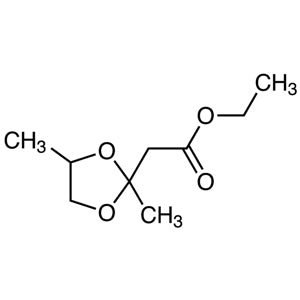
Ethyl 2-(2,4-Dimethyl-1,3-dioxolan-2-yl)acetate (mixture of diastereoisomers) is a chemical compound widely used in organic synthesis reactions. This compound belongs to the category of building blocks, which are essential components in the creation of complex molecular structures. Its versatility makes it an important tool for researchers aiming to develop new compounds and materials. Due to its reactivity and ability to interact with various functional groups, it is a valuable resource in synthetic chemistry.
The compound's unique structural features, including the presence of a 1,3-dioxolan ring, contribute to its stability and reactivity. The mixture of diastereoisomers provides spatial variability, allowing for the formation of different products in chemical reactions. This flexibility enhances its utility in synthetic applications. Its chemical properties make it a preferred choice for scientists working in both academic and industrial research settings.
In Indonesian laboratories, this compound is commonly used in organic chemistry research and the development of new chemical compounds. Its role is critical in the synthesis of various pharmaceutical and industrial products. Researchers rely on its predictable behavior and stability under controlled laboratory conditions to ensure successful experimental outcomes. Its application is widespread in both academic and applied research environments.
Related TCI products
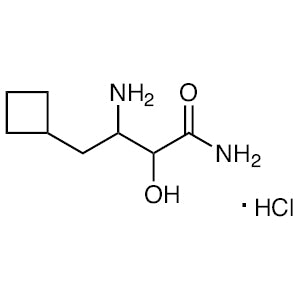
- TCI A3314 394735-23-0 3-Amino-4-cyclobutyl-2-hydroxybutanamide Hydrochloride (mixture of diastereoisomers)
- TCI E0929 6413-10-1 Ethyl 2-(2-Methyl-1,3-dioxolan-2-yl)acetate
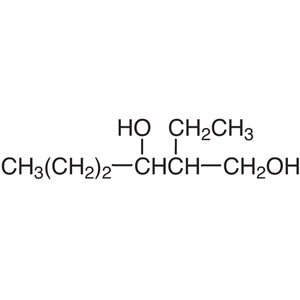
- TCI E0119 94-96-2 2-Ethyl-1,3-hexanediol (mixture of diastereoisomers)
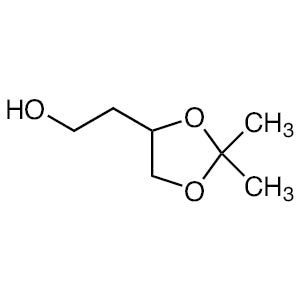
- TCI D5914 5754-34-7 2-(2,2-Dimethyl-1,3-dioxolan-4-yl)ethan-1-ol
- TCI A0723 32210-23-4 4-tert-Butylcyclohexyl Acetate (cis- and trans- mixture)
- TCI T0023 80-26-2 Terpinyl Acetate (mixture of isomers)
- Organic synthesis reactions benefit from this compound's reactivity and ability to form diverse products through its diastereoisomeric structure.
- Development of new pharmaceutical compounds often involves this building block due to its structural versatility and stability.
- It is used in the creation of complex molecular frameworks, enabling the synthesis of advanced chemical materials.
- Research in medicinal chemistry frequently incorporates this compound to explore new therapeutic agents and drug candidates.
- It supports the preparation of functionalized molecules, which are essential in the design of specialized chemical products.
| Brand | TCI |
|---|---|
| CAS number | 6290-17-1 |
| Molecular formula | — |
| Purity | — |
| Category | Chemistry > Building Blocks > Non-Heterocyclic Building Blocks |
| Pack sizes | Available in standard laboratory quantities |
| Physical form | Liquid |
| Storage | Store in a cool, dry place away from direct sunlight |
This compound should be stored in a cool, dry environment, away from direct sunlight and sources of heat. It is recommended to use airtight containers to prevent exposure to moisture and air. Due to its chemical nature, it should be handled with appropriate personal protective equipment, such as gloves and safety goggles. Proper ventilation is essential when working with this material to minimize inhalation risks. Storage should be in a well-ventilated area to ensure safety and maintain its chemical integrity. Regular monitoring of storage conditions is advised to ensure optimal stability and usability in laboratory settings.
—
Produk Terkait
-
3-Amino-4-cyclobutyl-2-hydroxybutanamideHydrochloride(mixtureofdiastereoisomers) TCI A3314
Regular price From Rp 955.500,00Regular price -
Ethyl2-(2-Methyl-1,3-dioxolan-2-yl)acetate TCI E0929
Regular price From Rp 769.650,00Regular price -
2-Ethyl-1,3-hexanediol(mixtureofdiastereoisomers) TCI E0119
Regular price From Rp 557.550,00Regular price -
2-(2,2-Dimethyl-1,3-dioxolan-4-yl)ethan-1-ol TCI D5914
Regular price From Rp 1.803.900,00Regular price -
4-tert-ButylcyclohexylAcetate(cis-andtrans-mixture) TCI A0723
Regular price From Rp 505.050,00Regular price -
TerpinylAcetate(mixtureofisomers) TCI T0023
Regular price From Rp 477.750,00Regular price -
5-Norbornen-2-ylAcetate(endo-andexo-mixture) TCI N0895
Regular price From Rp 2.545.200,00Regular price -
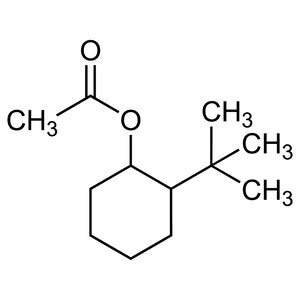
2-tert-ButylcyclohexylAcetate(cis-andtrans-mixture) TCI B6830
Regular price From Rp 769.650,00Regular price