Ethyl 2-(2-Methyl-1,3-dioxolan-2-yl)acetate is a chemical compound widely used as a building block in the synthesis of complex organic compounds. It plays a crucial role in laboratory settings where ester formation or functional group transformation reactions are required. This compound is particularly valuable for researchers working in organic chemistry and pharmacology, as it serves as a versatile intermediate in the development of new chemical entities. Its ability to participate in a variety of synthetic pathways makes it an essential tool for advanced chemical experimentation.
The compound is characterized by its complex molecular structure and good solubility in organic solvents, which are key properties that make it a preferred choice for synthetic chemists. These characteristics enable it to be effectively used in reactions that require high solubility and reactivity. Its stability under controlled laboratory conditions further enhances its utility, allowing for reliable and consistent results in chemical synthesis. The combination of these properties ensures that it remains a valuable reagent in both academic and industrial research environments.
In Indonesian laboratories, this compound is commonly used by researchers in the fields of pure and applied chemistry. It is particularly relevant for studies involving the synthesis of pharmacological compounds, the development of industrial chemicals, and the investigation of organic reactivity. Its presence in laboratory workflows underscores its importance as a fundamental reagent in chemical research and development.
Related TCI products
- TCI E1417 6290-17-1 Ethyl 2-(2,4-Dimethyl-1,3-dioxolan-2-yl)acetate (mixture of diastereoisomers)
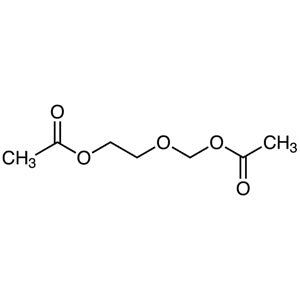
- TCI A3163 59278-00-1 (2-Acetoxyethoxy)methyl Acetate
- TCI A2960 42059-48-3 4-Acetyl-3-hydroxyphenyl Acetate
- TCI A1059 542-59-6 2-Hydroxyethyl Acetate
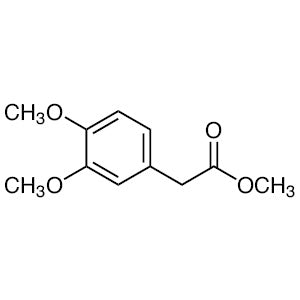
- TCI M3431 15964-79-1 Methyl 2-(3,4-Dimethoxyphenyl)acetate
- TCI H1920 3233-32-7 4-Hydroxyphenyl Acetate
- Synthesis of pharmacological compounds as a key intermediate in the development of new drugs.
- Functional group transformation reactions due to its reactivity and compatibility with various synthetic methods.
- Organic chemistry research for the creation of complex molecular structures and chemical derivatives.
- Industrial chemical development for the production of specialty chemicals and intermediates.
- Study of organic reactivity to understand reaction mechanisms and optimize synthetic pathways.
| Brand | TCI |
|---|---|
| CAS number | 6413-10-1 |
| Molecular formula | — |
| Purity | — |
| Category | Chemistry > Building Blocks > Non-Heterocyclic Building Blocks |
| Pack sizes | Available in various quantities as per standard laboratory supply formats |
| Physical form | Liquid |
| Storage | Store in a cool, dry place away from direct sunlight and incompatible materials |
This compound should be stored in a cool, dry environment, away from direct sunlight and sources of heat. It is recommended to use airtight containers made of materials compatible with organic solvents to prevent contamination and evaporation. Due to its chemical nature, it should be kept away from strong oxidizing agents and incompatible substances to avoid potential reactions. Proper labeling and secure storage are essential to ensure safety in the laboratory. Regular monitoring of storage conditions will help maintain the compound’s stability and effectiveness for use in chemical synthesis. Always follow standard laboratory safety protocols when handling and using this material.
—
Produk Terkait
-
Ethyl2-(2,4-Dimethyl-1,3-dioxolan-2-yl)acetate(mixtureofdiastereoisomers) TCI E1417
Regular price From Rp 610.050,00Regular price -
(2-Acetoxyethoxy)methylAcetate TCI A3163
Regular price From Rp 452.550,00Regular price -
4-Acetyl-3-hydroxyphenylAcetate TCI A2960
Regular price From Rp 1.696.800,00Regular price -
2-HydroxyethylAcetate TCI A1059
Regular price From Rp 2.094.750,00Regular price -
Methyl2-(3,4-Dimethoxyphenyl)acetate TCI M3431
Regular price From Rp 2.439.150,00Regular price -
4-HydroxyphenylAcetate TCI H1920
Regular price From Rp 1.378.650,00Regular price -
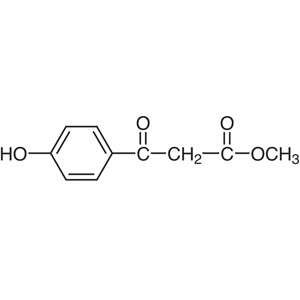
Methyl(4-Hydroxybenzoyl)acetate TCI H0828
Regular price From Rp 4.479.300,00Regular price -
Methyl(2,4-Dichlorophenoxy)acetate TCI D6084
Regular price From Rp 2.306.850,00Regular price