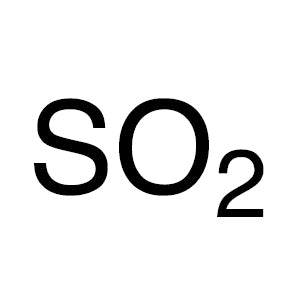
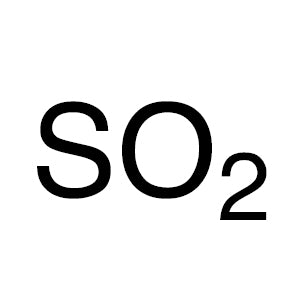
TCI B3960, with the CAS number 119752-83-9, is a specialized chemical compound used in various synthetic reactions within laboratory settings. This compound is an adduct formed from bis(sulfur dioxide) and 1,4-diazabicyclo[2.2.2]octane, which gives it a unique and complex molecular structure. Its chemical properties make it suitable for reactions involving carbon-based bonding without the presence of halogen atoms. This reagent plays a key role in organic synthesis, supporting the development of new compounds and materials in research environments.
The compound is valued for its stability and reactivity, which allow it to be a preferred choice in synthetic chemistry. Its ability to participate in reactions under controlled conditions ensures consistent results, making it reliable for experimental use. The chemical’s reactivity can be tailored to meet specific experimental needs, offering flexibility in application. Additionally, its safe handling properties contribute to its popularity in laboratory settings, ensuring both efficiency and safety during use.
In Indonesian laboratories, this compound is widely used in chemical research, particularly in the field of organic synthesis and complex chemical reactions. Its relevance extends to academic institutions and research centers, where it supports the development of new chemical compounds and materials. The compound's versatility and effectiveness make it a valuable tool for scientists and researchers working in diverse chemical applications.
Advantages (TCI brochure)
- Bench-stable solid
- Usable with metal catalysts
- Applicable to the syntheses of various sulfone derivatives
TCI brochures (PDF)
- Reagent for the Synthesis of Primary Sulfonamides tBuONSO 2025-10-07 · p. 1
- Sulfur Dioxide (SO2) Surrogate Reagents Usable for Sulfonation 2026-05-18 · p. 1
Related TCI products
- TCI U0113 2098851-56-8 Sulfur Dioxide 1-Methylpyrrolidine Adduct
- TCI U0148 7446-09-5 Sulfur Dioxide (ca. 2.5% in Dichloromethane, ca. 0.5 mol/L)
- TCI U0147 7446-09-5 Sulfur Dioxide (ca 8% in Tetrahydrofuran, ca 12 mol/L)
- TCI D6459 149771-44-8 tert-Butyl 3,8-Diazabicyclo[3.2.1]octane-8-carboxylate
- TCI D6441 201162-53-0 tert-Butyl 3,8-Diazabicyclo[3.2.1]octane-3-carboxylate
- TCI D5252 33322-06-4 1,4-Diazabicyclo[2.2.2]octane Dihydriodide
- Organic synthesis reactions requiring C-X bond formation without halogen involvement benefit from its reactivity and stability.
- Complex chemical reactions in research settings utilize its unique structure for enhanced reaction efficiency and selectivity.
- Development of new chemical compounds in academic and industrial laboratories relies on its ability to form stable intermediates.
- Advanced chemical experiments in educational institutions use it to demonstrate synthetic pathways and molecular behavior.
- Customized chemical synthesis projects in research labs take advantage of its flexibility and controlled reactivity.
From the TCI brochure
- Sulfonation
- Sulfamination
- Sulfonyl Fluoride Synthesis
- Sulfamidation
- Sulfoxidation
| Brand | TCI |
|---|---|
| CAS number | 119752-83-9 |
| Molecular formula | — |
| Purity | — |
| Category | Chemistry > Synthetic Reagents > C-X(Non-Halogen) Bond Formation [Synthetic Reagents] |
| Pack sizes | Available in standard laboratory quantities as per supplier specifications |
| Physical form | Solid or liquid, depending on formulation and packaging |
| Storage | — |
This compound should be stored in a cool, dry, and well-ventilated area away from direct sunlight and sources of heat. It is recommended to use airtight containers made of materials that are chemically inert to prevent contamination and degradation. Proper labeling and storage conditions are essential to maintain its chemical integrity. Laboratory personnel should wear appropriate personal protective equipment, including gloves and safety goggles, when handling the compound. The substance should be kept in a secure location to prevent accidental exposure and ensure safe laboratory practices.
—
Produk Terkait
-
SulfurDioxide1-MethylpyrrolidineAdduct TCI U0113
Regular price From Rp 2.147.250,00Regular priceRp 1.517.250,00Sale price From Rp 2.147.250,00 -
SulfurDioxide(ca.2.5%inDichloromethane,ca.0.5mol/L) TCI U0148
Regular price From Rp 1.908.900,00Regular priceRp 1.334.550,00Sale price From Rp 1.908.900,00 -
SulfurDioxide(ca8%inTetrahydrofuran,ca12mol/L) TCI U0147
Regular price From Rp 1.458.450,00Regular priceRp 1.019.550,00Sale price From Rp 1.458.450,00 -
tert-Butyl3,8-Diazabicyclo[3.2.1]octane-8-carboxylate TCI D6459
Regular price From Rp 1.378.650,00Regular priceRp 979.650,00Sale price From Rp 1.378.650,00 -
tert-Butyl3,8-Diazabicyclo[3.2.1]octane-3-carboxylate TCI D6441
Regular price Rp 1.351.350,00Regular priceRp 960.750,00Sale price Rp 1.351.350,00 -
1,4-Diazabicyclo[2.2.2]octaneDihydriodide TCI D5252
Regular price From Rp 1.326.150,00Regular priceRp 942.900,00Sale price From Rp 1.326.150,00 -
1,4-Diazabicyclo[2.2.2]octaneDihydrochloride TCI D5251
Regular price From Rp 1.961.400,00Regular priceRp 1.387.050,00Sale price From Rp 1.961.400,00 -
1,4-Diazabicyclo[2.2.2]octaneDihydrobromide TCI D5250
Regular price From Rp 1.008.000,00Regular priceRp 720.300,00Sale price From Rp 1.008.000,00