Bis(2-ethylhexyl) Isophthalate is a chemical compound widely used in scientific and industrial applications related to materials science. As a polymer additive, it plays a crucial role in laboratory settings by serving as a solvent or auxiliary material during polymer synthesis processes. Its inclusion in laboratory workflows enables researchers to manipulate and control the physical and chemical properties of final products. This compound is particularly valuable in experiments requiring stability and consistency in chemical behavior under various conditions.
The compound is known for its chemical stability and excellent solubility in organic solvents, making it a preferred choice for many laboratory applications. These properties ensure that it remains effective in repeated use without significant degradation. Its ability to maintain structural integrity and chemical consistency in different environments enhances its reliability in both research and industrial contexts. This stability is especially important when working with complex polymer formulations or when precision is critical.
In Indonesian laboratories, Bis(2-ethylhexyl) Isophthalate is commonly used in material research, chemical analysis, and manufacturing processes. Its safe and effective nature makes it a go-to choice for researchers and technicians seeking high-quality auxiliary materials for their experiments. The compound supports a wide range of applications, from basic research to advanced material development, ensuring consistent results and reliable performance.
TCI brochures (PDF)
- Polymer Additives 2026-04-16 · p. 2
Related TCI products
- Physical property testing of polymers to determine material performance under specific conditions.
- Preparation of polymer blends to achieve desired mechanical and thermal characteristics.
- Solvent-based formulation of coatings and adhesives for industrial and research applications.
- Analysis of polymer compatibility with various additives and processing agents.
- Development of synthetic materials for use in advanced manufacturing and engineering projects.
| Brand | TCI |
|---|---|
| CAS number | 137-89-3 |
| Molecular formula | — |
| Purity | — |
| Category | Materials Science > Polymer/Macromolecule Reagents > Polymer Additives |
| Pack sizes | Available in standard laboratory quantities as per supplier specifications |
| Physical form | Liquid |
| Storage | Store in a cool, dry place away from direct sunlight and incompatible materials |
Bis(2-ethylhexyl) Isophthalate should be stored in a cool, dry environment to maintain its chemical stability and prevent degradation. It is recommended to use sealed containers made of materials compatible with organic solvents to avoid contamination and evaporation. Due to its flammable nature, it should be kept away from heat sources and open flames. Proper ventilation is essential when handling the compound to minimize inhalation risks. Laboratory personnel should wear appropriate personal protective equipment, including gloves and safety goggles, to ensure safe handling. Regular monitoring of storage conditions is advised to maintain the integrity of the compound and ensure its effectiveness in experimental applications.
—
Produk Terkait
-
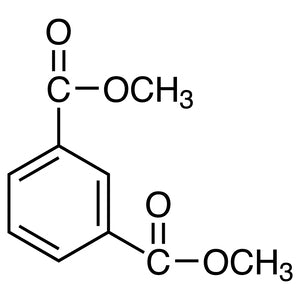
DimethylIsophthalate TCI I0157
Regular price From Rp 452.550,00Regular priceRp 316.050,00Sale price From Rp 452.550,00 -
Bis(2-ethylhexyl)Adipate TCI A0163
Regular price Rp 452.550,00Regular priceRp 316.050,00Sale price Rp 452.550,00 -
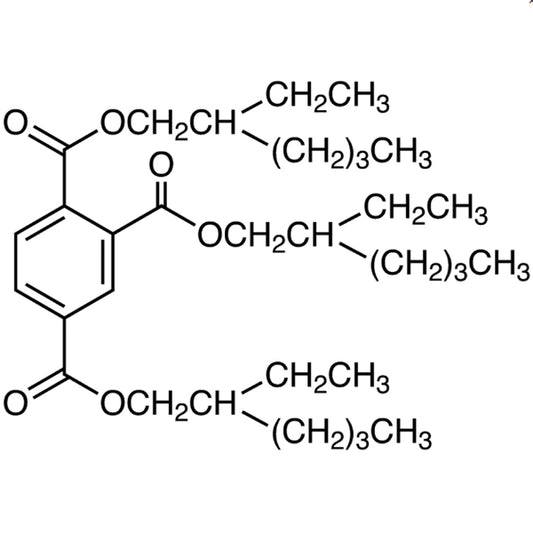
Tris(2-ethylhexyl)Trimellitate TCI B0881
Regular price From Rp 505.050,00Regular priceRp 352.800,00Sale price From Rp 505.050,00 -
Bis(2-ethylhexyl)Azelate TCI A1473
Regular price Rp 2.942.100,00Regular priceRp 2.072.700,00Sale price Rp 2.942.100,00 -
Bis(2-ethylhexyl)Azelate TCI A0653
Regular price From Rp 530.250,00Regular priceRp 386.400,00Sale price From Rp 530.250,00 -
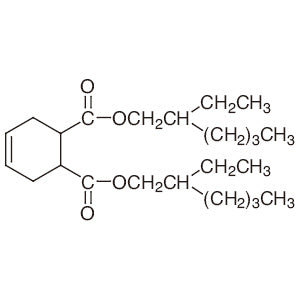
Bis(2-ethylhexyl)4-Cyclohexene-1,2-dicarboxylate TCI T0605
Regular price From Rp 477.750,00Regular priceRp 333.900,00Sale price From Rp 477.750,00 -
Bis(2-ethylhexyl)Suberate TCI S0443
Regular price Rp 2.227.050,00Regular priceRp 1.572.900,00Sale price Rp 2.227.050,00 -
Bis(2-ethylhexyl)Sebacate TCI S0025
Regular price From Rp 557.550,00Regular priceRp 405.300,00Sale price From Rp 557.550,00