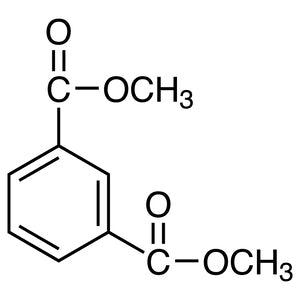
Dimethyl Isophthalate is a chemical compound widely used as a foundational material in various chemical reactions and organic synthesis processes. It is derived from isophthalic acid through methylation, resulting in a stable yet reactive molecule. This compound plays a crucial role in the laboratory by serving as a versatile building block for the creation of complex organic compounds, including esters, resins, and polymers. Its chemical properties make it an essential component in synthetic pathways where controlled reactivity is required.
The compound is known for its chemical stability under normal conditions, yet it remains reactive when exposed to various reagents. It is colorless with a mild odor, making it easy to handle and identify in laboratory settings. Its non-toxic nature and low hazard profile contribute to its popularity among researchers. Additionally, its relatively high boiling and melting points allow for ease of use in heating and cooling processes, enhancing its practicality in laboratory workflows.
In Indonesian laboratories, Dimethyl Isophthalate is extensively used in research and development activities. It is a common choice for chemists and researchers due to its reliability and consistent performance. Its applications span across multiple disciplines, including organic chemistry, polymer science, and industrial chemistry. Its availability and compatibility with various experimental setups make it a preferred material for both academic and industrial research.
- Organic synthesis reactions benefit from Dimethyl Isophthalate due to its reactivity and stability, enabling the formation of complex ester and polymer structures.
- It is ideal for resin and polymer production as it contributes to the structural integrity and chemical properties of the final products.
- In polymer science, this compound is used to develop new materials with specific mechanical and thermal properties.
- Its use in industrial chemistry allows for the creation of specialty chemicals that meet specific application requirements.
- Dimethyl Isophthalate is commonly used in research settings where controlled chemical transformations are necessary for the development of new compounds.
| Brand | TCI |
|---|---|
| CAS number | 1459-93-4 |
| Molecular formula | — |
| Purity | — |
| Category | Chemistry > Building Blocks > Non-Heterocyclic Building Blocks |
| Pack sizes | Available in various quantities as per standard laboratory supply |
| Physical form | Colorless liquid |
| Storage | Store in a cool, dry place away from direct sunlight and incompatible materials |
Dimethyl Isophthalate should be stored in a cool, dry environment to maintain its chemical stability. It is recommended to keep it in a sealed container to prevent exposure to air and moisture. Suitable containers include glass or high-density polyethylene bottles to ensure chemical compatibility. Laboratory personnel should handle the compound with care, using appropriate personal protective equipment such as gloves and goggles. It is important to avoid contact with incompatible substances and ensure proper ventilation when working with this material. Regular monitoring of storage conditions helps maintain the integrity of the compound for consistent experimental results.
—
Produk Terkait
-
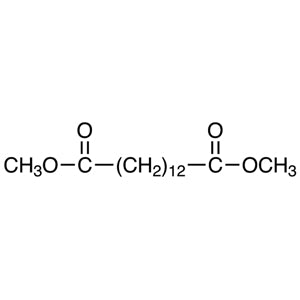
DimethylTetradecanedioate TCI T1726
Regular price From Rp 2.411.850,00Regular price -
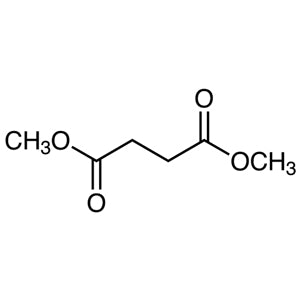
DimethylSuccinate TCI S0104
Regular price From Rp 477.750,00Regular price -
DimethylPhthalate TCI P0302
Regular price From Rp 505.050,00Regular price -
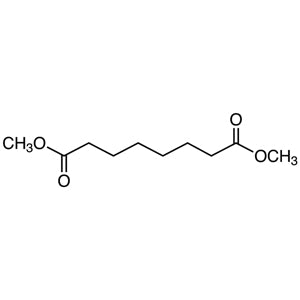
DimethylSuberate TCI O0183
Regular price From Rp 2.571.450,00Regular price -
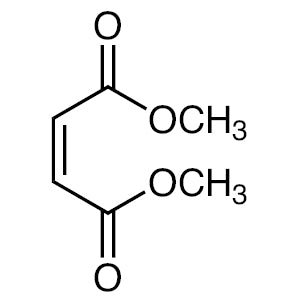
DimethylMaleate TCI M0012
Regular price From Rp 505.050,00Regular price -
DimethylIcosanedioate TCI E0330
Regular price From Rp 2.969.400,00Regular price -
DimethylHexadecanedioate TCI D3554
Regular price From Rp 4.213.650,00Regular price -
DimethylOctadecanedioate TCI D3540
Regular price From Rp 4.771.200,00Regular price