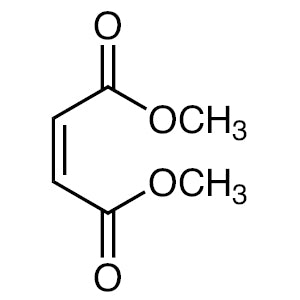
Dimethyl Maleate (DMMA), also known as TCI M0012 624-48-6, is a versatile chemical compound widely used in organic synthesis as a building block in laboratory settings. It serves as a foundational material for creating more complex organic molecules, particularly in the development of both heterocyclic and non-heterocyclic compounds. Its simple molecular structure provides a stable yet reactive platform for various chemical transformations, making it a valuable resource for researchers and chemists. DMMA is especially useful in reactions that require high reactivity and the ability to form bonds with multiple functional groups.
The chemical properties of DMMA make it a preferred choice in laboratory environments. It contains a carbonyl group, which is highly reactive and can participate in a wide range of reactions, including Diels-Alder, hydrolysis, and substitution reactions. This reactivity, combined with its chemical stability, allows it to be used in diverse experimental conditions. Its ability to interact with various functional groups enhances its utility in synthetic chemistry, enabling the creation of a broad spectrum of compounds. These properties make it an essential component in many laboratory workflows.
In Indonesian laboratories, DMMA is commonly used in organic chemistry and compound synthesis research. It is a key reagent in educational and research institutions across the country, supporting both academic and industrial applications. Its availability and reliability make it a standard material in chemical laboratories, contributing to the advancement of chemical research and development in Indonesia.
- Organic synthesis is a primary application where DMMA serves as a building block for creating complex molecules due to its reactivity and versatility.
- Diels-Alder reactions benefit from DMMA's carbonyl group, which enables the formation of cycloadducts in synthetic pathways.
- Hydrolysis reactions utilize DMMA's functional groups to produce derivatives that are essential in pharmaceutical and industrial applications.
- Substitution reactions rely on DMMA's ability to form bonds with various functional groups, expanding the range of possible chemical transformations.
- Compound development in research settings uses DMMA as a core reagent for synthesizing new materials and pharmaceutical intermediates.
| Brand | TCI |
|---|---|
| CAS number | 624-48-6 |
| Molecular formula | — |
| Purity | — |
| Category | Chemistry > Building Blocks > Non-Heterocyclic Building Blocks |
| Pack sizes | Available in various quantities as per standard laboratory supply |
| Physical form | Solid or liquid, depending on the specific product variant |
| Storage | Store in a cool, dry place away from direct sunlight and moisture |
DMMA should be stored in a cool, dry environment to maintain its chemical stability and prevent degradation. It is recommended to use airtight containers to protect it from moisture and air exposure, which can affect its reactivity. In laboratory settings, it should be handled with appropriate safety measures, such as wearing gloves and safety goggles, to ensure personal protection. Proper ventilation is essential when working with DMMA to minimize inhalation risks. The compound should be kept away from incompatible materials, such as strong oxidizing agents, to avoid potential chemical interactions. Regular inspection of storage conditions ensures the material remains in optimal condition for use in experimental processes.
—
Produk Terkait
-
DiethylMaleate TCI M0010
Regular price From Rp 505.050,00Regular price -
DibutylMaleate TCI M0009
Regular price From Rp 477.750,00Regular price -
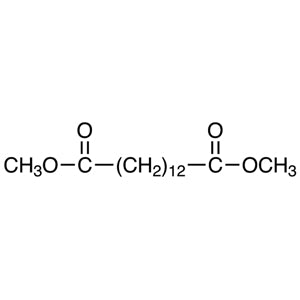
DimethylTetradecanedioate TCI T1726
Regular price From Rp 2.411.850,00Regular price -
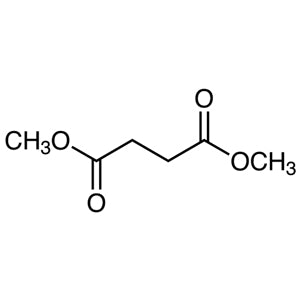
DimethylSuccinate TCI S0104
Regular price From Rp 477.750,00Regular price -
DimethylPhthalate TCI P0302
Regular price From Rp 505.050,00Regular price -
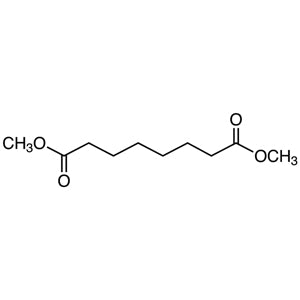
DimethylSuberate TCI O0183
Regular price From Rp 2.571.450,00Regular price -
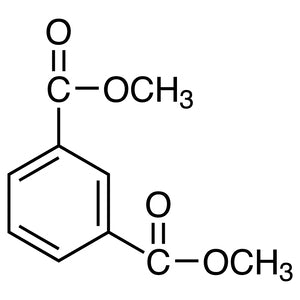
DimethylIsophthalate TCI I0157
Regular price From Rp 452.550,00Regular price -
DimethylIcosanedioate TCI E0330
Regular price From Rp 2.969.400,00Regular price