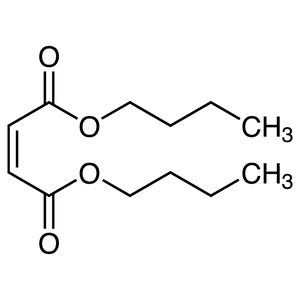
Dibutyl maleate is a chemical compound widely used in various laboratory reactions. As a building block, it plays a crucial role in the synthesis of organic compounds, particularly in addition and polymerization reactions. Its molecular structure enables high reactivity towards different reagents, making it an essential component in the creation of complex chemical structures. This compound is commonly found in research settings where the development of new materials and organic compounds is required.
Dibutyl maleate is valued for its chemical stability and reactivity, as well as its ability to form bonds with various functional groups. These characteristics make it a preferred choice for chemists working on intricate synthetic pathways. The compound also exhibits relatively high melting and boiling points, which facilitate heating and cooling processes in laboratory environments. These properties ensure reliable performance in a range of experimental conditions.
In Indonesian laboratories, Dibutyl maleate is frequently used in chemical research that requires precise temperature control. Its versatility and reactivity make it suitable for a wide array of experiments, from basic organic synthesis to advanced material development. It is a fundamental reagent in both academic and industrial research settings, supporting innovation and discovery in the field of chemistry.
TCI brochures (PDF)
- Polymer Additives 2026-04-16 · p. 3
- Organic synthesis: Dibutyl maleate is ideal for creating complex organic molecules due to its reactivity and versatility in chemical reactions.
- Polymerization reactions: The compound is commonly used in polymer synthesis because of its ability to participate in chain reactions and form stable structures.
- Material development: It is a key component in the creation of new materials, offering the potential for functional group modification and structural diversity.
- Pharmaceutical research: Dibutyl maleate is used in the development of new drugs, as it can be modified to form various active pharmaceutical ingredients.
- Analytical chemistry: Its chemical stability and reactivity make it useful in analytical procedures requiring controlled chemical environments.
| Brand | TCI |
|---|---|
| CAS number | 105-76-0 |
| Molecular formula | — |
| Purity | — |
| Category | Chemistry > Building Blocks > Non-Heterocyclic Building Blocks |
| Pack sizes | Available in various quantities as per standard laboratory supply |
| Physical form | Liquid |
| Storage | Store in a cool, dry place away from direct sunlight |
Dibutyl maleate should be stored in a cool, dry place, away from direct sunlight and sources of heat. It is recommended to use airtight containers to prevent exposure to moisture and air, which may affect its chemical stability. Due to its reactivity, it should be handled in a well-ventilated area to minimize inhalation risks. Avoid contact with skin and eyes, and use appropriate personal protective equipment when handling. Proper storage ensures the compound remains effective for use in laboratory applications. Always follow standard safety protocols to maintain a safe working environment.
—
Produk Terkait
-
DibutylSebacate TCI S0023
Regular price From Rp 530.250,00Regular priceRp 386.400,00Sale price From Rp 530.250,00 -
DibutylPhthalate TCI P0292
Regular price From Rp 477.750,00Regular priceRp 333.900,00Sale price From Rp 477.750,00 -
DimethylMaleate TCI M0012
Regular price From Rp 557.550,00Regular priceRp 405.300,00Sale price From Rp 557.550,00 -
DiethylMaleate TCI M0010
Regular price From Rp 557.550,00Regular priceRp 405.300,00Sale price From Rp 557.550,00 -
DibutylAdipate TCI A0655
Regular price From Rp 557.550,00Regular priceRp 389.550,00Sale price From Rp 557.550,00 -
DibutylSuccinate TCI S0102
Regular price Rp 1.087.800,00Regular priceRp 775.950,00Sale price Rp 1.087.800,00 -
DibutylOxalate TCI O0077
Regular price From Rp 584.850,00Regular priceRp 408.450,00Sale price From Rp 584.850,00 -
DibutylMalonate TCI M0540
Regular price From Rp 2.411.850,00Regular priceRp 1.702.050,00Sale price From Rp 2.411.850,00