Dibutyl sebacate is a chemical compound widely used in laboratory settings, particularly in organic chemistry and chemical formulation applications. As a non-heterocyclic building block, it plays a crucial role in the synthesis of complex compounds and serves as a versatile solvent or auxiliary material. Its chemical properties make it an essential component in various laboratory procedures, supporting both research and industrial applications. This compound is commonly found in chemical laboratories where precision and reliability are key to successful experimentation.
Dibutyl sebacate is known for its non-polar nature and excellent solubility in organic solvents such as ethers, benzene, and chloroform. These properties make it a preferred choice for dissolving a wide range of substances and facilitating chemical reactions. Its chemical stability ensures that it remains inert under most laboratory conditions, reducing the risk of unwanted side reactions. This stability is particularly valuable in environments where prolonged chemical interactions are required. Additionally, its low reactivity with common chemicals enhances its safety profile in laboratory settings.
In Indonesian laboratories, dibutyl sebacate is frequently used in chemical research, including the development of new chemical materials and formulation processes. It is a key component in the preparation of various chemical products and is often employed in analytical and synthetic procedures. Its reliability and consistent performance make it a trusted material for scientists and researchers working in diverse chemical disciplines.
TCI brochures (PDF)
- Polymer Additives 2026-04-16 · p. 3
- Organic synthesis applications benefit from dibutyl sebacate's non-polar properties, allowing it to dissolve a wide range of organic compounds and facilitate reaction processes.
- It is widely used in chemical formulation processes due to its solubility in organic solvents, making it ideal for creating stable and homogeneous mixtures.
- In analytical chemistry, dibutyl sebacate serves as a solvent for isolating and separating chemical components, aiding in the purification of target compounds.
- It is commonly employed in polymer science for its ability to act as a plasticizer, enhancing the flexibility and durability of polymer materials.
- In environmental testing, dibutyl sebacate is used to extract and analyze organic pollutants from complex matrices, ensuring accurate and reliable results.
| Brand | TCI |
|---|---|
| CAS number | 109-43-3 |
| Molecular formula | — |
| Purity | — |
| Category | Chemistry > Building Blocks > Non-Heterocyclic Building Blocks |
| Pack sizes | Available in various quantities as per standard laboratory supply |
| Physical form | Liquid |
| Storage | Store in a cool, dry place away from direct sunlight and incompatible materials |
Dibutyl sebacate should be stored in a cool, dry environment, away from direct sunlight and sources of heat. It is recommended to keep the material in a sealed container to prevent evaporation and contamination. The container should be made of a material compatible with organic solvents, such as glass or high-density polyethylene. Due to its non-polar nature, it should be stored separately from reactive or incompatible substances. In laboratory settings, proper ventilation is essential to ensure safe handling. Always use appropriate personal protective equipment, such as gloves and safety goggles, when working with this compound. Regular inspection of storage conditions is advised to maintain the integrity and safety of the material.
—
Produk Terkait
-
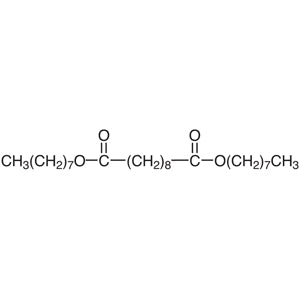
Di-n-octylSebacate TCI S0028
Regular price Rp 3.553.000,00Regular priceRp 2.433.000,00Sale price Rp 3.553.000,00 -
DibutylPhthalate TCI P0292
Regular price From Rp 468.000,00Regular priceRp 318.000,00Sale price From Rp 468.000,00 -
DibutylMaleate TCI M0009
Regular price From Rp 518.000,00Regular priceRp 368.000,00Sale price From Rp 518.000,00 -
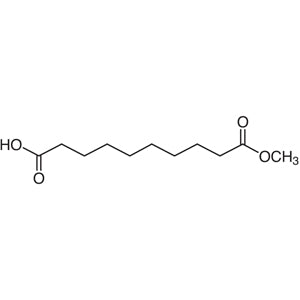
MonomethylSebacate TCI S0395
Regular price From Rp 3.527.000,00Regular priceRp 2.415.000,00Sale price From Rp 3.527.000,00 -
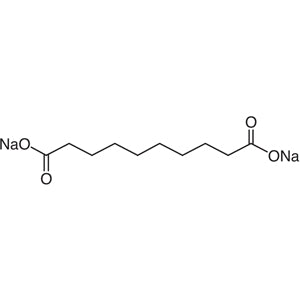
DisodiumSebacate TCI S0270
Regular price From Rp 881.000,00Regular priceRp 615.000,00Sale price From Rp 881.000,00 -
DibenzylSebacate TCI S0147
Regular price From Rp 1.219.000,00Regular priceRp 845.000,00Sale price From Rp 1.219.000,00 -
DimethylSebacate TCI S0027
Regular price From Rp 518.000,00Regular priceRp 368.000,00Sale price From Rp 518.000,00 -
Bis(2-ethylhexyl)Sebacate TCI S0025
Regular price From Rp 544.000,00Regular priceRp 386.000,00Sale price From Rp 544.000,00