Dimethyl Sebacate (DMSe), with CAS number 106-79-6, is a versatile chemical compound widely used in both scientific and industrial applications. As a polymer additive, DMSe plays a crucial role in modifying the properties of materials, enhancing flexibility, weather resistance, and thermal stability. Its application spans across various fields, including composite materials, coatings, and plastics that require specific performance characteristics. In laboratory settings, DMSe is essential for polymer property testing, material development, and research in material science.
DMSe is preferred due to its stable chemical structure and non-reactive nature, making it suitable for a wide range of laboratory conditions. It does not easily degrade under normal circumstances, which simplifies storage and handling. Additionally, DMSe has well-defined melting and boiling points, facilitating precise temperature control during experiments. These consistent physical and chemical properties ensure reliable results in scientific studies, making it a trusted choice for researchers.
In Indonesian laboratories, DMSe is commonly used in material science research, particularly in polymer technology and material innovation. It supports the development of new materials with enhanced performance and durability. Its reliability and consistency make it an essential component in both academic and industrial research settings in Indonesia.
TCI brochures (PDF)
- Polymer Additives 2026-04-16 · p. 3
- Polymer Property Testing: DMSe is used to assess the flexibility and thermal stability of polymer materials, aiding in the development of advanced composite materials.
- Material Development: It serves as an additive to improve the performance of plastics and coatings, enabling the creation of materials with specific mechanical and chemical properties.
- Coating Formulation: DMSe is incorporated into coating formulations to enhance adhesion, durability, and resistance to environmental factors such as UV light and moisture.
- Thermal Stability Research: Its stable chemical structure makes it ideal for experiments involving thermal analysis and material behavior under varying temperature conditions.
- Composite Material Innovation: It is used in the development of new composite materials, contributing to improved mechanical properties and long-term stability.
| Brand | TCI |
|---|---|
| CAS number | 106-79-6 |
| Molecular formula | — |
| Purity | — |
| Category | Materials Science > Polymer/Macromolecule Reagents > Polymer Additives |
| Pack sizes | Available in various quantities as per standard laboratory supply |
| Physical form | Solid or liquid, depending on the specific product variant |
| Storage | Store in a cool, dry place away from direct sunlight and moisture |
DMSe should be stored in a cool, dry environment, away from direct sunlight and moisture to maintain its chemical stability. It is recommended to use sealed containers made of materials that are chemically inert to prevent any unwanted reactions. Proper ventilation is essential when handling DMSe to ensure safe working conditions. Avoid exposure to high temperatures or open flames to prevent any potential hazards. Regular inspection of storage containers is advised to ensure integrity and prevent contamination. Due to its non-reactive nature, DMSe is generally safe to handle with standard laboratory precautions, making it a reliable choice for routine use in research settings.
—
Produk Terkait
-
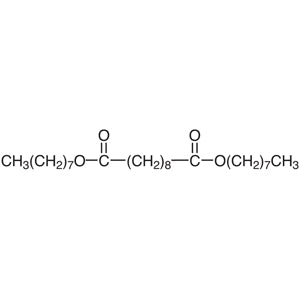
Di-n-octylSebacate TCI S0028
Regular price Rp 3.630.900,00Regular priceRp 2.554.650,00Sale price Rp 3.630.900,00 -
Bis(2-ethylhexyl)Sebacate TCI S0025
Regular price From Rp 557.550,00Regular priceRp 405.300,00Sale price From Rp 557.550,00 -
DiethylSebacate TCI S0024
Regular price From Rp 557.550,00Regular priceRp 405.300,00Sale price From Rp 557.550,00 -
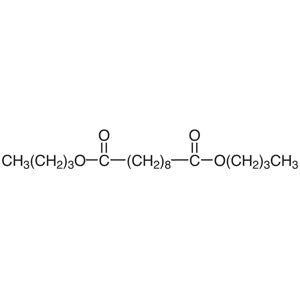
DibutylSebacate TCI S0023
Regular price From Rp 530.250,00Regular priceRp 386.400,00Sale price From Rp 530.250,00 -
DimethylAdipate TCI A0166
Regular price From Rp 505.050,00Regular priceRp 352.800,00Sale price From Rp 505.050,00 -
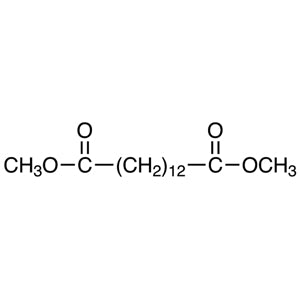
DimethylTetradecanedioate TCI T1726
Regular price From Rp 2.464.350,00Regular priceRp 1.738.800,00Sale price From Rp 2.464.350,00 -
DimethylAzelate TCI A1308
Regular price Rp 2.147.250,00Regular priceRp 1.517.250,00Sale price Rp 2.147.250,00 -
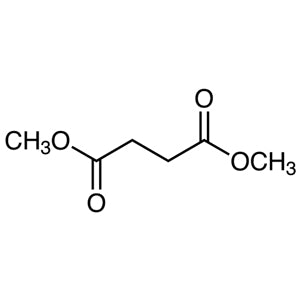
DimethylSuccinate TCI S0104
Regular price From Rp 530.250,00Regular priceRp 386.400,00Sale price From Rp 530.250,00