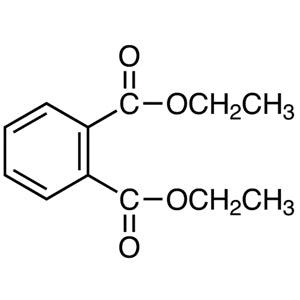
Diethyl Sebacate (DES), with the CAS number 110-40-7, is a versatile chemical compound widely used in materials science and polymer chemistry. It serves as a solvent, coating agent, and additive in polymer formulation processes. In the laboratory, DES plays a crucial role in enhancing the mechanical properties and thermal stability of various polymer materials. Its ability to modify and improve the performance of polymers makes it an essential component in advanced material research. DES is particularly valued for its compatibility with a wide range of polymer systems, enabling researchers to develop more durable and functional materials.
One of the key reasons for its popularity is its chemical stability, non-flammable nature, and high boiling point, which ensure safe handling in laboratory environments. These properties make it suitable for use in high-temperature applications without degradation. Additionally, DES exhibits excellent solubility in many polymer matrices, making it ideal for coating and modification processes. Its non-toxic and odorless characteristics further contribute to its appeal, as they reduce health and safety risks during experimental work.
In Indonesian laboratories, DES is commonly utilized in material research, polymer chemistry, and packaging industry applications. It is an important tool for developing new products and improving the quality of raw materials. Its role in enhancing the performance of polymer-based materials makes it a preferred choice for both academic and industrial research settings. The compound's reliability and effectiveness have solidified its place in the laboratory toolkit of Indonesian scientists and engineers.
- Diethyl Sebacate is widely used in polymer modification to enhance the mechanical and thermal properties of synthetic polymers.
- It serves as a coating agent in the production of films and composite materials due to its excellent solubility and compatibility with various polymer systems.
- DES is employed in the development of packaging materials that require resistance to environmental factors such as moisture and UV exposure.
- It is used in the formulation of adhesives and sealants where high stability and chemical resistance are essential.
- DES is also applied in the synthesis of specialty polymers, where its ability to modify polymer structures is crucial for achieving desired material properties.
| Brand | TCI |
|---|---|
| CAS number | 110-40-7 |
| Molecular formula | — |
| Purity | — |
| Category | Materials Science > Polymer/Macromolecule Reagents > Polymer Additives |
| Pack sizes | Available in various sizes as per standard laboratory requirements |
| Physical form | Liquid |
| Storage | Store in a cool, dry place away from direct sunlight |
Diethyl Sebacate should be stored in a cool, dry place, away from direct sunlight and sources of heat. It is recommended to use sealed containers made of materials that are compatible with its chemical properties, such as glass or high-density polyethylene. Due to its non-flammable nature, it does not require special fire safety measures, but general laboratory safety protocols should still be followed. The compound is non-toxic and odorless, which minimizes health risks, but proper ventilation is advised during handling. It should be kept in a secure location to prevent accidental spills or exposure. Regular monitoring of storage conditions ensures the material remains stable and suitable for use in research applications.
—
Produk Terkait
-
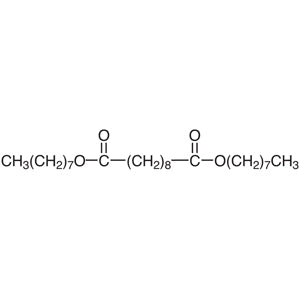
Di-n-octylSebacate TCI S0028
Regular price Rp 3.578.400,00Regular price -
DimethylSebacate TCI S0027
Regular price From Rp 477.750,00Regular price -
Bis(2-ethylhexyl)Sebacate TCI S0025
Regular price From Rp 505.050,00Regular price -
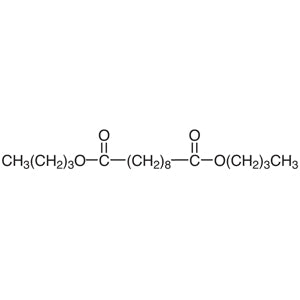
DibutylSebacate TCI S0023
Regular price From Rp 477.750,00Regular price -
DiethylAdipate TCI A0162
Regular price From Rp 452.550,00Regular price -
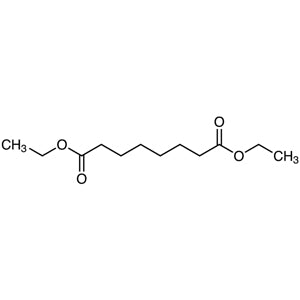
DiethylSuberate TCI S0449
Regular price Rp 2.677.500,00Regular price -
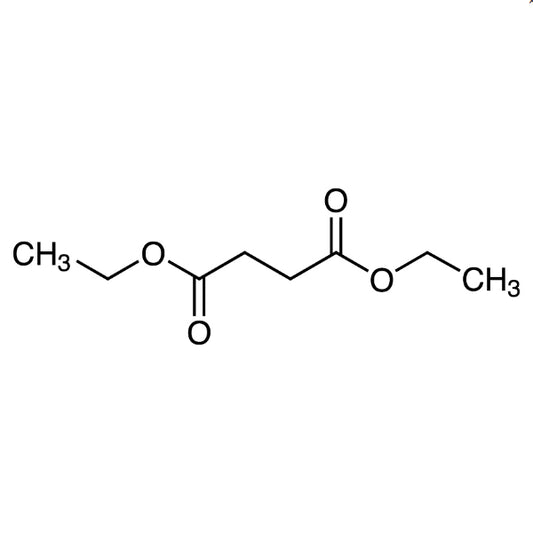
DiethylSuccinate TCI S0103
Regular price From Rp 505.050,00Regular price -
DiethylPhthalate TCI P0296
Regular price From Rp 477.750,00Regular price