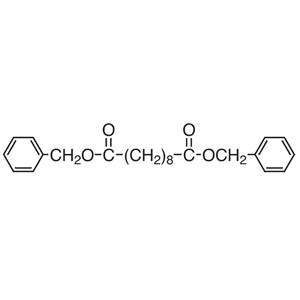
Dibenzyl sebacate (DBS) is a chemical compound widely used as a building block in various laboratory applications, particularly in organic synthesis. It serves as a key reagent in the creation of complex organic molecules, offering stability and reactivity that make it a preferred choice for researchers. Its role in the laboratory is crucial for producing compounds with specific functional groups or structural features. DBS is commonly utilized in chemical research to facilitate reactions that require controlled reactivity and molecular stability, making it an essential component in many synthetic processes.
DBS is known for its non-polar nature and solubility in organic solvents such as ethyl acetate and chloroform. These properties make it ideal for reactions that require non-polar environments, enhancing its versatility in different chemical processes. Additionally, it exhibits resistance to oxidation and non-specific chemical reactions, which helps maintain the integrity of the compound over time. This resistance contributes to its long shelf life and ensures the quality of the final products derived from its use. The combination of stability and reactivity makes DBS a reliable material for laboratory applications.
In Indonesian laboratories, DBS is frequently used in chemical research, especially in the synthesis of organic compounds and the development of new chemical materials. It is a preferred choice for laboratories that require stable and reactive building blocks for their experiments. Its availability and consistent performance make it a staple in both academic and industrial research settings in Indonesia.
- Organic synthesis of complex molecules requiring controlled reactivity and stability.
- Development of new chemical materials with specific functional groups or properties.
- Preparation of compounds for pharmaceutical and industrial applications.
- Research in polymer chemistry and material science for creating durable and stable products.
- Testing of chemical reactions under non-polar solvent conditions for enhanced reaction efficiency.
| Brand | TCI |
|---|---|
| CAS number | 140-24-9 |
| Molecular formula | — |
| Purity | — |
| Category | Chemistry > Building Blocks > Non-Heterocyclic Building Blocks |
| Pack sizes | Available in various quantities as per standard laboratory requirements |
| Physical form | Solid |
| Storage | Store in a cool, dry place away from light and moisture |
Dibenzyl sebacate should be stored in a cool, dry place away from direct light and moisture to maintain its stability and prevent degradation. It is recommended to use airtight containers made of glass or polyethylene to ensure protection from environmental factors. Due to its non-polar nature, it should be handled with care to avoid contamination. In a laboratory setting, it is important to use appropriate personal protective equipment such as gloves and safety goggles when handling the compound. Proper ventilation should be maintained to ensure safe working conditions. Regular inspection of storage containers is advised to ensure the integrity of the material is preserved.
—
Produk Terkait
-
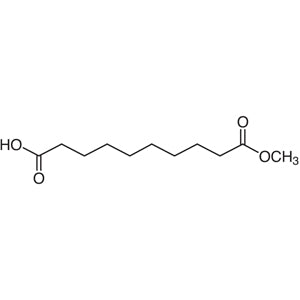
MonomethylSebacate TCI S0395
Regular price From Rp 3.551.100,00Regular price -
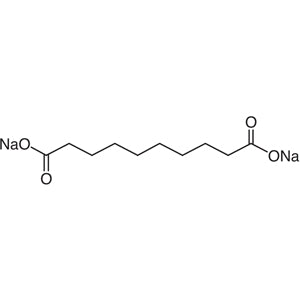
DisodiumSebacate TCI S0270
Regular price From Rp 848.400,00Regular price -
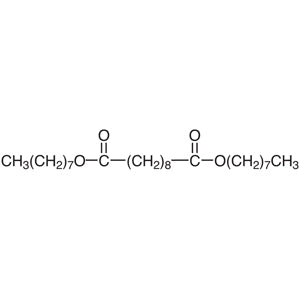
Di-n-octylSebacate TCI S0028
Regular price Rp 3.578.400,00Regular price -
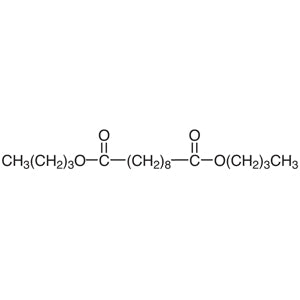
DibutylSebacate TCI S0023
Regular price From Rp 477.750,00Regular price -
DibenzylAdipate TCI A0618
Regular price Rp 5.460.000,00Regular price -
DibenzylMalonate TCI M1080
Regular price From Rp 1.644.300,00Regular price -
DibenzylOxalate TCI D6617
Regular price From Rp 1.378.650,00Regular price -
4-Dibenzyl1-NaphthylKetone TCI D2277
Regular price Rp 1.510.950,00Regular price