4-Dibenzyl 1-Naphthyl Ketone is a chemical compound widely used in organic reactions for the synthesis of complex molecules. This compound plays a crucial role in laboratory settings where the creation of intricate chemical structures is required. Its unique molecular structure, consisting of a naphthyl ring linked to a ketone group, along with two benzyl rings on either side, makes it a versatile building block in synthetic chemistry. Due to its structural complexity and functional groups, it is frequently employed in the development of heterocyclic compounds and other organic substances that demand high reactivity.
The compound is valued for its stable chemical structure and controlled reactivity, making it a preferred choice for a variety of chemical experiments. Its ability to participate in multiple reaction types, such as substitution and condensation reactions, enhances its utility in synthetic pathways. Additionally, its compatibility with various reagents, including alkalis, acids, and transition metals, allows for its use under diverse reaction conditions. This adaptability ensures that it remains a reliable and effective reagent in both routine and advanced laboratory applications.
In Indonesian laboratories, 4-Dibenzyl 1-Naphthyl Ketone is commonly used in research focused on organic synthesis and chemical innovation. It is a key component in experiments aimed at developing new compounds with specific functional properties. Its presence in both academic and industrial research settings highlights its importance in advancing chemical knowledge and practical applications within the scientific community.
- Organic synthesis reactions benefit from this compound's ability to form complex molecular structures through controlled chemical transformations.
- It is ideal for substitution reactions due to its stable ketone group and reactive benzyl substituents, enabling selective chemical modifications.
- Condensation reactions often utilize this compound as a building block, facilitating the formation of new carbon-carbon bonds in synthetic pathways.
- Its use in heterocyclic compound synthesis is widespread, as it provides a versatile platform for creating ring structures with high reactivity.
- It is frequently employed in research involving transition metal catalysis, where its structural features support diverse reaction mechanisms.
| Brand | TCI |
|---|---|
| CAS number | 158098-50-1 |
| Molecular formula | — |
| Purity | — |
| Category | Chemistry > Building Blocks > Non-Heterocyclic Building Blocks |
| Pack sizes | Available in various quantities as per standard chemical supply practices |
| Physical form | Solid, typically in crystalline or powder form |
| Storage | Store in a cool, dry place away from direct sunlight and moisture |
This compound should be stored in a cool, dry environment to maintain its chemical integrity and prevent degradation. It is recommended to use airtight containers to protect it from moisture and air exposure. Due to its potential reactivity with certain substances, it should be handled in a well-ventilated laboratory area. Avoid direct contact with skin and eyes, and use appropriate personal protective equipment when handling. It is advisable to store it away from incompatible materials such as strong acids or bases. Regular inspection of storage conditions ensures the compound remains suitable for use in laboratory applications.
—
Produk Terkait
-
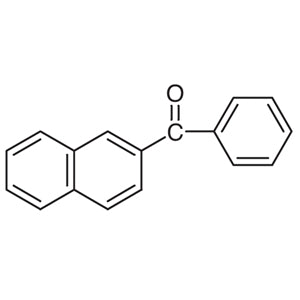
2-NaphthylPhenylKetone TCI B0301
Regular price From Rp 6.996.150,00Regular price -
DibenzylAdipate TCI A0618
Regular price Rp 5.460.000,00Regular price -
DibenzylSebacate TCI S0147
Regular price From Rp 1.193.850,00Regular price -
DibenzylMalonate TCI M1080
Regular price From Rp 1.644.300,00Regular price -
DibenzylOxalate TCI D6617
Regular price From Rp 1.378.650,00Regular price -
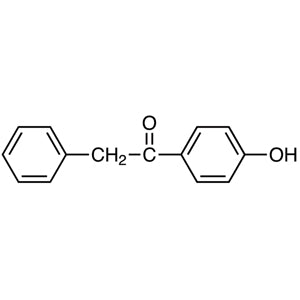
Benzyl4-HydroxyphenylKetone TCI B4722
Regular price From Rp 1.035.300,00Regular price -
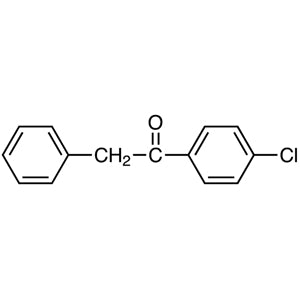
Benzyl4-ChlorophenylKetone TCI B4704
Regular price From Rp 848.400,00Regular price -
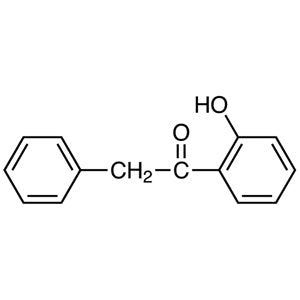
Benzyl2-HydroxyphenylKetone TCI B4673
Regular price From Rp 2.094.750,00Regular price