Dibutyl malonate is a chemical compound widely used in organic synthesis as a building block for the creation of complex molecules. It serves as a foundational component in chemical reactions, enabling the development of more intricate structures. This compound is particularly valued in laboratory settings for its versatility and reactivity, making it a key player in various synthetic pathways. Its role as a precursor in the synthesis of heterocyclic compounds and other carbon-based structures underscores its importance in chemical research.
Dibutyl malonate is known for its stable chemical properties and its ability to react with a wide range of reagents, making it a preferred choice for chemists. Its simple molecular structure offers flexibility, allowing it to participate in multiple types of reactions such as alkylation, esterification, and substitution. The non-heterocyclic nature of this compound makes it ideal for applications requiring pure carbon structures. Additionally, its relatively stable boiling and melting points facilitate ease of handling and storage in laboratory environments.
In Indonesian laboratories, dibutyl malonate is commonly used in organic chemistry research, particularly in the development of new compounds and the study of reaction mechanisms. Its availability and reliability make it a go-to compound for researchers working on synthetic chemistry projects. The compound's consistent performance and predictable behavior contribute to its popularity among scientists in the region.
- Organic synthesis applications benefit from dibutyl malonate due to its reactivity and role as a building block for complex molecule creation.
- It is ideal for alkylation reactions because of its ability to undergo substitution and form new carbon-carbon bonds efficiently.
- Esterification processes often utilize dibutyl malonate as a starting material due to its stability and compatibility with ester-forming reagents.
- In heterocyclic compound synthesis, dibutyl malonate serves as a precursor for creating ring structures with specific carbon frameworks.
- It is frequently used in research involving carbon-based structures where purity and structural simplicity are essential.
| Brand | TCI |
|---|---|
| CAS number | 1190-39-2 |
| Molecular formula | — |
| Purity | — |
| Category | Chemistry > Building Blocks > Non-Heterocyclic Building Blocks |
| Pack sizes | Available in various quantities as per standard laboratory supply formats |
| Physical form | Liquid |
| Storage | Store in a cool, dry place away from direct sunlight and incompatible materials |
Dibutyl malonate should be stored in a cool, dry environment to maintain its chemical stability. It is recommended to keep the compound in a sealed container to prevent exposure to air and moisture. Suitable containers include glass or polyethylene bottles that are resistant to chemical degradation. Due to its reactivity, it should be stored away from strong oxidizing agents and incompatible substances. Proper labeling of storage containers is essential for safety and identification. General laboratory precautions include using appropriate personal protective equipment when handling the compound and ensuring proper ventilation in the workspace.
—
Produk Terkait
-
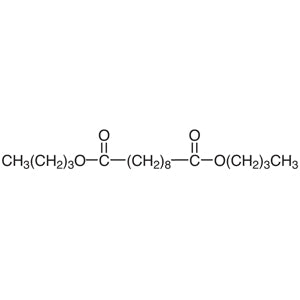
DibutylSebacate TCI S0023
Regular price From Rp 477.750,00Regular price -
DibutylPhthalate TCI P0292
Regular price From Rp 477.750,00Regular price -
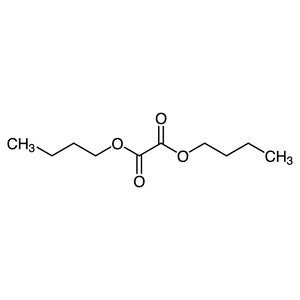
DibutylOxalate TCI O0077
Regular price From Rp 584.850,00Regular price -
DibutylDL-Malate TCI M0023
Regular price Rp 1.829.100,00Regular price -
DibutylMaleate TCI M0009
Regular price From Rp 477.750,00Regular price -
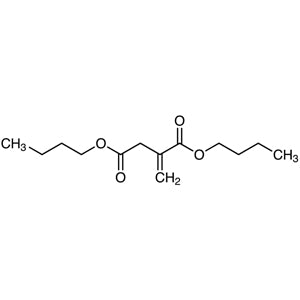
DibutylItaconate(stabilizedwithHQ) TCI I0201
Regular price From Rp 584.850,00Regular price -
DibutylTerephthalate TCI D6074
Regular price Rp 2.227.050,00Regular price -
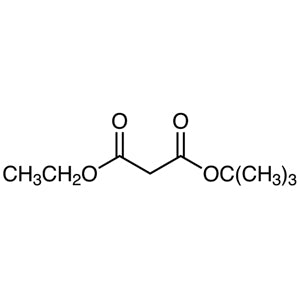
tert-ButylEthylMalonate TCI B3720
Regular price From Rp 928.200,00Regular price