


Bis(2-ethylhexyl) Azelate is a chemical compound widely used in laboratory settings as a building block for various chemical reactions. It belongs to the category of non-heterocyclic building blocks, which are fundamental components in the synthesis of more complex molecules. This compound is valued for its simplicity and versatility, making it an essential tool for researchers in organic chemistry. Its role in the laboratory extends beyond being a reagent; it can also function as a solvent or a reaction assistant, depending on the specific experimental needs.
The compound is preferred due to its stable chemical properties and non-polar nature. These characteristics make it suitable for dissolving organic compounds that are not soluble in water. Its high boiling point allows it to be used in distillation or evaporation processes without undergoing significant decomposition. Additionally, its inertness towards other chemicals ensures that it does not interfere with the intended reactions, providing reliable and consistent results. This stability is crucial in maintaining the integrity of experimental outcomes.
In Indonesian laboratories, Bis(2-ethylhexyl) Azelate is commonly used in organic chemistry research. It is particularly favored for its ability to dissolve a wide range of organic substances, making it an essential component in synthetic processes. Its non-polar nature aligns well with the requirements of many organic reactions, and its stability ensures that it remains a trusted material for both academic and industrial research applications.
TCI brochures (PDF)
- Polymer Additives 2026-04-16 · p. 3
- Organic synthesis reactions benefit from Bis(2-ethylhexyl) Azelate due to its non-polar nature and stability, allowing it to act as a solvent or reaction medium without interfering with the desired chemical transformations.
- It is ideal for dissolving hydrophobic organic compounds, making it a preferred choice in experiments where water-insoluble substances need to be solubilized.
- In distillation processes, its high boiling point enables it to be used as a solvent that can withstand elevated temperatures without evaporating prematurely.
- As a reaction assistant, it helps in maintaining the required reaction conditions without participating in the chemical reaction itself, ensuring the accuracy of the results.
- It is commonly used in research involving the preparation of complex organic molecules, where its inertness and solubility properties support the synthesis of various compounds.
| Brand | TCI |
|---|---|
| CAS number | 103-24-2 |
| Molecular formula | — |
| Purity | — |
| Category | Chemistry > Building Blocks > Non-Heterocyclic Building Blocks |
| Pack sizes | Available in various quantities as per standard laboratory supply |
| Physical form | Liquid |
| Storage | Store in a cool, dry place away from direct sunlight and incompatible materials |
Bis(2-ethylhexyl) Azelate should be stored in a cool, dry environment to maintain its chemical stability. It is recommended to keep it in a sealed container to prevent evaporation and contamination. Due to its non-polar nature, it is best stored in glass or polyethylene containers that are resistant to chemical degradation. Avoid exposure to heat and direct sunlight, as these can affect its physical properties. In a laboratory setting, it is important to handle the compound with appropriate safety measures, such as using gloves and ensuring proper ventilation. Regular monitoring of storage conditions is advised to ensure the compound remains in optimal condition for use.
—
Produk Terkait
-
Bis(2-ethylhexyl)Azelate TCI A0653
Regular price From Rp 530.250,00Regular priceRp 386.400,00Sale price From Rp 530.250,00 -
Bis(2-ethylhexyl)Adipate TCI A0163
Regular price Rp 452.550,00Regular priceRp 316.050,00Sale price Rp 452.550,00 -
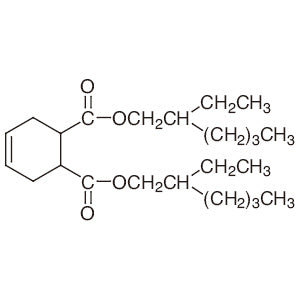
Bis(2-ethylhexyl)4-Cyclohexene-1,2-dicarboxylate TCI T0605
Regular price From Rp 477.750,00Regular priceRp 333.900,00Sale price From Rp 477.750,00 -
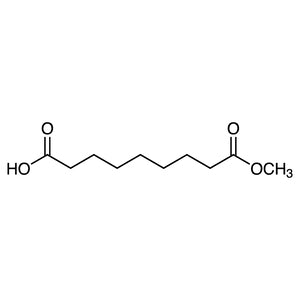
MonomethylAzelate TCI A1312
Regular price From Rp 1.167.600,00Regular priceRp 831.600,00Sale price From Rp 1.167.600,00 -
DimethylAzelate TCI A1308
Regular price Rp 2.147.250,00Regular priceRp 1.517.250,00Sale price Rp 2.147.250,00 -
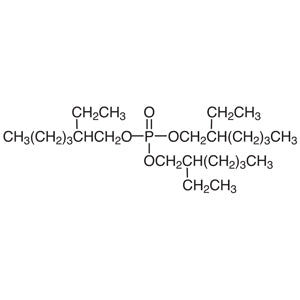
Tris(2-ethylhexyl)Phosphate TCI P1022
Regular price From Rp 530.250,00Regular priceRp 386.400,00Sale price From Rp 530.250,00 -
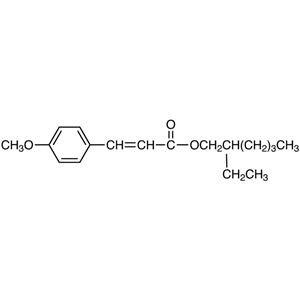
2-Ethylhexyl4-Methoxycinnamate TCI M1082
Regular price From Rp 1.113.000,00Regular priceRp 793.800,00Sale price From Rp 1.113.000,00 -
[4-[(2-Ethylhexyl)oxy]-2-hydroxyphenyl](phenyl)methanone TCI E1619
Regular price From Rp 1.961.400,00Regular priceRp 1.387.050,00Sale price From Rp 1.961.400,00






![TCI E1619 2549-90-8 [4-[(2-Ethylhexyl)oxy]-2-hydroxyphenyl](phenyl)methanone](http://amiscientific.com/cdn/shop/files/TCI2510E1619_1f5b77d2-cbe0-48e2-a57f-1f00b93c9a42.jpg?v=1792641994&width=533)
![[4-[(2-Ethylhexyl)oxy]-2-hydroxyphenyl](phenyl)methanone (CAS 2549-90-8) - TCI E1619 - AMI Scientific](http://amiscientific.com/cdn/shop/files/TCI2510E1619.jpg?v=1767113127&width=533)