2,4-Bis[8-hydroxy-1,1,7,7-tetramethyljulolidin-9-yl]squaraine is an organic compound widely used in organic photovoltaic (OPV) research. This material serves as an active component in the active layer of solar cells, where it absorbs light and generates electrical current. Its role in the laboratory is critical for advancing the development of renewable energy technologies. As a key ingredient in OPV materials, it enables the conversion of sunlight into usable electricity with high efficiency.
The compound's molecular structure allows it to absorb light in specific wavelength ranges, making it highly effective for photovoltaic applications. Its chemical and physical stability ensures consistent performance during synthesis and characterization processes. This reliability makes it a preferred choice for researchers aiming to improve the efficiency and sustainability of solar energy solutions. Additionally, its compatibility with various laboratory techniques supports its use in both academic and industrial settings.
In Indonesian laboratories, this compound is commonly used in scientific research and educational institutions. It plays a vital role in the development of clean energy solutions, supporting projects focused on renewable energy innovation. Many research centers and universities incorporate this material into their studies to enhance the availability and sustainability of energy sources. Its application is central to the advancement of organic solar cell technology in the region.
TCI brochures (PDF)
- Solar Cell Materials 2026-04-21 · p. 11
Related TCI products
- TCI B4342 68842-66-0 2,4-Bis[4-(diethylamino)-2-hydroxyphenyl]squaraine
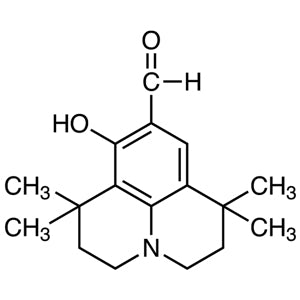
- TCI H1315 115662-09-4 8-Hydroxy-1,1,7,7-tetramethyljulolidine-9-carboxaldehyde
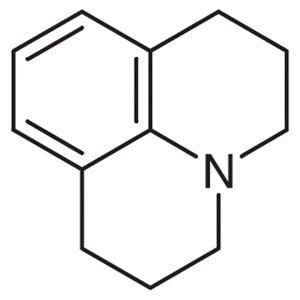
- TCI J0007 479-59-4 Julolidine
- TCI Z0037 14320-04-8 Zinc Phthalocyanine (purified by sublimation)
- TCI T3337 1092356-36-9 Tris[4'-(2-thienyl)-4-biphenylyl]amine
- TCI T3328 803727-09-5 Tris[4-(5-phenylthiophen-2-yl)phenyl]amine
- Organic Photovoltaic Material Development: This compound is ideal for creating high-efficiency OPV materials due to its light absorption properties and stability.
- Energy Conversion Research: It is used to study the efficiency of energy conversion processes in solar cells, aiding in the optimization of photovoltaic performance.
- Material Characterization Studies: Its well-defined molecular structure allows for detailed analysis using various analytical techniques in the lab.
- Renewable Energy Innovation Projects: It supports the development of sustainable energy solutions by providing a reliable active material for solar cell prototypes.
- Educational Research Programs: It is commonly used in academic settings to teach and research the fundamentals of organic electronics and photovoltaic technology.
| Brand | TCI |
|---|---|
| CAS number | 358727-55-6 |
| Molecular formula | — |
| Purity | — |
| Category | Materials Science > Electronic Materials > Organic Solar Cell (OPV) Materials |
| Pack sizes | — |
| Physical form | — |
| Storage | Store in a cool, dry place away from light and moisture |
This compound should be stored in a cool, dry environment, away from direct light and moisture to maintain its chemical integrity. It is recommended to use airtight containers to prevent exposure to air and humidity, which could affect its performance. Due to its organic nature, it should be handled with care to avoid contamination. Proper ventilation is essential when working with this material to ensure a safe laboratory environment. Always wear appropriate personal protective equipment, such as gloves and safety goggles, when handling or storing this compound. Regular monitoring of storage conditions is advised to ensure the material remains stable and suitable for research applications.
—
Produk Terkait
-
2,4-Bis[4-(diethylamino)-2-hydroxyphenyl]squaraine TCI B4342
Regular price From Rp 3.419.850,00Regular priceRp 2.406.600,00Sale price From Rp 3.419.850,00 -
8-Hydroxy-1,1,7,7-tetramethyljulolidine-9-carboxaldehyde TCI H1315
Regular price Rp 2.464.350,00Regular priceRp 1.738.800,00Sale price Rp 2.464.350,00 -
Julolidine TCI J0007
Regular price From Rp 2.013.900,00Regular priceRp 1.423.800,00Sale price From Rp 2.013.900,00 -
ZincPhthalocyanine(purifiedbysublimation) TCI Z0037
Regular price Rp 4.954.950,00Regular priceRp 3.480.750,00Sale price Rp 4.954.950,00 -
Tris[4'-(2-thienyl)-4-biphenylyl]amine TCI T3337
Regular price Rp 5.460.000,00Regular priceRp 3.833.550,00Sale price Rp 5.460.000,00 -
Tris[4-(5-phenylthiophen-2-yl)phenyl]amine TCI T3328
Regular price Rp 5.537.700,00Regular priceRp 3.888.150,00Sale price Rp 5.537.700,00 -
Tris[4-(2-thienyl)phenyl]amine TCI T3050
Regular price From Rp 4.293.450,00Regular priceRp 3.017.700,00Sale price From Rp 4.293.450,00 -
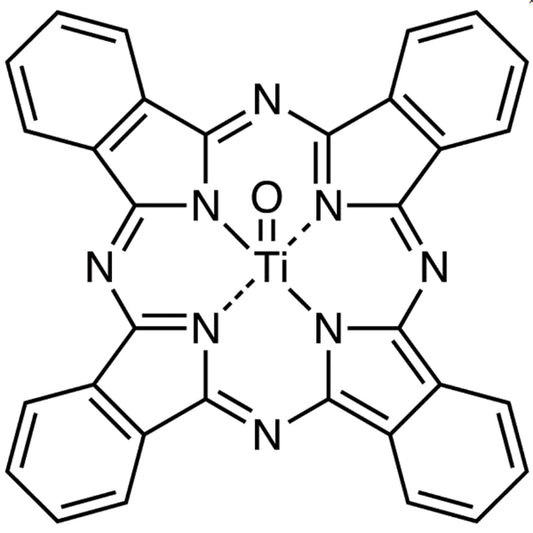
TitanylPhthalocyanine(purifiedbysublimation) TCI T2272
Regular price From Rp 2.702.700,00Regular priceRp 1.905.750,00Sale price From Rp 2.702.700,00