TCI B4332 68842-66-0 2,4-Bis[4-(diethylamino)-2-hydroxyphenyl]squaraine is an organic compound used in organic photovoltaic (OPV) research. It serves as an active material in the photoactive layer of solar cells, where it absorbs light and generates electric current. This compound is essential for the development and testing of organic solar cells, which are promising for renewable energy applications. Its molecular structure is designed to enhance light absorption efficiency in specific wavelength ranges, making it a key component in the field of optoelectronics.
The compound’s chemical properties make it a preferred choice for researchers. It exhibits good chemical stability, which ensures consistent performance over time in laboratory conditions. Its ability to efficiently generate electrons and holes contributes to the overall efficiency of OPV devices. These characteristics are critical in the development of high-performance organic solar cells, supporting the goal of sustainable energy solutions. The material’s reliability and effectiveness in laboratory settings make it a go-to option for researchers in the field.
In Indonesian laboratories, this compound is widely used in clean energy and solar cell technology research. Research institutions and universities across Indonesia incorporate it into their studies to develop environmentally friendly and sustainable energy solutions. Its availability and performance make it a valuable resource for advancing photovoltaic technology in the region.
TCI brochures (PDF)
- Solar Cell Materials 2026-04-21 · p. 11
Related TCI products
- TCI B4649 358727-55-6 2,4-Bis[8-hydroxy-1,1,7,7-tetramethyljulolidin-9-yl]squaraine
- TCI B2111 27425-55-4 3-(2-Benzimidazolyl)-7-(diethylamino)coumarin
- TCI B2088 38215-36-0 3-(2-Benzothiazolyl)-7-(diethylamino)coumarin
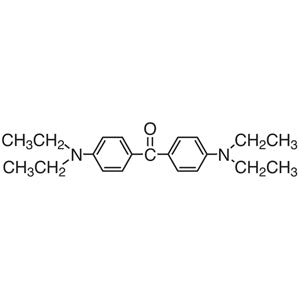
- TCI B1275 90-93-7 4,4'-Bis(diethylamino)benzophenone
- TCI B1066 1679-98-7 2,5-Bis(4-diethylaminophenyl)-1,3,4-oxadiazole
- TCI B0139 90-93-7 4,4'-Bis(diethylamino)benzophenone
- Organic Photovoltaic (OPV) Device Development: This material is ideal for creating and testing organic solar cells due to its light absorption properties and efficiency in generating charge carriers.
- Energy Research and Innovation: It supports research into renewable energy solutions by enabling the development of efficient and sustainable photovoltaic systems.
- Material Characterization Studies: Its chemical stability and known structure make it suitable for detailed analysis in material science laboratories.
- Educational and Training Programs: It is used in academic settings to teach and demonstrate the principles of organic electronics and solar cell technology.
- Prototype Testing and Optimization: Researchers use it to test and refine new solar cell designs, focusing on improving performance and durability.
| Brand | TCI |
|---|---|
| CAS number | 68842-66-0 |
| Molecular formula | — |
| Purity | — |
| Category | Materials Science > Electronic Materials > Organic Solar Cell (OPV) Materials |
| Pack sizes | Available in various quantities as per standard laboratory supply |
| Physical form | Solid (exact form may vary based on supplier packaging) |
| Storage | Store in a cool, dry place away from direct light and moisture |
This material should be stored in a cool, dry environment to maintain its chemical stability and performance. It is recommended to keep it in airtight containers to prevent exposure to moisture and air, which could degrade its properties. Proper labeling and storage in a designated chemical storage area are essential for safety and compliance. Due to its organic nature, it should be handled with care to avoid contamination or exposure. Laboratory personnel should follow standard safety protocols when working with this compound to ensure safe handling and use.
—
Produk Terkait
-
2,4-Bis[8-hydroxy-1,1,7,7-tetramethyljulolidin-9-yl]squaraine TCI B4649
Regular price From Rp 3.578.400,00Regular priceRp 2.517.900,00Sale price From Rp 3.578.400,00 -
3-(2-Benzimidazolyl)-7-(diethylamino)coumarin TCI B2111
Regular price From Rp 1.246.350,00Regular priceRp 887.250,00Sale price From Rp 1.246.350,00 -
3-(2-Benzothiazolyl)-7-(diethylamino)coumarin TCI B2088
Regular price From Rp 2.068.500,00Regular priceRp 1.461.600,00Sale price From Rp 2.068.500,00 -
4,4'-Bis(diethylamino)benzophenone TCI B1275
Regular price From Rp 530.250,00Regular priceRp 386.400,00Sale price From Rp 530.250,00 -
2,5-Bis(4-diethylaminophenyl)-1,3,4-oxadiazole TCI B1066
Regular price Rp 1.431.150,00Regular priceRp 1.016.400,00Sale price Rp 1.431.150,00 -
4,4'-Bis(diethylamino)benzophenone TCI B0139
Regular price From Rp 689.850,00Regular priceRp 497.700,00Sale price From Rp 689.850,00 -
2-Amino-5-(diethylamino)tolueneMonohydrochloride TCI A0289
Regular price Rp 2.571.450,00Regular priceRp 1.797.600,00Sale price Rp 2.571.450,00 -
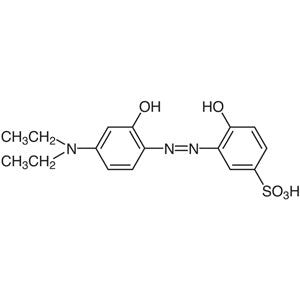
5-Sulfo-4'-diethylamino-2,2'-dihydroxyazobenzene TCI S0128
Regular price Rp 2.094.750,00Regular priceRp 1.464.750,00Sale price Rp 2.094.750,00