N-(Benzoyloxy)succinimide is a chemical compound widely used in laboratory settings for the synthesis of complex molecules. As a building block in organic chemistry, it plays a crucial role in the development of new compounds with specific structural features. This compound is particularly valuable in the creation of heterocyclic and organic molecules, where its reactivity allows for controlled chemical transformations. Its versatility makes it a key component in various synthetic pathways, supporting both research and educational applications in chemical laboratories.
The compound's stability and reactivity make it a preferred choice for chemists working on molecular modifications and functional group substitutions. Its ability to form stable intermediates under different reaction conditions enhances its utility in a wide range of chemical processes. Additionally, its compatibility with various functional groups enables the synthesis of more complex structures, making it an essential tool in synthetic organic chemistry. These properties ensure its consistent use in both academic and industrial laboratory environments.
In Indonesian laboratories, N-(Benzoyloxy)succinimide is commonly used in organic chemistry research and advanced practical courses. It is a fundamental reagent in the synthesis of new compounds, particularly in the development of heterocyclic structures. Its availability in multiple packaging options facilitates its use in both small-scale experiments and larger research projects, supporting the needs of both students and researchers in the field of chemistry.
Related TCI products
- Organic synthesis applications benefit from its reactivity and ability to form stable intermediates, making it ideal for complex molecule construction.
- Molecular modification processes rely on its capacity to interact with various functional groups, enabling targeted chemical transformations.
- Heterocyclic compound synthesis is enhanced by its role in creating essential structural frameworks for pharmaceutical and industrial applications.
- Advanced chemistry practical courses use it as a key reagent to teach synthetic techniques and molecular design principles.
- Research laboratories incorporate it into projects focused on developing new organic compounds with specific structural and functional properties.
| Brand | TCI |
|---|---|
| CAS number | 23405-15-4 |
| Molecular formula | — |
| Purity | — |
| Category | Chemistry > Building Blocks > Non-Heterocyclic Building Blocks |
| Pack sizes | Available in multiple packaging options for different experimental scales |
| Physical form | Solid |
| Storage | Store in a cool, dry place away from direct sunlight |
N-(Benzoyloxy)succinimide should be stored in a cool, dry environment to maintain its chemical stability. It is recommended to keep the compound in a sealed container to prevent moisture absorption, which could affect its reactivity. Suitable storage conditions include a controlled temperature range between 15°C and 25°C, away from sources of heat or direct sunlight. In laboratory settings, it should be handled with appropriate personal protective equipment, such as gloves and safety goggles, to ensure safe usage. Due to its chemical nature, it is important to store it separately from incompatible substances to avoid any potential reactions. Proper labeling and storage practices help maintain the integrity of the compound and ensure safe handling in all laboratory environments.
—
Produk Terkait
-
4-Benzoyloxy-2-azetidinone TCI B1391
Regular price Rp 4.636.800,00Regular priceRp 3.258.150,00Sale price Rp 4.636.800,00 -
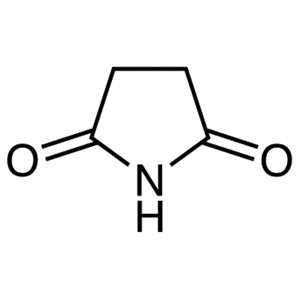
Succinimide TCI S0108
Regular price From Rp 557.550,00Regular priceRp 405.300,00Sale price From Rp 557.550,00 -
N-(2-Propynyl)succinimide TCI P2191
Regular price From Rp 2.994.600,00Regular priceRp 2.109.450,00Sale price From Rp 2.994.600,00 -
N-(Cyclopentyloxycarbonyloxy)succinimide TCI C2695
Regular price Rp 1.298.850,00Regular priceRp 924.000,00Sale price Rp 1.298.850,00 -
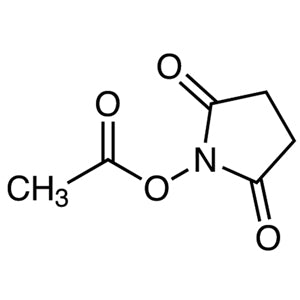
N-SuccinimidylAcetate TCI S0878
Regular price From Rp 2.147.250,00Regular priceRp 1.517.250,00Sale price From Rp 2.147.250,00 -
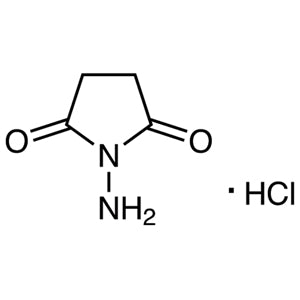
N-AminosuccinimideHydrochloride TCI A1819
Regular price From Rp 3.870.300,00Regular priceRp 2.721.600,00Sale price From Rp 3.870.300,00 -
N-Phenylsuccinimide TCI P1359
Regular price From Rp 2.227.050,00Regular priceRp 1.572.900,00Sale price From Rp 2.227.050,00 -
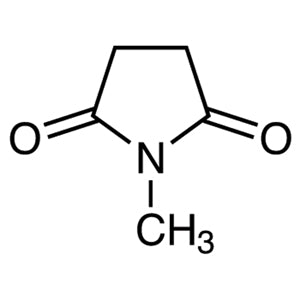
N-Methylsuccinimide TCI M2207
Regular price From Rp 2.835.000,00Regular priceRp 1.998.150,00Sale price From Rp 2.835.000,00