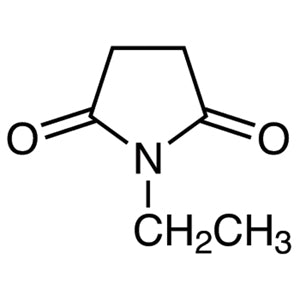
N-Phenylsuccinimide is a chemical compound widely used as a building block in various chemical reactions, particularly in the synthesis of heterocyclic compounds and their derivatives. It is commonly found in chemical laboratories as a key component in substitution and cyclic reactions. As a versatile building block, N-Phenylsuccinimide has the ability to react with a variety of functional groups, making it an essential material in the development of new chemical compounds. Its stable molecular structure allows it to participate in complex chemical reactions, contributing to the synthesis of a wide range of organic compounds.
One of the main reasons N-Phenylsuccinimide is preferred is its reactivity and adaptability in different chemical environments. It possesses a simple yet flexible molecular structure that enables it to be modified into a variety of functional derivatives. This makes it highly suitable for use in organic synthesis, where the ability to introduce specific functional groups is crucial. Its chemical stability and predictable reactivity also contribute to its reliability in laboratory settings, ensuring consistent results in synthetic processes.
In Indonesian laboratories, N-Phenylsuccinimide is frequently used in organic synthesis and molecular structure characterization studies. Its availability and effectiveness in various chemical reactions make it a popular choice among researchers. It is often selected for its ability to support the creation of compounds with specific properties, which is essential in both academic and industrial research settings.
- Organic synthesis of heterocyclic compounds due to its reactivity and ability to form stable intermediates.
- Molecular structure characterization through its participation in various analytical techniques.
- Development of functional derivatives by reacting with different functional groups in synthetic pathways.
- Research in chemical modification of organic molecules for pharmaceutical and industrial applications.
- Support for cyclic reaction mechanisms in the synthesis of complex organic compounds.
| Brand | TCI |
|---|---|
| CAS number | 83-25-0 |
| Molecular formula | — |
| Purity | — |
| Category | Chemistry > Building Blocks > Non-Heterocyclic Building Blocks |
| Pack sizes | Available in standard laboratory quantities |
| Physical form | Solid powder |
| Storage | Store in a cool, dry place away from moisture and direct sunlight |
N-Phenylsuccinimide should be stored in a cool, dry environment to maintain its chemical stability. It is recommended to keep it in a sealed container to prevent exposure to moisture and air, which could lead to degradation. The material should be stored away from direct sunlight and sources of heat to avoid any potential chemical reactions. In a laboratory setting, it is important to handle the compound with care, using appropriate personal protective equipment such as gloves and safety goggles. Proper ventilation should be maintained when working with this compound to ensure a safe working environment. Regular inspection of storage conditions is advised to ensure the integrity of the material remains unaffected.
—
Produk Terkait
-
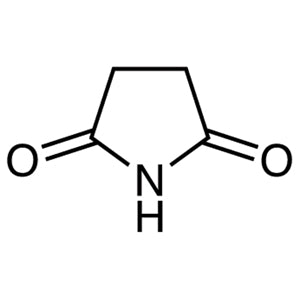
Succinimide TCI S0108
Regular price From Rp 505.050,00Regular price -
N-(2-Propynyl)succinimide TCI P2191
Regular price From Rp 2.942.100,00Regular price -
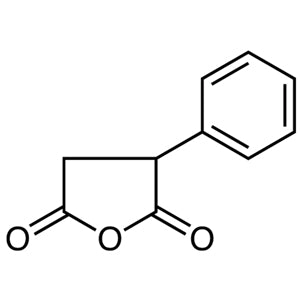
PhenylsuccinicAnhydride TCI P2257
Regular price From Rp 3.605.700,00Regular price -
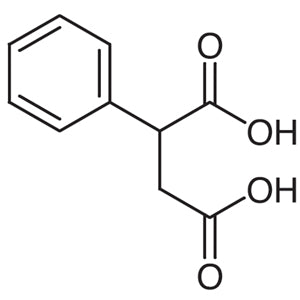
PhenylsuccinicAcid TCI P0155
Regular price From Rp 557.550,00Regular price -
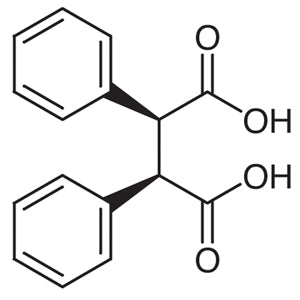
meso-2,3-DiphenylsuccinicAcid TCI D2209
Regular price From Rp 2.545.200,00Regular price -
2-Buten-1-ylsuccinicAnhydride TCI B1613
Regular price From Rp 2.439.150,00Regular price -
2-Hexen-1-ylsuccinicAnhydride(cis-andtrans-mixture) TCI H0616
Regular price Rp 4.213.650,00Regular price -
N-Ethylsuccinimide TCI E0175
Regular price Rp 2.916.900,00Regular price