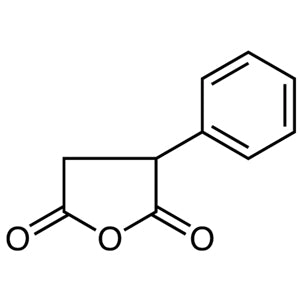
Phenylsuccinic anhydride is a chemical compound widely used as a building block in various chemical reactions, particularly in the synthesis of organic compounds. It serves as a versatile reagent due to its anhydride structure, which allows it to react with amines, alcohols, and acids. This reactivity makes it an essential component in the creation of complex molecules, such as esters, amides, and heterocyclic compounds. In laboratory settings, it is a fundamental tool for chemists working on synthetic pathways and molecular modifications. Its role is critical in both academic and industrial research, especially in the development of new compounds or the refinement of existing ones.
Phenylsuccinic anhydride is chemically stable but highly reactive to moisture and heat. It has a high melting point and low solubility in water, which facilitates precipitation and separation processes in chemical reactions. These physical properties make it ideal for applications requiring controlled environments and chemical stability. Its low water solubility also supports efficient purification techniques, enhancing its utility in synthetic chemistry. The compound’s predictable behavior under various reaction conditions ensures reliable results in laboratory experiments.
In Indonesian laboratories, phenylsuccinic anhydride is extensively used in chemical, pharmaceutical, and industrial research. It plays a key role in the development of new compounds and the modification of existing ones, particularly in organic chemistry and pharmacology. Its availability and reliability make it a preferred choice for researchers aiming to explore chemical synthesis and functional group transformations. The compound’s broad applicability supports a wide range of scientific investigations in both academic and industrial contexts.
Related TCI products
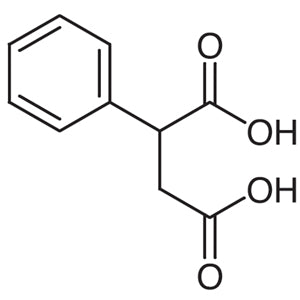
- TCI P0155 635-51-8 Phenylsuccinic Acid
- TCI B1613 7538-42-3 2-Buten-1-ylsuccinic Anhydride
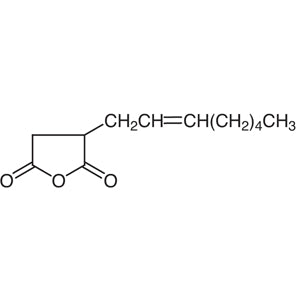
- TCI H0616 10500-34-2 2-Hexen-1-ylsuccinic Anhydride (cis- and trans- mixture)
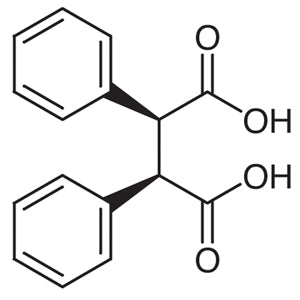
- TCI D2209 1225-13-4 meso-2,3-Diphenylsuccinic Acid
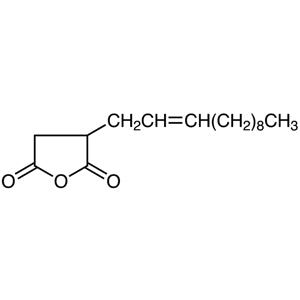
- TCI D0976 19780-11-1 2-Dodecen-1-ylsuccinic Anhydride (cis- and trans- mixture)
- TCI P1359 83-25-0 N-Phenylsuccinimide
- Organic synthesis is a key application where phenylsuccinic anhydride is used to form esters and amides through nucleophilic attack on the anhydride group.
- Pharmaceutical research benefits from its reactivity with amines and alcohols, enabling the synthesis of complex drug molecules.
- Heterocyclic compound development relies on its ability to participate in ring-forming reactions, making it essential for medicinal chemistry.
- Industrial chemical production uses it as a versatile building block for creating derivatives with specific functional groups.
- Analytical chemistry applications leverage its stability and reactivity for characterizing and modifying organic compounds in various reaction systems.
| Brand | TCI |
|---|---|
| CAS number | 1131-15-3 |
| Molecular formula | — |
| Purity | — |
| Category | Chemistry > Building Blocks > Non-Heterocyclic Building Blocks |
| Pack sizes | Available in standard laboratory quantities |
| Physical form | Solid powder |
| Storage | — |
Phenylsuccinic anhydride should be stored in a cool, dry place away from moisture and heat sources to maintain its chemical stability. It is recommended to use airtight containers made of glass or high-density polyethylene to prevent exposure to humidity. Due to its reactivity with moisture, it is important to handle the compound in a controlled environment, ideally under a fume hood. Avoid contact with water or acidic solutions during handling. Proper labeling and storage in a designated chemical cabinet are essential for safety and compliance with laboratory protocols. Always ensure that the compound is kept in a secure location to prevent accidental exposure or contamination.
—
Produk Terkait
-
PhenylsuccinicAcid TCI P0155
Regular price From Rp 557.550,00Regular price -
2-Buten-1-ylsuccinicAnhydride TCI B1613
Regular price From Rp 2.439.150,00Regular price -
2-Hexen-1-ylsuccinicAnhydride(cis-andtrans-mixture) TCI H0616
Regular price Rp 4.213.650,00Regular price -
meso-2,3-DiphenylsuccinicAcid TCI D2209
Regular price From Rp 2.545.200,00Regular price -
2-Dodecen-1-ylsuccinicAnhydride(cis-andtrans-mixture) TCI D0976
Regular price From Rp 610.050,00Regular price -
N-Phenylsuccinimide TCI P1359
Regular price From Rp 2.174.550,00Regular price -
TetrapropenylsuccinicAnhydride(mixtureofbranchedchainisomers) TCI T0170
Regular price From Rp 505.050,00Regular price -
2-OctenylsuccinicAnhydride(cis-andtrans-mixture) TCI O0040
Regular price From Rp 1.087.800,00Regular price