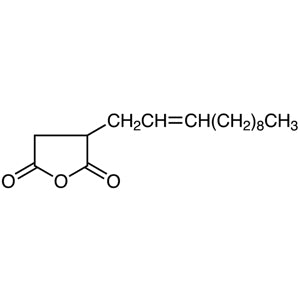
2-Buten-1-ylsuccinic Anhydride is a chemical compound widely used as a building block in organic synthesis. It belongs to the class of anhydrides, which are known for their reactivity in forming esters and amides. This compound plays a crucial role in the development of heterocyclic compounds and polymers due to its ability to participate in various chemical reactions. Its structural versatility makes it a valuable tool for researchers aiming to construct complex molecular frameworks. In the laboratory, it is often employed to create functional groups that are essential for the synthesis of pharmaceuticals and advanced materials.
The compound's anhydride group enables fast and specific reactions, making it ideal for applications requiring high precision and reproducibility. It is chemically stable under certain conditions but highly reactive towards water and polar solvents, which influences its handling and storage requirements. These properties make it a preferred choice for synthetic chemists who need reliable and efficient reagents. Its reactivity and structural adaptability contribute to its widespread use in both academic and industrial research settings.
In Indonesian laboratories, 2-Buten-1-ylsuccinic Anhydride is commonly used in pure and applied chemical research. It supports the development of new drugs, industrial raw materials, and advanced materials through its role in organic synthesis. Its availability and consistent quality ensure that local researchers can access this compound for their experimental needs. This makes it an essential component in the chemical research landscape of Indonesia.
Related TCI products
- TCI H0616 10500-34-2 2-Hexen-1-ylsuccinic Anhydride (cis- and trans- mixture)
- TCI D0976 19780-11-1 2-Dodecen-1-ylsuccinic Anhydride (cis- and trans- mixture)
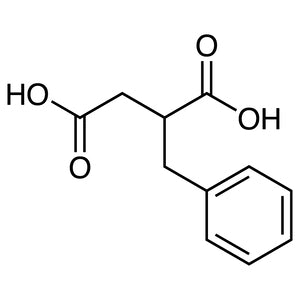
- TCI B4253 884-33-3 DL-Benzylsuccinic Acid
- TCI B2742 2035-76-9 Butylsuccinic Anhydride
- TCI A1283 7539-12-0 Allylsuccinic Anhydride
- TCI T0170 26544-38-7 Tetrapropenylsuccinic Anhydride (mixture of branched chain isomers)
- Organic Synthesis: This compound is ideal for creating complex molecular structures due to its reactivity and versatility in forming esters and amides.
- Pharmaceutical Development: It is used in the synthesis of drug molecules, contributing to the creation of new therapeutic agents.
- Polymer Chemistry: The compound helps in the formation of polymers by acting as a building block in the synthesis of various polymeric materials.
- Material Science Research: It is employed in the development of advanced materials, including those with specific functional properties.
- Chemical Education: It serves as a valuable teaching tool for students studying organic chemistry and synthetic methodologies.
| Brand | TCI |
|---|---|
| CAS number | 7538-42-3 |
| Molecular formula | — |
| Purity | — |
| Category | Chemistry > Building Blocks > Non-Heterocyclic Building Blocks |
| Pack sizes | Available in various quantities as per standard chemical supply practices |
| Physical form | Solid, typically in powder or crystalline form |
| Storage | Should be stored in a dry, cool, and well-ventilated area away from moisture and polar solvents |
This compound should be stored in a dry, cool, and well-ventilated area to prevent hydrolysis and degradation. It is recommended to use airtight containers made of materials that are chemically inert, such as glass or polyethylene, to minimize exposure to moisture and reactive substances. Due to its reactivity with water and polar solvents, it should be kept away from these substances during storage and handling. Laboratory personnel should wear appropriate personal protective equipment, including gloves and safety goggles, when working with this compound to ensure safe handling. Proper labeling and storage conditions are essential to maintain its chemical integrity and ensure safe use in laboratory settings.
—
Produk Terkait
-
2-Hexen-1-ylsuccinicAnhydride(cis-andtrans-mixture) TCI H0616
Regular price Rp 4.266.150,00Regular priceRp 2.998.800,00Sale price Rp 4.266.150,00 -
2-Dodecen-1-ylsuccinicAnhydride(cis-andtrans-mixture) TCI D0976
Regular price From Rp 662.550,00Regular priceRp 478.800,00Sale price From Rp 662.550,00 -
DL-BenzylsuccinicAcid TCI B4253
Regular price From Rp 1.644.300,00Regular priceRp 1.149.750,00Sale price From Rp 1.644.300,00 -
ButylsuccinicAnhydride TCI B2742
Regular price From Rp 5.274.150,00Regular priceRp 3.687.600,00Sale price From Rp 5.274.150,00 -
AllylsuccinicAnhydride TCI A1283
Regular price From Rp 610.050,00Regular priceRp 442.050,00Sale price From Rp 610.050,00 -
TetrapropenylsuccinicAnhydride(mixtureofbranchedchainisomers) TCI T0170
Regular price From Rp 557.550,00Regular priceRp 405.300,00Sale price From Rp 557.550,00 -
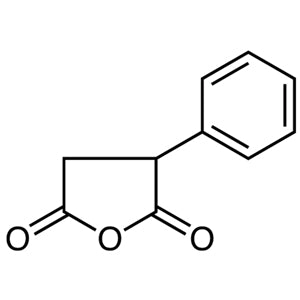
PhenylsuccinicAnhydride TCI P2257
Regular price From Rp 3.605.700,00Regular priceRp 2.521.050,00Sale price From Rp 3.605.700,00 -
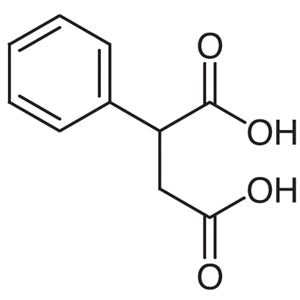
PhenylsuccinicAcid TCI P0155
Regular price From Rp 557.550,00Regular priceRp 389.550,00Sale price From Rp 557.550,00