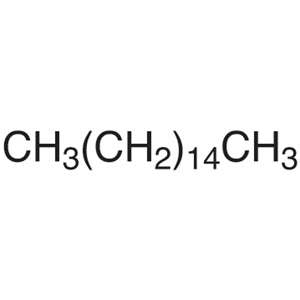
Tert-Butyl Hydrogen Hexadecanedioate is a chemical compound widely used in scientific and industrial applications. As an ester, it serves as a versatile linker or crosslinker in chemical reactions, enabling the formation of stable and specific molecular bonds. This compound is particularly valuable in laboratory settings where the synthesis of complex molecules is required. Its role extends to organic chemistry and biochemical research, where it facilitates the construction of intricate molecular structures. Due to its chemical stability and controlled reactivity, it is a reliable choice for various experimental conditions.
The compound's chemical properties make it a preferred choice for laboratory use. Its tert-butyl group provides molecular stability, reducing the risk of degradation during storage and use. The hydrogen hexadecanedioate group allows for controlled reactivity, enabling it to interact with a variety of substrates. These characteristics ensure that it remains effective in different experimental environments. Its stability and reactivity are key factors in its application across multiple research fields.
In Indonesian laboratories, this compound is commonly used in organic chemistry, biochemical research, and material science. Its ability to form stable molecular bonds makes it essential for the synthesis of complex compounds. It is also utilized in pharmaceutical research and the development of advanced materials. Due to its reliability and versatility, it is a standard component in many laboratory workflows in Indonesia.
Related TCI products
- TCI B5927 234082-00-9 tert-Butyl Hydrogen Tetradecanedioate
- TCI B5926 234081-98-2 tert-Butyl Hydrogen Dodecanedioate
- TCI D3554 19102-90-0 Dimethyl Hexadecanedioate
- TCI S0555 544-76-3 Reference Material for Flash Point Certified by The Japan Petroleum Institute, Hexadecane
- TCI S0288 544-76-3 Hexadecane [Standard Material for GC]
- TCI H0066 544-76-3 Hexadecane
- Organic synthesis applications benefit from its ability to form stable molecular bonds, enabling the construction of complex organic compounds.
- Biochemical research utilizes this compound as a linker to facilitate molecular interactions and structural modifications.
- Material science experiments rely on its crosslinking properties to develop advanced polymer and composite materials.
- Pharmaceutical research employs it in the synthesis of drug molecules, leveraging its controlled reactivity and stability.
- Chemical crosslinking processes use it to create stable, functional molecular networks for various industrial applications.
| Brand | TCI |
|---|---|
| CAS number | 843666-27-3 |
| Molecular formula | — |
| Purity | — |
| Category | Chemistry > Chemical Biology > Linkers and Crosslinkers |
| Pack sizes | Available in various quantities as per supplier specifications |
| Physical form | Solid or liquid, depending on formulation |
| Storage | Store in a cool, dry place away from direct sunlight |
This compound should be stored in a cool, dry environment to maintain its chemical stability. It is recommended to keep it in airtight containers to prevent moisture absorption and contamination. Due to its controlled reactivity, it should be handled with care in laboratory settings, using appropriate personal protective equipment. Avoid exposure to heat or direct sunlight to prevent degradation. Proper labeling and storage conditions ensure its effectiveness and safety during use. Always follow standard laboratory safety protocols when handling chemical compounds.
—
Product Categories
Produk Terkait
-
tert-ButylHydrogenTetradecanedioate TCI B5927
Regular price Rp 4.373.250,00Regular priceRp 3.073.350,00Sale price Rp 4.373.250,00 -
tert-ButylHydrogenDodecanedioate TCI B5926
Regular price From Rp 3.074.400,00Regular priceRp 2.165.100,00Sale price From Rp 3.074.400,00 -
DimethylHexadecanedioate TCI D3554
Regular price From Rp 4.266.150,00Regular priceRp 2.998.800,00Sale price From Rp 4.266.150,00 -
ReferenceMaterialforFlashPointCertifiedbyTheJapanPetroleumInstitute,Hexadecane TCI S0555
Regular price Rp 4.161.150,00Regular priceRp 2.909.550,00Sale price Rp 4.161.150,00 -
Hexadecane[StandardMaterialforGC] TCI S0288
Regular price Rp 2.094.750,00Regular priceRp 1.464.750,00Sale price Rp 2.094.750,00 -
Hexadecane TCI H0066
Regular price From Rp 530.250,00Regular priceRp 370.650,00Sale price From Rp 530.250,00 -
DiisopropylDecanedioate TCI D6183
Regular price From Rp 2.677.500,00Regular priceRp 1.887.900,00Sale price From Rp 2.677.500,00 -
1,2-Hexadecanediol TCI H0993
Regular price From Rp 1.801.800,00Regular priceRp 1.275.750,00Sale price From Rp 1.801.800,00