1-(tert-Butoxycarbonyl)indole-2-boronic Acid is a specialized chemical compound used in organic synthesis, particularly in the preparation of heterocyclic compounds and boronic acid derivatives. This reagent plays a crucial role in laboratory settings where complex molecular structures need to be synthesized with high precision. Its unique chemical structure, containing both boronic acid and tert-butoxycarbonyl groups, makes it a valuable tool for chemists working on advanced synthetic routes. The compound is known for its versatility in various reaction conditions, allowing for the formation of diverse chemical entities with controlled reactivity.
The compound's reactivity is enhanced by the presence of varying amounts of anhydride, which contributes to its effectiveness in coupling reactions. This property allows it to participate in a wide range of organic transformations, including substitution and addition reactions. Its ability to react with both nucleophilic and electrophilic reagents makes it a preferred choice for researchers aiming to develop new synthetic methodologies. The presence of anhydride also increases its potential for use in more complex synthetic applications, expanding its utility in the field of organoboron chemistry.
In Indonesian laboratories, this compound is widely used by chemists and researchers in the field of organic synthesis. Its availability and adherence to international quality standards make it a reliable choice for both academic and industrial research. The compound is particularly favored for its role in the synthesis of indole-based compounds, which are important in pharmaceutical and materials science research. Its application continues to grow as more studies explore its potential in advanced chemical processes.
TCI brochures (PDF)
- Suzuki-Miyaura Cross Coupling Reaction 2025-12-01 · p. 14
Related TCI products
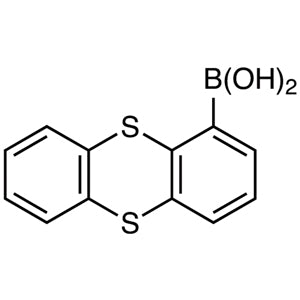
- TCI T3706 108847-76-3 1-Thianthrenylboronic Acid (contains varying amounts of Anhydride)
- TCI T2621 160032-40-6 Thieno[3,2-b]thiophene-2-boronic Acid (contains varying amounts of Anhydride)
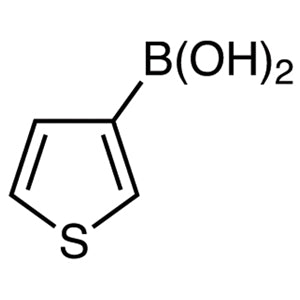
- TCI T1975 6165-69-1 3-Thiopheneboronic Acid (contains varying amounts of Anhydride)
- TCI B4774 113893-08-6 Benzo[b]thiophene-3-boronic Acid (contains varying amounts of Anhydride)
- TCI B4063 135884-31-0 1-(tert-Butoxycarbonyl)-2-pyrroleboronic Acid (contains varying amounts of Anhydride)
- Organic synthesis of heterocyclic compounds due to its ability to participate in coupling reactions and form stable intermediates.
- Preparation of boronic acid derivatives through controlled chemical transformations involving nucleophilic and electrophilic reagents.
- Synthesis of indole-based molecules, which are essential in pharmaceutical and medicinal chemistry applications.
- Development of new synthetic methodologies in organoboron chemistry due to its reactivity and structural versatility.
- Research in materials science where complex molecular structures are required for advanced functional materials.
| Brand | TCI |
|---|---|
| CAS number | 213318-44-6 |
| Molecular formula | — |
| Purity | — |
| Category | Chemistry > Organometallic Reagents > Organoboron [Organometallic Reagents] |
| Pack sizes | — |
| Physical form | — |
| Storage | Store in a cool, dry place away from moisture and direct sunlight. |
This compound should be stored in a cool, dry environment to maintain its chemical integrity and prevent degradation. It is recommended to use airtight containers to protect it from moisture and air exposure, which can affect its reactivity. Due to its potential reactivity with various reagents, it should be handled in a well-ventilated laboratory setting. Proper personal protective equipment, including gloves and safety goggles, should be worn when handling this material. Avoid contact with incompatible substances to ensure safety during storage and use. Regular monitoring of storage conditions is advised to maintain optimal performance and safety standards in the laboratory.
—
Produk Terkait
-
1-ThianthrenylboronicAcid(containsvaryingamountsofAnhydride) TCI T3706
Regular price From Rp 662.550,00Regular priceRp 478.800,00Sale price From Rp 662.550,00 -
Thieno[3,2-b]thiophene-2-boronicAcid(containsvaryingamountsofAnhydride) TCI T2621
Regular price Rp 5.883.150,00Regular priceRp 4.129.650,00Sale price Rp 5.883.150,00 -
3-ThiopheneboronicAcid(containsvaryingamountsofAnhydride) TCI T1975
Regular price From Rp 875.700,00Regular priceRp 627.900,00Sale price From Rp 875.700,00 -
Benzo[b]thiophene-3-boronicAcid(containsvaryingamountsofAnhydride) TCI B4774
Regular price From Rp 1.272.600,00Regular priceRp 905.100,00Sale price From Rp 1.272.600,00 -
1-(tert-Butoxycarbonyl)-2-pyrroleboronicAcid(containsvaryingamountsofAnhydride) TCI B4063
Regular price From Rp 1.696.800,00Regular priceRp 1.202.250,00Sale price From Rp 1.696.800,00