Benzyl (6-Bromohexyl)carbamate is a chemical compound widely used in organic reactions for the synthesis of complex molecules. This compound features a carbamate group attached to a hexyl chain containing a bromine atom, making it a versatile building block in chemical synthesis. In laboratory settings, it plays a crucial role in the development of heterocyclic compounds and intricate molecular structures. Its presence in various synthetic pathways allows chemists to explore new reaction mechanisms and functional group transformations. Due to its stability and controlled reactivity, it is a reliable reagent in both substitution and bond-forming reactions.
The compound’s chemical properties make it a preferred choice for researchers. It exhibits good solubility in organic solvents such as ethyl acetate and dimethyl sulfoxide, which enhances its utility in diverse synthetic protocols. Its ability to participate in both nucleophilic and electrophilic reactions expands its applicability in multi-step syntheses. The predictable behavior of Benzyl (6-Bromohexyl)carbamate under controlled laboratory conditions ensures consistent results, making it a go-to material for organic chemists. Its reliability and versatility contribute to its popularity in both academic and industrial research environments.
In Indonesian laboratories, Benzyl (6-Bromohexyl)carbamate is commonly used in organic chemistry research, particularly in the field of pharmacology. It is a key reagent in the development of new drug molecules and bioactive compounds. Its role in synthesizing complex structures supports research into pharmaceuticals and medicinal chemistry. The compound’s availability and performance make it an essential tool for scientists working on advanced chemical projects in Indonesia.
Related TCI products
- Organic synthesis of heterocyclic compounds due to its reactive carbamate group and brominated hexyl chain.
- Development of pharmaceuticals and bioactive molecules through controlled substitution and bond-forming reactions.
- Research in medicinal chemistry for the design of new drug candidates with complex molecular frameworks.
- Synthesis of functionalized organic molecules requiring precise structural modifications and reactivity control.
- Exploration of nucleophilic and electrophilic reaction pathways in advanced chemical research projects.
| Brand | TCI |
|---|---|
| CAS number | 116784-97-5 |
| Molecular formula | — |
| Purity | — |
| Category | Chemistry > Building Blocks > Non-Heterocyclic Building Blocks |
| Pack sizes | Available in standard laboratory quantities |
| Physical form | Solid or liquid depending on supplier packaging |
| Storage | Store in a cool, dry place away from direct sunlight |
This compound should be stored in a cool, dry environment, away from direct sunlight and sources of heat. It is recommended to use airtight containers to prevent moisture absorption and contamination. Due to its chemical nature, it should be handled with appropriate personal protective equipment, including gloves and safety goggles. While it is generally stable under normal laboratory conditions, it should be kept in a well-ventilated area to minimize exposure. Proper labeling and storage practices ensure safe handling and maintain the integrity of the material for consistent experimental results.
—
Produk Terkait
-
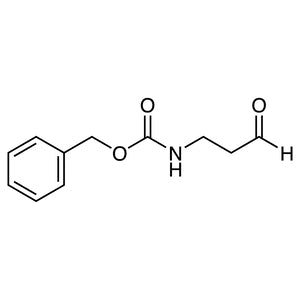
Benzyl(3-Oxopropyl)carbamate TCI P3040
Regular price Rp 3.340.050,00Regular priceRp 2.350.950,00Sale price Rp 3.340.050,00 -
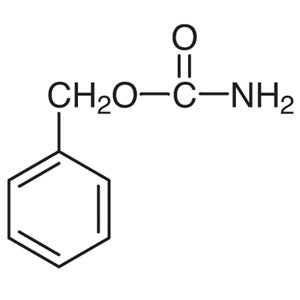
BenzylCarbamate TCI C0590
Regular price From Rp 1.590.750,00Regular priceRp 1.127.700,00Sale price From Rp 1.590.750,00 -
Benzyl(2-Aminoethyl)carbamate TCI B6489
Regular price From Rp 1.431.150,00Regular priceRp 1.016.400,00Sale price From Rp 1.431.150,00 -
N-(6-Bromohexyl)phthalimide TCI B4987
Regular price From Rp 2.969.400,00Regular priceRp 2.091.600,00Sale price From Rp 2.969.400,00 -
tert-ButylN-(Benzyloxy)carbamate TCI B1799
Regular price From Rp 2.041.200,00Regular priceRp 1.442.700,00Sale price From Rp 2.041.200,00 -
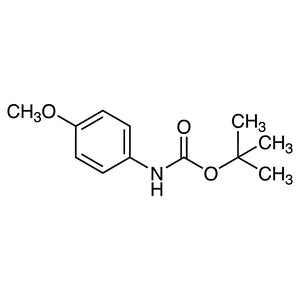
tert-Butyl(4-Methoxyphenyl)carbamate TCI M3777
Regular price From Rp 3.285.450,00Regular priceRp 2.313.150,00Sale price From Rp 3.285.450,00 -
tert-Butyl(4-Hydroxyphenyl)carbamate TCI H1954
Regular price Rp 2.411.850,00Regular priceRp 1.702.050,00Sale price Rp 2.411.850,00 -
Ethyl(3-Hydroxyphenyl)carbamate TCI E1227
Regular price From Rp 2.969.400,00Regular priceRp 2.091.600,00Sale price From Rp 2.969.400,00