Benzyl (3-Oxopropyl)carbamate is a chemical compound widely used as a building block in organic synthesis. It serves as a versatile intermediate in the preparation of complex organic molecules, enabling chemists to introduce specific functional groups into target compounds. This material is particularly valuable in laboratories where the synthesis of pharmaceuticals, industrial chemicals, and analytical reagents is required. Its chemical structure allows for participation in various reaction types, including substitution, reduction, and bond formation, making it an essential tool in synthetic chemistry.
The compound is known for its chemical stability under controlled conditions, which makes it suitable for use in a wide range of chemical reactions. It can react with acids, bases, and organic solvents, which provides flexibility in experimental design. Its availability in multiple packaging formats also enhances its usability across different laboratory settings. These properties make it a preferred choice for researchers seeking reliable and adaptable reagents.
In Indonesian laboratories, Benzyl (3-Oxopropyl)carbamate is commonly used in organic chemistry research, especially in academic and research institutions. It plays a key role in the development of new compounds relevant to local and national needs. Its accessibility and chemical versatility make it a staple in both teaching and research laboratories, supporting the advancement of chemical sciences in the region.
Related TCI products
- TCI B5981 333387-97-6 tert-Butyl (3-Oxo-3-phenylpropyl)carbamate
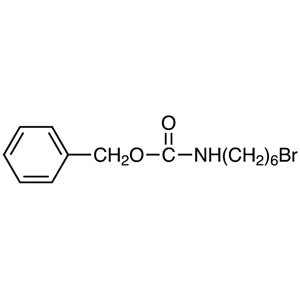
- TCI B5355 116784-97-5 Benzyl (6-Bromohexyl)carbamate
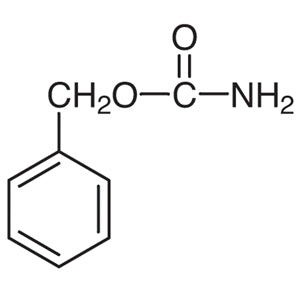
- TCI C0590 621-84-1 Benzyl Carbamate
- TCI B6489 72080-83-2 Benzyl (2-Aminoethyl)carbamate
- TCI M1978 1378825-86-5 3-Methyl-3-(2-oxopropyl)-2,4,7-trioxabicyclo[3.3.0]octane
- TCI B1799 79722-21-7 tert-Butyl N-(Benzyloxy)carbamate
- Organic synthesis applications benefit from its reactivity and structural versatility, enabling the creation of complex molecules with precise functional groups.
- Pharmaceutical research utilizes this compound as a building block for the development of new drug candidates and therapeutic agents.
- Industrial chemical production relies on its stability and reactivity to synthesize a variety of useful compounds for commercial use.
- Analytical chemistry laboratories use it as a standard reagent for the calibration and testing of analytical instruments.
- Educational institutions incorporate it into teaching laboratories to demonstrate fundamental organic reactions and synthetic techniques.
| Brand | TCI |
|---|---|
| CAS number | 65564-05-8 |
| Molecular formula | — |
| Purity | — |
| Category | Chemistry > Building Blocks > Non-Heterocyclic Building Blocks |
| Pack sizes | Available in various sizes to suit different laboratory needs |
| Physical form | Solid or liquid, depending on the packaging |
| Storage | Store in a cool, dry place away from direct sunlight |
This compound should be stored in a cool, dry environment to maintain its chemical stability and prevent degradation. It is recommended to use airtight containers to protect it from moisture and contaminants. When handling, it is important to ensure proper ventilation and use appropriate personal protective equipment, such as gloves and safety goggles. Avoid exposure to strong acids or bases to prevent unwanted chemical reactions. Keep the material away from heat sources and incompatible substances to ensure safe storage and usage in the laboratory. Always follow standard laboratory safety protocols when working with this compound.
—
Produk Terkait
-
tert-Butyl(3-Oxo-3-phenylpropyl)carbamate TCI B5981
Regular price Rp 4.584.300,00Regular price -
Benzyl(6-Bromohexyl)carbamate TCI B5355
Regular price From Rp 1.326.150,00Regular price -
BenzylCarbamate TCI C0590
Regular price From Rp 1.538.250,00Regular price -
Benzyl(2-Aminoethyl)carbamate TCI B6489
Regular price From Rp 1.378.650,00Regular price -
3-Methyl-3-(2-oxopropyl)-2,4,7-trioxabicyclo[3.3.0]octane TCI M1978
Regular price Rp 5.034.750,00Regular price -
tert-ButylN-(Benzyloxy)carbamate TCI B1799
Regular price From Rp 1.988.700,00Regular price -
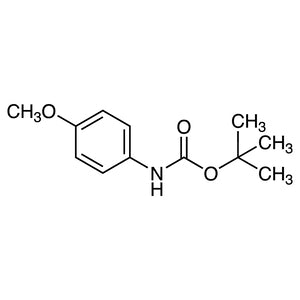
tert-Butyl(4-Methoxyphenyl)carbamate TCI M3777
Regular price From Rp 3.232.950,00Regular price -
tert-Butyl(4-Hydroxyphenyl)carbamate TCI H1954
Regular price Rp 2.359.350,00Regular price


![1378825-86-5 3-Methyl-3-(2-oxopropyl)-2,4,7-trioxabicyclo[3.3.0]octane - AMI Scientific](http://amiscientific.com/cdn/shop/files/TCI2510M1978.jpg?v=1767125853&width=533)