2-Chloro-4'-phenylacetophenone is an organic compound in the α-haloketone class built on a biphenyl framework. The aromatic ketone group sits next to a carbon that carries a chlorine atom, which makes the molecule highly reactive toward nucleophiles. In the laboratory, it serves as a non-heterocyclic building block for assembling more complex molecules, especially in organic synthesis and medicinal chemistry. TCI supplies it under product code C0252 for research and development, identified by CAS number 635-84-7.
Much of this compound's value comes from two functional groups that work together. The α-carbon bearing the chlorine is electrophilic and is readily attacked by nucleophiles such as amines, thiols, or carboxylates. The neighbouring carbonyl group can also be modified further, which lets chemists build out the molecule in several directions. The biphenyl portion gives a rigid, hydrophobic aromatic scaffold. It also absorbs ultraviolet light, which helps when monitoring reactions or detecting derivatives. The compound is generally a solid. For detailed physical properties and lot purity, consult the manufacturer's official documentation.
In Indonesian laboratories, this material is relevant to research groups in organic synthesis, medicinal chemistry, and the development of new compounds. University chemistry departments, pharmaceutical research teams, and institutional R&D laboratories can use it as an intermediate when preparing compound libraries or exploring new synthetic routes. Because it is supplied by TCI as a research-grade reagent, it suits teaching laboratories, thesis projects, and professional research where traceable starting materials and consistent supplier documentation matter for reproducible results.
Related TCI products
- TCI D1745 447-31-4 2-Chloro-2-phenylacetophenone
- TCI B4471 1484-50-0 2-Bromo-2-phenylacetophenone
- TCI B0633 135-73-9 2-Bromo-4'-phenylacetophenone
- TCI H1577 39604-66-5 2'-Hydroxy-4',6'-dimethoxy-2-phenylacetophenone
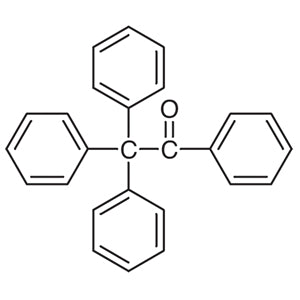
- TCI T1207 466-37-5 2,2,2-Triphenylacetophenone
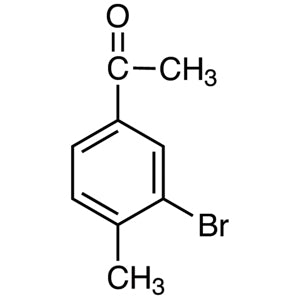
- TCI B4758 40180-80-1 3'-Bromo-4'-methylacetophenone
- Nucleophilic substitution studies: the electrophilic α-carbon bearing chlorine reacts readily with amines, thiols, and carboxylates, so the compound is a convenient substrate for building new carbon–heteroatom bonds.
- Building block for complex molecules: as a non-heterocyclic building block with two complementary functional groups, it lets chemists add structural complexity step by step from a single starting material.
- Medicinal chemistry research: the rigid, hydrophobic biphenyl scaffold combined with a reactive handle makes it useful for preparing candidate molecules and derivative series for structure–activity exploration.
- Carbonyl modification chemistry: the aromatic ketone next to the halogenated carbon can be transformed further, which gives researchers extra routes to diversify the molecule after the initial substitution step.
- Reaction monitoring and derivative detection: the biphenyl unit absorbs ultraviolet light, so the compound and its products can be tracked more easily with UV-based detection during synthesis and analysis.
| Brand | TCI (product code C0252) |
|---|---|
| CAS number | 635-84-7 |
| Molecular formula | — |
| Purity | — |
| Category | Chemistry > Building Blocks > Non-Heterocyclic Building Blocks |
| Pack sizes | as listed by the manufacturer for this product code |
| Physical form | generally a solid |
| Storage | follow the manufacturer's label and Safety Data Sheet; keep tightly closed in a cool, dry place |
Store 2-Chloro-4'-phenylacetophenone in its original, tightly sealed container in a cool, dry, well-ventilated area, away from moisture, heat, and incompatible substances such as strong bases, strong oxidisers, and nucleophilic reagents. Check the manufacturer's label and Safety Data Sheet for the specific recommended storage temperature. α-Haloketones are reactive and can irritate the skin, eyes, and respiratory tract, so handle the compound in a fume hood while wearing nitrile gloves, safety goggles, and a laboratory coat. Avoid creating dust, weigh it carefully, and clean up spills promptly. Dispose of residues and contaminated materials according to institutional chemical waste procedures and local regulations.
—
Produk Terkait
-
2-Chloro-2-phenylacetophenone TCI D1745
Regular price From Rp 1.618.050,00Regular priceRp 1.146.600,00Sale price From Rp 1.618.050,00 -
2-Bromo-2-phenylacetophenone TCI B4471
Regular price From Rp 2.411.850,00Regular priceRp 1.702.050,00Sale price From Rp 2.411.850,00 -
2-Bromo-4'-phenylacetophenone TCI B0633
Regular price From Rp 1.060.500,00Regular priceRp 757.050,00Sale price From Rp 1.060.500,00 -
2'-Hydroxy-4',6'-dimethoxy-2-phenylacetophenone TCI H1577
Regular price From Rp 1.378.650,00Regular priceRp 979.650,00Sale price From Rp 1.378.650,00 -
2,2,2-Triphenylacetophenone TCI T1207
Regular price From Rp 1.008.000,00Regular priceRp 704.550,00Sale price From Rp 1.008.000,00 -
3'-Bromo-4'-methylacetophenone TCI B4758
Regular price From Rp 689.850,00Regular priceRp 497.700,00Sale price From Rp 689.850,00 -
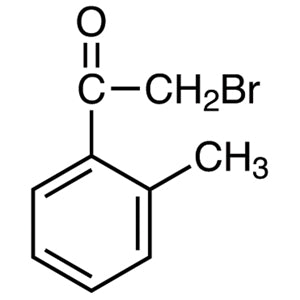
2-Bromo-2'-methylacetophenone TCI B4750
Regular price From Rp 900.900,00Regular priceRp 645.750,00Sale price From Rp 900.900,00 -
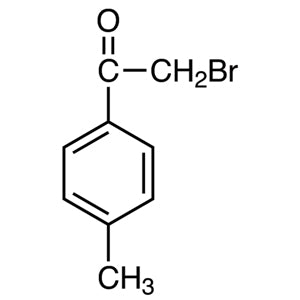
2-Bromo-4'-methylacetophenone TCI B2107
Regular price From Rp 1.272.600,00Regular priceRp 905.100,00Sale price From Rp 1.272.600,00