2-Bromo-4'-phenylacetophenone is a chemical compound widely used as a building block in the synthesis of complex organic compounds. It is a versatile reagent that plays a key role in various organic reactions, including substitution, addition, and reduction processes. Its aromatic structure, combined with bromo and phenyl substituents, allows for a wide range of chemical transformations, making it an essential component in synthetic chemistry. This compound is particularly valuable for its ability to participate in different reaction mechanisms, such as SN1, SN2, and electrophilic reactions, which are fundamental in organic synthesis.
The compound is preferred due to its stable chemical properties and controlled reactivity, which make it suitable for a variety of experimental conditions. Its moderate reactivity allows chemists to manipulate its behavior in different reaction environments without excessive side reactions. Additionally, its molecular structure provides multiple functional groups that can be modified through various synthetic pathways. These characteristics make it a reliable and efficient reagent for both academic and industrial research.
In Indonesian laboratories, 2-Bromo-4'-phenylacetophenone is commonly used in pharmaceutical, organic chemistry, and materials science research. It is a key reagent in the development of bioactive compounds and functional materials. Researchers and students frequently use this compound for experiments requiring a stable yet reactive building block. Its availability and reliability make it a popular choice in both teaching and research settings.
Related TCI products
- TCI B4471 1484-50-0 2-Bromo-2-phenylacetophenone
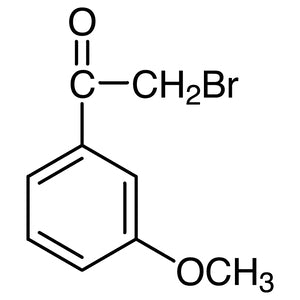
- TCI M0815 5000-65-7 3'-Methoxyphenacyl Bromide
- TCI H1577 39604-66-5 2'-Hydroxy-4',6'-dimethoxy-2-phenylacetophenone
- TCI D1745 447-31-4 2-Chloro-2-phenylacetophenone
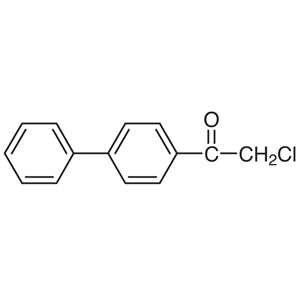
- TCI C0252 635-84-7 2-Chloro-4'-phenylacetophenone
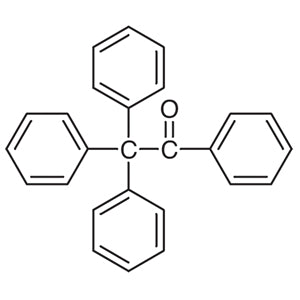
- TCI T1207 466-37-5 2,2,2-Triphenylacetophenone
- Pharmaceutical research: This compound is widely used in the development of new drugs due to its ability to participate in various synthetic pathways that lead to bioactive molecules.
- Organic synthesis: Its aromatic structure and substituents make it ideal for creating complex organic molecules through substitution and electrophilic reactions.
- Materials science: It serves as a precursor in the synthesis of functional materials, including polymers and dyes, due to its reactivity and structural versatility.
- Academic teaching: It is commonly used in undergraduate and graduate laboratory courses to demonstrate key organic reaction mechanisms and synthetic strategies.
- Bioactive compound development: Its chemical properties make it a valuable tool in the synthesis of compounds with biological activity, such as inhibitors and ligands.
| Brand | TCI |
|---|---|
| CAS number | 135-73-9 |
| Molecular formula | — |
| Purity | — |
| Category | Chemistry > Building Blocks > Non-Heterocyclic Building Blocks |
| Pack sizes | Available in various quantities as per supplier specifications |
| Physical form | Solid |
| Storage | Store in a cool, dry place away from light and moisture |
This compound should be stored in a cool, dry environment, away from direct light and moisture to maintain its chemical stability. It is recommended to use airtight containers made of glass or high-density polyethylene to prevent contamination and degradation. Due to its bromo substituent, it may react with certain materials, so it should be handled with care and stored separately from incompatible substances. In laboratory settings, proper personal protective equipment, including gloves and safety goggles, should always be worn when handling this compound. Regular monitoring of storage conditions is advised to ensure the compound remains in optimal condition for use.
—
Product Categories
Produk Terkait
-
2-Bromo-2-phenylacetophenone TCI B4471
Regular price From Rp 2.411.850,00Regular priceRp 1.702.050,00Sale price From Rp 2.411.850,00 -
3'-MethoxyphenacylBromide TCI M0815
Regular price From Rp 1.510.950,00Regular priceRp 1.072.050,00Sale price From Rp 1.510.950,00 -
2'-Hydroxy-4',6'-dimethoxy-2-phenylacetophenone TCI H1577
Regular price From Rp 1.378.650,00Regular priceRp 979.650,00Sale price From Rp 1.378.650,00 -
2-Chloro-2-phenylacetophenone TCI D1745
Regular price From Rp 1.618.050,00Regular priceRp 1.146.600,00Sale price From Rp 1.618.050,00 -
2-Chloro-4'-phenylacetophenone TCI C0252
Regular price From Rp 1.829.100,00Regular priceRp 1.294.650,00Sale price From Rp 1.829.100,00 -
2,2,2-Triphenylacetophenone TCI T1207
Regular price From Rp 1.008.000,00Regular priceRp 704.550,00Sale price From Rp 1.008.000,00 -
1-Benzyl-3-p-tolyltriazene[forEsterification] TCI B0949
Regular price Rp 1.246.350,00Regular priceRp 871.500,00Sale price Rp 1.246.350,00 -
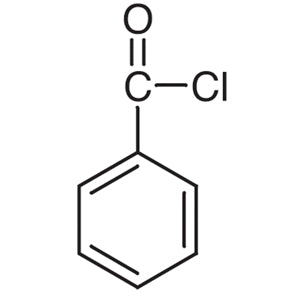
BenzoylChloride TCI B0105
Regular price Rp 557.550,00Regular priceRp 405.300,00Sale price Rp 557.550,00