TCI C1625 Methyl 4-Chlorobenzoate (CAS 1126-46-1) is the methyl ester of 4-chlorobenzoic acid. It is a simple aromatic compound with an ester group and a chlorine atom at the para position of the benzene ring. In the laboratory it is a versatile non-heterocyclic building block, used both to build larger molecules and as a model substrate when developing new reaction methods. Its simple, easily recognised structure makes it a common material in organic chemistry teaching and research.
The main appeal of this compound is its two reactive sites, which behave differently. The methyl ester group can be hydrolysed to the acid, reduced to a benzylic alcohol, converted into an amide, or reacted with organometallic reagents. The aromatic chlorine atom can act as the electrophile in transition-metal-catalysed cross-coupling reactions. Aryl chlorides are generally less reactive than aryl bromides or iodides, so this compound is often used as a test substrate to judge how active new catalysts and ligands are. Having two sites lets chemists change one part of the molecule while leaving the other intact.
In Indonesian laboratories, this material is useful to catalysis and synthetic methodology research groups, organic chemistry laboratories at universities, and teaching laboratories that need a well-defined aromatic ester for practical work. Researchers can use it to screen reaction conditions, compare catalyst systems, and prepare substituted benzoic acid derivatives as intermediates for larger synthetic targets. Because it is supplied under the TCI brand, research and teaching groups can source it consistently from AMI Scientific.
- Cross-coupling methodology development: the aryl chloride is less reactive than aryl bromides or iodides, which makes it a demanding and informative test substrate for judging new palladium or nickel catalysts and ligands.
- Ester transformations: the methyl ester can be hydrolysed to 4-chlorobenzoic acid, reduced to the corresponding benzylic alcohol, or converted into amides, giving chemists several routes to functionalised aromatic products.
- Organometallic chemistry: the ester group reacts with organometallic reagents, so the compound is useful for studying additions to carbonyl groups and for preparing more complex substituted aromatic structures.
- Building block for larger molecules: its two reactive sites with different properties can be changed one after the other, so it works well as a starting material when assembling larger target molecules in organic synthesis.
- Organic chemistry teaching: its simple, recognisable structure and well-understood reactivity make it a good model compound for undergraduate practical work on ester chemistry and aromatic substitution concepts.
| Brand | TCI (product code C1625) |
|---|---|
| CAS number | 1126-46-1 |
| Molecular formula | — |
| Purity | — |
| Category | Chemistry > Building Blocks > Non-Heterocyclic Building Blocks |
| Pack sizes | available in standard TCI pack sizes; contact AMI Scientific for current options |
| Physical form | — |
| Storage | follow the conditions on the TCI label and Safety Data Sheet |
- Chemical identity: methyl ester of 4-chlorobenzoic acid (para-substituted aromatic ester)
Store Methyl 4-Chlorobenzoate in its original, tightly closed TCI container, in a cool, dry, well-ventilated place away from direct sunlight, heat sources, and incompatible materials such as strong oxidising agents, strong bases, and strong acids. Once a container has been opened, reseal it promptly to protect the contents from moisture and contamination. Label secondary containers clearly with the product name and CAS number. Handle the material in a fume hood or another well-ventilated area, and wear suitable personal protective equipment, including safety glasses, chemical-resistant gloves, and a laboratory coat. Avoid skin and eye contact, inhalation, and ingestion. Always read the TCI Safety Data Sheet before use, and dispose of waste according to institutional and local regulations for organic chemical waste.
—
Produk Terkait
-
Ethyl5-Bromo-2-chlorobenzoate TCI B2255
Regular price From Rp 980.700,00Regular priceRp 701.400,00Sale price From Rp 980.700,00 -
Methyl2-Bromo-5-nitrobenzoate TCI B1916
Regular price From Rp 662.550,00Regular priceRp 478.800,00Sale price From Rp 662.550,00 -
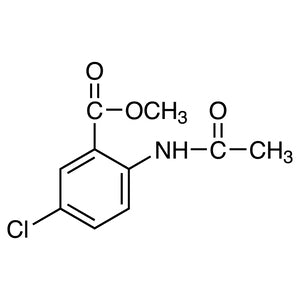
Methyl2-Acetamido-5-chlorobenzoate TCI A1609
Regular price Rp 822.150,00Regular priceRp 590.100,00Sale price Rp 822.150,00 -
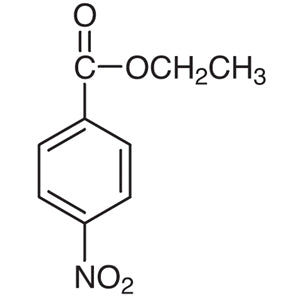
Ethyl4-Nitrobenzoate TCI N0485
Regular price Rp 795.900,00Regular priceRp 572.250,00Sale price Rp 795.900,00 -
Methyl4-Nitrobenzoate TCI N0159
Regular price Rp 1.351.350,00Regular priceRp 960.750,00Sale price Rp 1.351.350,00 -
Methyl2-Nitrobenzoate TCI N0158
Regular price Rp 1.167.600,00Regular priceRp 831.600,00Sale price Rp 1.167.600,00 -
Methyl3-Nitrobenzoate TCI N0157
Regular price Rp 1.033.200,00Regular priceRp 738.150,00Sale price Rp 1.033.200,00 -
Methyl4-Hydroxy-3-nitrobenzoate TCI M3649
Regular price From Rp 900.900,00Regular priceRp 645.750,00Sale price From Rp 900.900,00