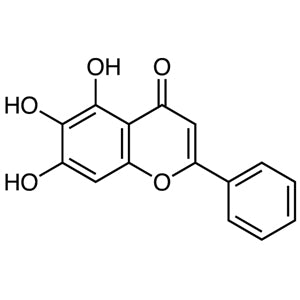
Chrysin is a naturally occurring flavonoid known chemically as 5,7-dihydroxyflavone. It is found in honey, propolis and several plants, including passion flower. In the laboratory, chrysin is used as a biochemical reagent in life science research, especially in studies of flavonoids, antioxidants and cell signalling pathways. This TCI product, catalogue code C1652, belongs to the phenylpropanoid and aromatic polyketide category and is supplied for research use. It gives researchers a well-defined reference compound for work on plant-derived bioactive molecules.
Chrysin has a flavone skeleton with two hydroxyl groups on the A ring and no further hydroxyl groups on the B ring. This pattern sets it apart from more heavily hydroxylated flavonoids such as luteolin and quercetin. For that reason, chrysin is often chosen as a comparison compound in structure–activity relationship studies. It is poorly soluble in water and dissolves more readily in certain organic solvents, such as dimethyl sulfoxide. Its phenolic groups and conjugated system also allow chrysin to be analysed by UV spectrophotometry and liquid chromatography.
For laboratories in Indonesia, chrysin is relevant to natural product research, pharmaceutical development, nutraceutical studies and quality control work. University research groups studying honey, propolis and medicinal plants can use it as a reference standard when identifying and comparing flavonoid content. Pharmaceutical and nutraceutical laboratories can use it in screening and method development. Because it comes from TCI, researchers get a consistent reagent from an established brand for repeatable experimental work.
TCI brochures (PDF)
- Polyphenols 2024-12-05 · p. 1
- Phytochemicals 2025-12-17 · p. 10
- Reagents for Biological Research 2025-03-11 · p. 53
- Flavonoid research: chrysin's well-defined 5,7-dihydroxyflavone structure makes it a dependable model compound for studying the chemistry and biological behaviour of natural flavonoids.
- Antioxidant studies: its phenolic hydroxyl groups make chrysin useful for antioxidant assays, where its activity can be compared with other plant-derived phenolic compounds.
- Cell signalling pathway research: chrysin is used as a biochemical reagent in life science experiments that examine how flavonoids interact with cellular signalling pathways.
- Structure–activity relationship studies: having no B-ring hydroxyl groups, chrysin is an informative comparison compound alongside more hydroxylated flavonoids such as luteolin and quercetin.
- Analytical method development: its conjugated system and phenolic groups allow detection by UV spectrophotometry and liquid chromatography, which suits it as a reference in honey, propolis and plant extract analysis.
| Brand | TCI (product code C1652) |
|---|---|
| CAS number | 480-40-0 |
| Molecular formula | — |
| Purity | — |
| Category | Life Science > Biochemicals and Reagents > Phenylpropanoids, Aromatic Polyketides |
| Pack sizes | please check the product page or contact AMI Scientific for available pack sizes |
| Physical form | — |
| Storage | follow the conditions on the TCI label and safety data sheet |
- Solubility: poorly soluble in water; dissolves more readily in organic solvents such as dimethyl sulfoxide
Store chrysin in its original, tightly closed container in a cool, dry place away from direct light and moisture, following the storage conditions on the TCI label and safety data sheet. After opening, reseal the container promptly to protect the material from humidity and contamination. Prepare stock solutions in suitable organic solvents such as dimethyl sulfoxide, using clean glass or chemically compatible vials that are clearly labelled. Handle the compound in a well-ventilated area and wear standard personal protective equipment, including a lab coat, gloves and safety glasses. Avoid creating or breathing in dust. Read the safety data sheet before use, and dispose of waste according to your laboratory's chemical waste procedures. This product is for research use only.
—
Produk Terkait
-
Butein TCI B3803
Regular price From Rp 3.033.000,00Regular priceRp 2.080.000,00Sale price From Rp 3.033.000,00 -
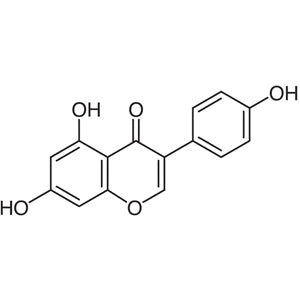
Genistein TCI G0272
Regular price From Rp 1.659.000,00Regular priceRp 1.145.000,00Sale price From Rp 1.659.000,00 -
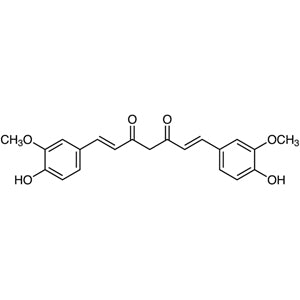
Curcumin(Synthetic) TCI C2302
Regular price From Rp 1.219.000,00Regular priceRp 845.000,00Sale price From Rp 1.219.000,00 -
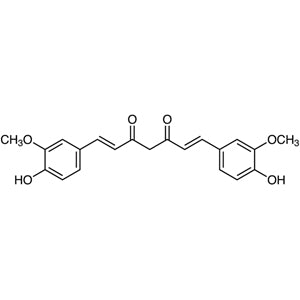
Curcumin(Natural) TCI C0434
Regular price From Rp 624.000,00Regular priceRp 424.000,00Sale price From Rp 624.000,00 -
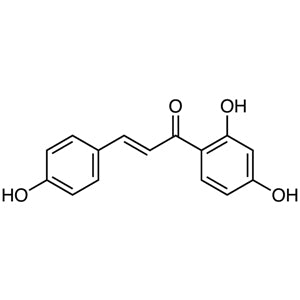
Isoliquiritigenin TCI I0822
Regular price From Rp 1.063.000,00Regular priceRp 739.000,00Sale price From Rp 1.063.000,00 -
PotengriffiosideA TCI T4196
Regular price Rp 7.728.000,00Regular priceRp 5.274.000,00Sale price Rp 7.728.000,00 -
Tetrahydrocurcumin TCI T3587
Regular price From Rp 2.386.000,00Regular priceRp 1.639.000,00Sale price From Rp 2.386.000,00 -
Baicalein TCI T2721
Regular price From Rp 3.086.000,00Regular priceRp 2.115.000,00Sale price From Rp 3.086.000,00