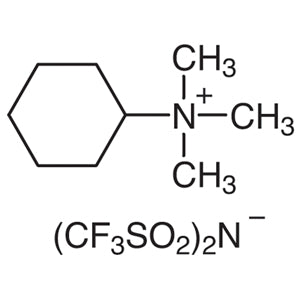
TCI C1966 952155-74-7 Cyclohexyltrimethylammonium Bis(trifluoromethanesulfonyl)imide is a specialized ionic liquid designed for use in complex chemical reactions within laboratory settings. As a member of the ionic liquids category, it is widely utilized in synthetic chemistry due to its unique properties that support a wide range of chemical processes. This compound serves as both a solvent and a reaction medium, offering stability and efficiency in various experimental setups. Its non-volatile nature makes it particularly suitable for reactions requiring high-temperature stability, as it remains inert under extreme conditions.
The compound’s high polarity and ability to dissolve in both organic and inorganic substances make it a preferred choice for researchers. Its non-toxic profile and high melting point contribute to its safety and reliability in laboratory environments. These characteristics ensure that it maintains chemical stability throughout the reaction process, minimizing the risk of degradation or unwanted side reactions. Additionally, its low volatility reduces the need for frequent replenishment, making it a cost-effective and efficient option for long-term experiments.
In Indonesian laboratories, this ionic liquid is commonly used in organic chemistry research, complex compound synthesis, and the development of new materials. Its versatility and stability make it an essential component in advanced chemical studies. The compound’s ability to support high reactivity while maintaining a stable environment has made it a go-to material for scientists working on innovative chemical projects.
- Organic chemistry research benefits from this ionic liquid due to its high polarity and stability, enabling efficient and controlled chemical reactions.
- Complex compound synthesis relies on its non-volatile properties, which allow for prolonged reaction times without evaporation or degradation.
- Material development projects utilize its ability to dissolve a wide range of substances, facilitating the creation of new and advanced materials.
- High-temperature reactions are supported by its thermal stability, making it ideal for experiments requiring elevated conditions.
- Green chemistry initiatives benefit from its non-toxic nature, reducing environmental and health risks in laboratory settings.
| Brand | TCI |
|---|---|
| CAS number | 952155-74-7 |
| Molecular formula | — |
| Purity | — |
| Category | Chemistry > Specialty Synthesis > Ionic Liquids |
| Pack sizes | Available in various quantities as per standard supplier offerings |
| Physical form | Solid at room temperature |
| Storage | Store in a cool, dry place away from direct sunlight |
This ionic liquid should be stored in a cool, dry environment to maintain its chemical integrity. It is recommended to use airtight containers to prevent moisture absorption, which could affect its performance. Due to its non-volatile nature, it does not require frequent replenishment, but regular checks for contamination or degradation should be conducted. In laboratory settings, it is important to handle the compound with care, ensuring that it is kept away from incompatible materials. Proper labeling and storage practices help ensure safety and maintain the compound’s effectiveness in experimental applications.
—
Produk Terkait
-
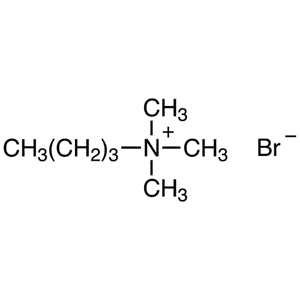
ButyltrimethylammoniumBromide TCI B5798
Regular price From Rp 1.298.850,00Regular price -
(3-Bromopropyl)trimethylammoniumBromide TCI B6051
Regular price Rp 1.829.100,00Regular price -
BenzalkoniumChloride(50%inWater)[forBiochemicalResearch] TCI B6063
Regular price From Rp 743.400,00Regular price -
3-[Bis[2-(methacryloyloxy)ethyl](methyl)ammonio]propane-1-sulfonate TCI B6130
Regular price Rp 3.155.250,00Regular price -
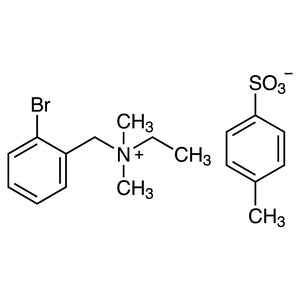
BretyliumTosylate TCI B6544
Regular price Rp 5.803.350,00Regular price -
BetaineAnhydrous[forBiochemicalResearch] TCI B6796
Regular price From Rp 610.050,00Regular price -
L-Carnitine TCI C0049
Regular price From Rp 1.140.300,00Regular price -
DL-CarnitineHydrochloride TCI C0050
Regular price From Rp 1.035.300,00Regular price

![Benzalkonium Chloride (50% in Water) [for Biochemical Research] (CAS 63449-41-2) - TCI B6063 - AMI Scientific](http://amiscientific.com/cdn/shop/files/TCI2510B6063.jpg?v=1768815966&width=533)
ammonio]propane-1-sulfonate (CAS 1314713-40-0) - TCI B6130 - AMI Scientific](http://amiscientific.com/cdn/shop/files/TCI2510B6130.jpg?v=1767093213&width=533)
![Betaine Anhydrous [for Biochemical Research] (CAS 107-43-7) - TCI B6796 - AMI Scientific](http://amiscientific.com/cdn/shop/files/TCI2510B6796.jpg?v=1767094237&width=533)