4-(4-Chlorophenoxy)benzaldehyde is a chemical compound widely used in organic synthesis reactions. As a key building block in chemical laboratories, it serves as a foundational material for the creation of more complex organic molecules. Its aromatic aldehyde structure enables it to participate in various substitution and functional group transformation reactions, making it essential for synthetic chemists. This compound is particularly valuable for its versatility and stability, allowing it to be used in a wide range of experimental conditions. Its presence in the laboratory supports both academic research and industrial development, contributing to the advancement of chemical science.
The compound’s chemical properties make it a preferred choice for synthetic applications. It exhibits controlled reactivity and chemical stability, which are critical for successful laboratory experiments. The presence of a chlorine atom on the phenyl ring influences its electronic properties, enhancing its reactivity in specific reactions. Its non-heterocyclic nature simplifies its handling and processing in various synthetic pathways. These characteristics ensure that it remains a reliable and effective reagent in both research and development settings.
In Indonesian laboratories, 4-(4-Chlorophenoxy)benzaldehyde is commonly used in scientific research, especially in the fields of organic chemistry and pharmaceutical development. Its role in the synthesis of bioactive compounds and pharmaceutical intermediates makes it an essential component of many research projects. Its high purity and consistent quality ensure accurate and reproducible results, supporting the reliability of experimental outcomes in both academic and industrial contexts.
Related TCI products
- Organic synthesis is a primary application where this compound serves as a versatile building block for creating complex molecules through various chemical reactions.
- Pharmaceutical research utilizes it to develop bioactive compounds and drug intermediates, supporting the creation of new therapeutic agents.
- Analytical chemistry benefits from its stable properties, allowing it to be used as a standard or reference material in quantitative analysis.
- Polymer science incorporates it in the synthesis of functional polymers, where its chemical reactivity enables the formation of specific molecular structures.
- Environmental studies use it to model and analyze chemical transformations in natural systems, aiding in the study of environmental chemistry.
| Brand | TCI |
|---|---|
| CAS number | 61343-99-5 |
| Molecular formula | — |
| Purity | — |
| Category | Chemistry > Building Blocks > Non-Heterocyclic Building Blocks |
| Pack sizes | Available in various quantities as per standard laboratory supply |
| Physical form | Solid, crystalline |
| Storage | Store in a cool, dry place away from light and moisture |
This compound should be stored in a cool, dry place, away from light and moisture to maintain its chemical stability. It is recommended to use airtight containers made of glass or polyethylene to prevent contamination and degradation. Due to its chemical reactivity, it should be handled with appropriate personal protective equipment, including gloves and safety goggles. In laboratory settings, it should be stored separately from strong oxidizing agents to avoid potential chemical interactions. Proper labeling and good laboratory practices are essential to ensure safe handling and storage. Regular inspection of storage conditions is advised to maintain the integrity of the compound.
—
Produk Terkait
-
2-(4-Chlorophenoxy)benzaldehyde TCI C3351
Regular price From Rp 2.650.200,00Regular price -
2,4,6-TrichlorophenoxyaceticAcid TCI T1063
Regular price From Rp 3.232.950,00Regular price -
4-NitrophenoxyaceticAcid TCI N0226
Regular price From Rp 1.115.100,00Regular price -
2-NitrophenoxyaceticAcid TCI N0225
Regular price From Rp 1.035.300,00Regular price -
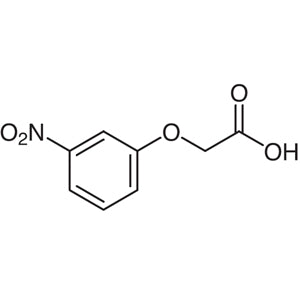
3-NitrophenoxyaceticAcid TCI N0224
Regular price From Rp 1.565.550,00Regular price -
2-(3,4-Dichlorophenoxy)aceticAcid TCI D6455
Regular price From Rp 1.696.800,00Regular price -
Methyl(2,4-Dichlorophenoxy)acetate TCI D6084
Regular price From Rp 2.306.850,00Regular price -
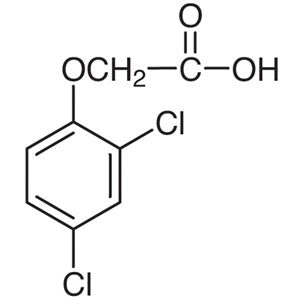
2,4-DichlorophenoxyaceticAcid TCI D0396
Regular price From Rp 664.650,00Regular price