Carboplatin is a chemical compound widely used in pharmacological and biochemical research. As a platinum-based compound, it exhibits significant antitumor activity and is commonly employed as a chemotherapeutic agent in cancer research. In the laboratory, it plays a crucial role in evaluating drug efficacy, testing cellular responses to treatment, and studying the mechanisms of action of antitumor compounds. Its stability and solubility in organic solvents make it a versatile reagent for various experimental applications.
Carboplatin is preferred due to its chemical stability and solubility in solvents such as ethyl acetate and acetone. These properties allow it to be easily incorporated into a wide range of chemical and biochemical experiments. Additionally, its reactivity with proteins and DNA makes it ideal for molecular interaction studies. This reactivity is essential for understanding how antitumor agents interact with biological systems, supporting both basic and applied research.
In Indonesian laboratories, Carboplatin is frequently used in medical and pharmaceutical research, particularly in the development of new drugs and clinical trials. It is also integral to studies focused on cancer mechanisms and alternative treatment approaches. Its application extends to experimental models that aim to improve cancer therapies and understand disease progression.
- Antitumor Mechanism Research: Carboplatin is used to study how platinum-based compounds inhibit cancer cell growth and affect DNA structure.
- Drug Efficacy Testing: It is employed in evaluating the effectiveness of chemotherapeutic agents in vitro and in experimental models.
- Molecular Interaction Studies: Its reactivity with proteins and DNA makes it suitable for investigating molecular binding and interaction processes.
- Cancer Treatment Development: Carboplatin supports research into new therapeutic strategies and alternative treatments for various cancers.
- Clinical Trial Protocols: It is used in experimental settings to simulate and test the effects of chemotherapy in controlled environments.
| Brand | TCI |
|---|---|
| CAS number | 41575-94-4 |
| Molecular formula | — |
| Purity | — |
| Category | Life Science > Biochemicals and Reagents > Pharmaceutical Research Reagents |
| Pack sizes | Available in various quantities as per standard laboratory requirements |
| Physical form | Solid |
| Storage | Store in a cool, dry place away from light |
Carboplatin should be stored in a cool, dry place, away from direct light and moisture. It is recommended to use airtight containers to prevent contamination and maintain chemical integrity. Due to its reactivity, it should be handled with appropriate personal protective equipment, including gloves and safety goggles. Proper ventilation is essential when working with this compound to minimize exposure. It is important to follow standard laboratory safety protocols when handling and storing Carboplatin to ensure a safe working environment.
—
Product Categories
- Biochemicals and ReagentsPharmaceutical Research Reagents (for Experimental Use)Antitumor Research Reagents (for Experimental Use)
- Cell BiologyApoptosisApoptosis Inducers
- Cell BiologyCancer ResearchAntitumor Agents for Research
- Pharmaceutical Development and Drug Discovery ResearchPharmaceutical Research Reagents (for Experimental Use)Antitumor Research Reagents (for Experimental Use)
Produk Terkait
-
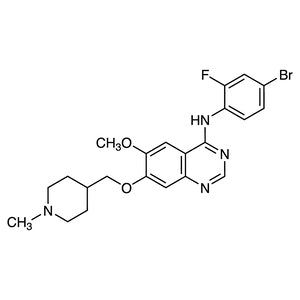
Vandetanib TCI V0199
Regular price From Rp 2.121.000,00Regular price -
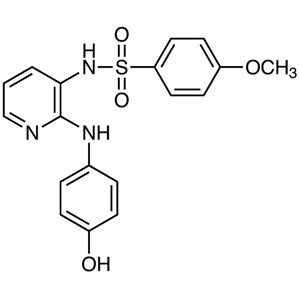
ABT-751 TCI A3169
Regular price From Rp 3.605.700,00Regular price -
5-Aminoimidazole-4-carboxamide1-beta-D-Ribofuranoside TCI A2528
Regular price Rp 2.545.200,00Regular price -
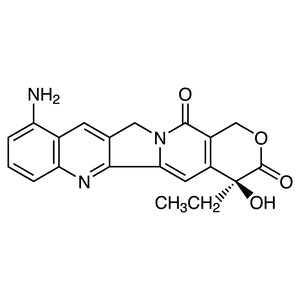
9-Aminocamptothecin TCI A2063
Regular price Rp 8.082.900,00Regular price -
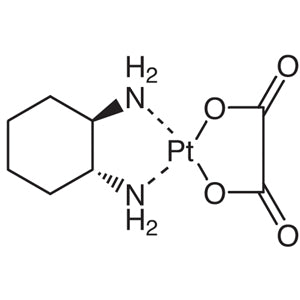
Oxaliplatin TCI O0372
Regular price Rp 6.070.050,00Regular price -
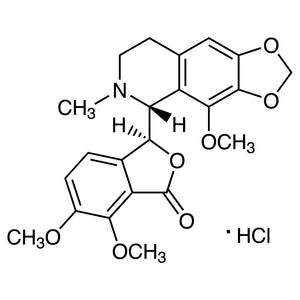
NoscapineHydrochloride TCI N0963
Regular price Rp 3.340.050,00Regular price -
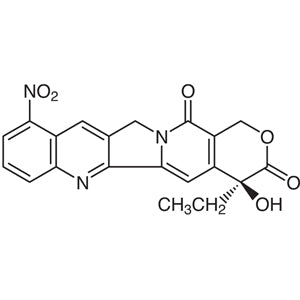
9-Nitrocamptothecin TCI N0822
Regular price Rp 7.764.750,00Regular price -
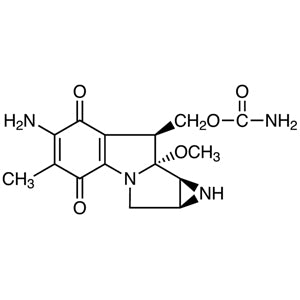
Ametycin TCI M2320
Regular price From Rp 2.862.300,00Regular price