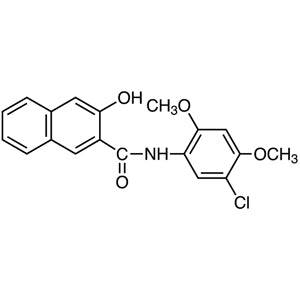
5'-Chloro-3-hydroxy-2',4'-dimethoxy-2-naphthanilide, identified by CAS number 92-72-8 and catalog reference TCI C2101, is an organic compound belonging to the naphthanilide group. It functions as a building block in laboratory chemical synthesis and is classified under non-heterocyclic building blocks, meaning its core structure consists of benzene and naphthalene rings that contain no heterocyclic atoms. In the organic chemistry laboratory, this compound is commonly employed as a coupling component in the preparation of azo dyes, serving research purposes, pigment development, and the calibration of analytical methods. The presence of a hydroxy group at position 3, together with chloro and methoxy groups on the benzene ring, makes the molecule reactive toward diazonium salts, allowing the formation of stable azo bonds. Consequently, this material provides an important foundation for researchers working in dye chemistry, materials chemistry, and the synthesis of intermediate compounds.
The main advantage of this compound lies in its structural design, which is rich in functional groups. The phenolic hydroxy group acts as the primary reaction site in azo coupling, while the chloro substituent and two methoxy groups provide a distinct electronic environment that influences reactivity and selectivity. This combination of substituents gives the molecule predictable behavior under standard coupling conditions, making it a dependable choice for building azo structures with consistent results. Its classification as a non-heterocyclic building block also contributes to its practicality, as the straightforward aromatic framework is easier to characterize and monitor during synthesis. For laboratories seeking a well-defined coupling component with reproducible performance, this compound offers a balanced profile of reactivity, stability, and analytical traceability.
In Indonesian laboratories, this compound is typically used within organic synthesis workflows dedicated to dye and pigment research, where it serves as the coupling partner for various diazonium salts. It is also relevant in analytical chemistry settings where reference materials for azo compound formation are needed to validate or calibrate analytical methods. Academic institutions and research facilities engaged in fine chemical synthesis may stock this item as part of their building block collection, allowing students and researchers to construct azo derivatives for structure-activity studies. Its role is primarily that of a synthesis intermediate rather than a final product, so it is generally handled within fume hoods and processed in small reaction-scale batches typical of research laboratories.
Related TCI products
- TCI H0315 135-61-5 3-Hydroxy-2'-methyl-2-naphthanilide
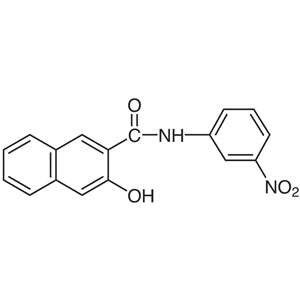
- TCI H0314 135-65-9 3-Hydroxy-3'-nitro-2-naphthanilide
- TCI C2103 92-78-4 4'-Chloro-3-hydroxy-2-naphthanilide
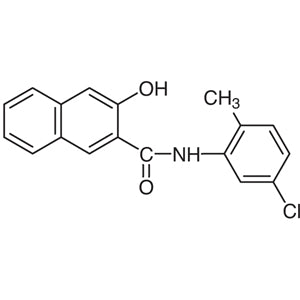
- TCI C2102 135-63-7 5'-Chloro-3-hydroxy-2'-methyl-2-naphthanilide
- TCI H1578 39604-68-7 2'-Hydroxy-4',6'-dimethoxy-2-(4-methoxyphenyl)acetophenone
- TCI H1577 39604-66-5 2'-Hydroxy-4',6'-dimethoxy-2-phenylacetophenone
- Azo dye synthesis: this compound acts as a coupling component that reacts with diazonium salts to form stable azo bonds, enabling the construction of colored dye molecules for research.
- Pigment development: the hydroxy, chloro, and methoxy functional groups allow fine-tuning of electronic properties, supporting the design of pigments with targeted color characteristics.
- Analytical method calibration: its well-defined structure makes it a suitable reference intermediate for validating analytical procedures that involve azo coupling reactions.
- Building block screening: as a non-heterocyclic building block, it fits into synthetic libraries used to explore new coupling partners and reaction conditions.
- Academic teaching syntheses: its predictable reactivity makes it a practical substrate for organic chemistry practical sessions that demonstrate diazonium coupling chemistry.
| Brand | TCI |
|---|---|
| CAS number | 92-72-8 |
| Molecular formula | — |
| Purity | — |
| Category | Chemistry > Building Blocks > Non-Heterocyclic Building Blocks |
| Pack sizes | — |
| Physical form | — |
| Storage | keep container tightly closed and store in a cool, dry place away from direct light |
- Product reference: TCI C2101
- Chemical name: 5'-Chloro-3-hydroxy-2',4'-dimethoxy-2-naphthanilide
The compound should be stored under usual laboratory conditions for organic building blocks, meaning a cool, dry area with the original container kept tightly sealed to protect the material from moisture and contamination. Suitable containers are the original manufacturer packaging or clean, dry glass containers with secure closures, since prolonged exposure to air and humidity may affect the quality of the substance. When handling the material, standard laboratory precautions apply: wear appropriate personal protective equipment such as laboratory gloves and safety glasses, and work in a well-ventilated area or fume hood, particularly when weighing and transferring the powder. Avoid contact with skin and eyes, and do not ingest the material. Keep the work area clean and ensure the substance is not mixed with incompatible reagents. Dispose of any waste in accordance with institutional regulations, and always consult the safety data sheet supplied by the manufacturer for detailed hazard information before use.
—
Product Categories
- Building BlocksNon-Heterocyclic Building BlocksCarbonyl Compounds [Non-Heterocyclic Building Blocks]
- Building BlocksNon-Heterocyclic Building BlocksOxygen Compounds [Non-Heterocyclic Building Blocks]
- Stains and Dyes (for Research and Experimental Use)Dye Intermediates (for Research and Experimental Use)
Produk Terkait
-
3-Hydroxy-2'-methyl-2-naphthanilide TCI H0315
Regular price From Rp 1.087.800,00Regular price -
3-Hydroxy-3'-nitro-2-naphthanilide TCI H0314
Regular price Rp 477.750,00Regular price -
4'-Chloro-3-hydroxy-2-naphthanilide TCI C2103
Regular price Rp 1.749.300,00Regular price -
5'-Chloro-3-hydroxy-2'-methyl-2-naphthanilide TCI C2102
Regular price Rp 1.618.050,00Regular price -
2'-Hydroxy-4',6'-dimethoxy-2-(4-methoxyphenyl)acetophenone TCI H1578
Regular price From Rp 1.776.600,00Regular price -
2'-Hydroxy-4',6'-dimethoxy-2-phenylacetophenone TCI H1577
Regular price From Rp 1.326.150,00Regular price -
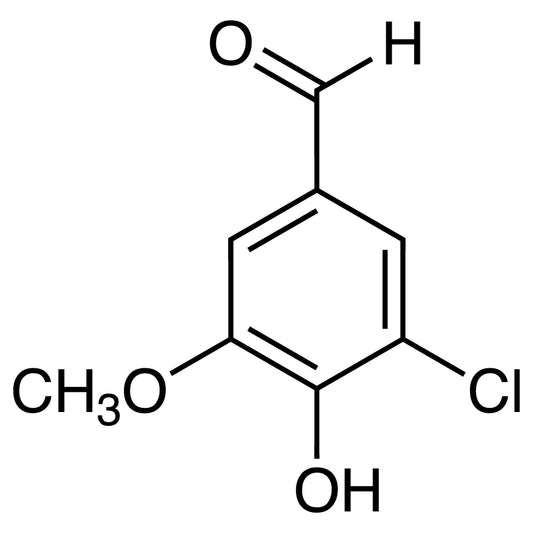
3-Chloro-4-hydroxy-5-methoxybenzaldehyde TCI C3987
Regular price From Rp 955.500,00Regular price -
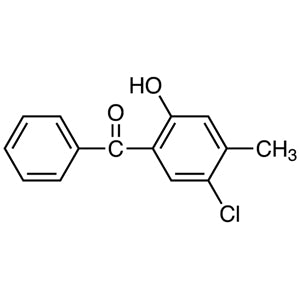
5-Chloro-2-hydroxy-4-methylbenzophenone TCI C3260
Regular price From Rp 1.220.100,00Regular price