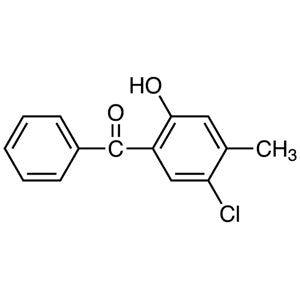
5-Chloro-2-hydroxy-4-methylbenzophenone is a versatile organic compound widely used in laboratory settings for the synthesis of complex molecules. As a key building block in organic chemistry, it plays a crucial role in the development of aromatic compounds and their derivatives. Its structural features, including the hydroxyl and chloro groups, make it highly reactive and suitable for various chemical transformations. This compound is particularly valued for its stability and compatibility with a wide range of reaction conditions, making it an essential component in synthetic pathways.
The compound’s unique molecular structure, consisting of an aromatic ring and functional groups, allows it to participate in multiple reaction types such as substitution and condensation. These properties contribute to its effectiveness in creating new chemical entities with specific functionalities. Its chemical versatility and reactivity make it a preferred choice for researchers aiming to develop compounds with tailored properties. The compound’s ability to undergo diverse chemical transformations enhances its utility in both academic and industrial research environments.
In Indonesian laboratories, 5-Chloro-2-hydroxy-4-methylbenzophenone is frequently used in the synthesis of bioactive compounds, particularly in pharmaceutical and chemical research. It is a common reagent in academic institutions and research centers, supporting studies in organic chemistry and pharmacology. Its presence in various research programs highlights its importance in advancing scientific knowledge and developing new materials and drugs.
Related TCI products
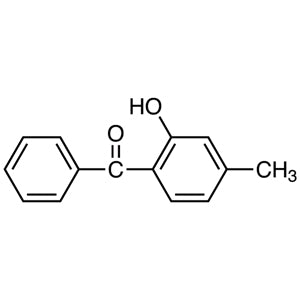
- TCI H1575 3098-18-8 2-Hydroxy-4-methylbenzophenone
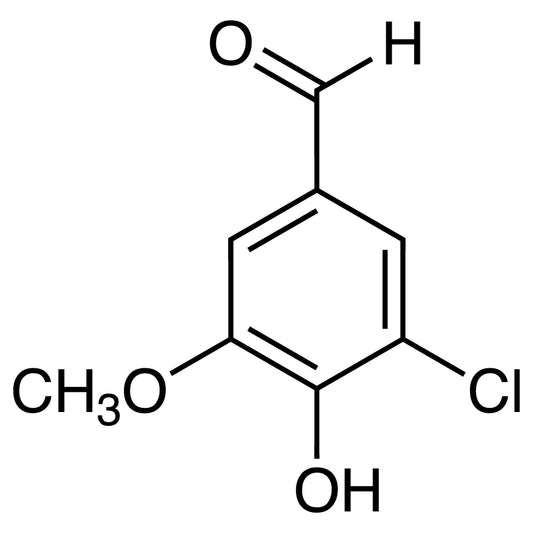
- TCI C3987 19463-48-0 3-Chloro-4-hydroxy-5-methoxybenzaldehyde
- TCI C2103 92-78-4 4'-Chloro-3-hydroxy-2-naphthanilide
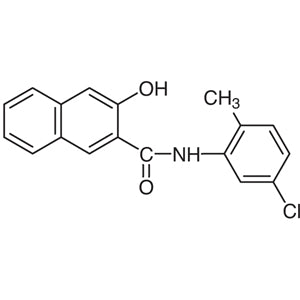
- TCI C2102 135-63-7 5'-Chloro-3-hydroxy-2'-methyl-2-naphthanilide
- TCI C2101 92-72-8 5'-Chloro-3-hydroxy-2',4'-dimethoxy-2-naphthanilide
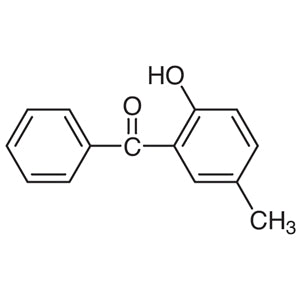
- TCI H1008 1470-57-1 2-Hydroxy-5-methylbenzophenone
- Organic synthesis is a key application where this compound is used to build complex molecular structures due to its reactivity and functional group versatility.
- Pharmaceutical research benefits from its use in the development of bioactive compounds, as it can be modified to create drug-like molecules with specific therapeutic properties.
- Material science applications leverage its aromatic structure and functional groups to create polymers and coatings with enhanced chemical resistance.
- Analytical chemistry uses it as a standard for spectroscopic and chromatographic analysis due to its well-defined molecular structure and stability.
- Environmental studies incorporate it in the investigation of chemical degradation pathways and the behavior of aromatic compounds in different environments.
| Brand | TCI |
|---|---|
| CAS number | 68751-90-6 |
| Molecular formula | — |
| Purity | — |
| Category | Chemistry > Building Blocks > Non-Heterocyclic Building Blocks |
| Pack sizes | Available in various quantities as per supplier specifications |
| Physical form | Solid, crystalline appearance |
| Storage | Store in a cool, dry place away from light and moisture |
This compound should be stored in a cool, dry environment, away from direct light and moisture to maintain its chemical integrity. It is recommended to use airtight containers made of materials such as glass or high-density polyethylene to prevent contamination and degradation. Due to its reactivity, it should be handled with care using appropriate personal protective equipment, including gloves and safety goggles. In laboratory settings, it should be stored separately from strong oxidizing agents to avoid potential chemical interactions. Proper labeling and storage conditions are essential to ensure safe handling and long-term stability of the compound.
—
Produk Terkait
-
2-Hydroxy-4-methylbenzophenone TCI H1575
Regular price From Rp 1.115.100,00Regular price -
3-Chloro-4-hydroxy-5-methoxybenzaldehyde TCI C3987
Regular price From Rp 955.500,00Regular price -
4'-Chloro-3-hydroxy-2-naphthanilide TCI C2103
Regular price Rp 1.749.300,00Regular price -
5'-Chloro-3-hydroxy-2'-methyl-2-naphthanilide TCI C2102
Regular price Rp 1.618.050,00Regular price -
5'-Chloro-3-hydroxy-2',4'-dimethoxy-2-naphthanilide TCI C2101
Regular price Rp 928.200,00Regular price -
2-Hydroxy-5-methylbenzophenone TCI H1008
Regular price From Rp 1.298.850,00Regular price -
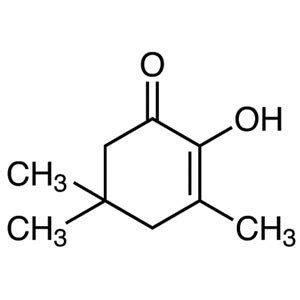
2-Hydroxy-3,5,5-trimethyl-2-cyclohexen-1-one TCI T2723
Regular price Rp 1.273.650,00Regular price -
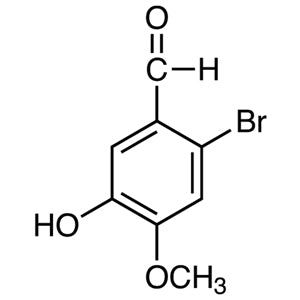
2-Bromo-5-hydroxy-4-methoxybenzaldehyde TCI B4681
Regular price Rp 4.293.450,00Regular price