5'-Chloro-3-hydroxy-2'-methyl-2-naphthanilide is a chemical compound widely used in organic synthesis reactions within laboratory settings. As a building block, it plays a crucial role in the development of complex molecular structures. This compound is commonly found in the synthesis of various compounds, including pharmaceuticals, dyes, and industrial chemicals. Its versatility makes it an essential material for researchers aiming to create new chemical entities.
The compound's aromatic structure provides stability, while the presence of hydroxyl and chloro groups enhances its reactivity. These functional groups allow for controlled manipulation in different chemical conditions, making it ideal for substitution reactions and other synthetic processes. Its chemical stability and reactivity make it a preferred choice for chemists working on compound development and modification.
In Indonesian laboratories, 5'-Chloro-3-hydroxy-2'-methyl-2-naphthanilide is utilized in organic chemistry research, particularly in the synthesis of bioactive compounds. It is frequently used in academic and research institutions to explore new synthetic techniques and expand knowledge in chemical sciences. Its application supports the development of new materials and pharmaceuticals, contributing to scientific innovation in the region.
Related TCI products
- TCI H0315 135-61-5 3-Hydroxy-2'-methyl-2-naphthanilide
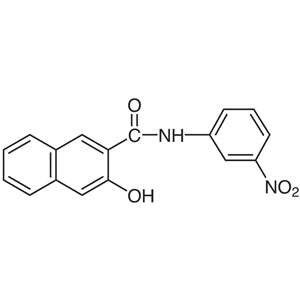
- TCI H0314 135-65-9 3-Hydroxy-3'-nitro-2-naphthanilide
- TCI C2103 92-78-4 4'-Chloro-3-hydroxy-2-naphthanilide
- TCI C2101 92-72-8 5'-Chloro-3-hydroxy-2',4'-dimethoxy-2-naphthanilide
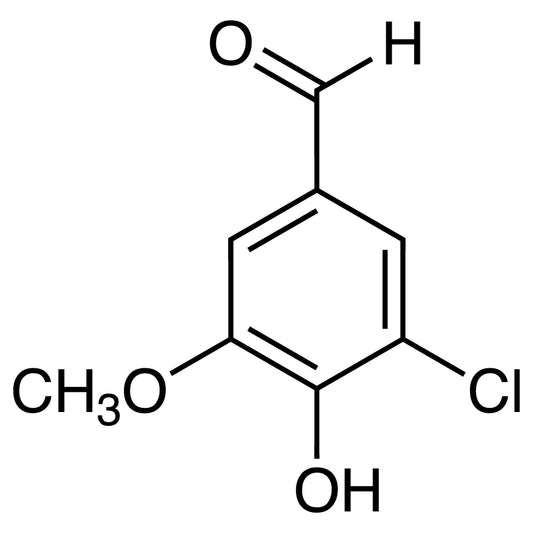
- TCI C3987 19463-48-0 3-Chloro-4-hydroxy-5-methoxybenzaldehyde
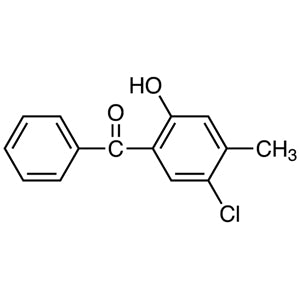
- TCI C3260 68751-90-6 5-Chloro-2-hydroxy-4-methylbenzophenone
- Synthesis of bioactive compounds for pharmaceutical development due to its reactivity and structural versatility.
- Aromatic substitution reactions where stable core structures are required for further functionalization.
- Organic chemistry research focused on creating new chemical entities with tailored properties.
- Development of industrial dyes and pigments through controlled chemical modifications.
- Exploration of novel synthetic pathways in academic and research laboratories for chemical innovation.
| Brand | TCI |
|---|---|
| CAS number | 135-63-7 |
| Molecular formula | — |
| Purity | — |
| Category | Chemistry > Building Blocks > Non-Heterocyclic Building Blocks |
| Pack sizes | Available in standard laboratory quantities |
| Physical form | Solid |
| Storage | Store in a cool, dry place away from light and moisture |
This compound should be stored in a cool, dry environment, away from direct sunlight and moisture. It is recommended to use airtight containers to prevent exposure to air and humidity. Due to its chemical nature, it should be handled with appropriate personal protective equipment, such as gloves and safety goggles. Ensure that storage areas are well-ventilated to minimize any potential risk of inhalation. Avoid contact with incompatible materials to maintain chemical stability. Regular monitoring of storage conditions ensures the integrity and safety of the compound in laboratory settings.
—
Product Categories
- Building BlocksNon-Heterocyclic Building BlocksCarbonyl Compounds [Non-Heterocyclic Building Blocks]
- Building BlocksNon-Heterocyclic Building BlocksOxygen Compounds [Non-Heterocyclic Building Blocks]
- Stains and Dyes (for Research and Experimental Use)Dye Intermediates (for Research and Experimental Use)
Produk Terkait
-
3-Hydroxy-2'-methyl-2-naphthanilide TCI H0315
Regular price From Rp 1.087.800,00Regular price -
3-Hydroxy-3'-nitro-2-naphthanilide TCI H0314
Regular price Rp 477.750,00Regular price -
4'-Chloro-3-hydroxy-2-naphthanilide TCI C2103
Regular price Rp 1.749.300,00Regular price -
5'-Chloro-3-hydroxy-2',4'-dimethoxy-2-naphthanilide TCI C2101
Regular price Rp 928.200,00Regular price -
3-Chloro-4-hydroxy-5-methoxybenzaldehyde TCI C3987
Regular price From Rp 955.500,00Regular price -
5-Chloro-2-hydroxy-4-methylbenzophenone TCI C3260
Regular price From Rp 1.220.100,00Regular price -
3-Hydroxy-N-(2-naphthyl)-2-naphthamide TCI H0319
Regular price Rp 2.094.750,00Regular price -
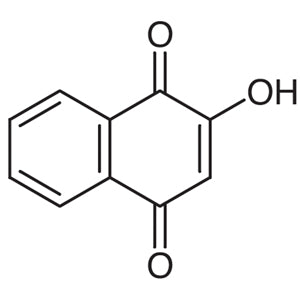
2-Hydroxy-1,4-naphthoquinone TCI H0285
Regular price From Rp 1.538.250,00Regular price