3-Hydroxy-N-(2-naphthyl)-2-naphthamide is a chemical compound widely used in laboratory settings for its versatility in chemical synthesis and molecular modification. This compound serves as a key building block in the development of complex molecules and functional groups, enabling researchers to create new compounds with specific properties. Its unique structure allows it to participate in various chemical reactions, including substitution and addition reactions, making it a valuable tool for synthetic chemists.
The compound’s chemical properties, including its stability under controlled conditions and high reactivity due to its complex molecular structure, make it a preferred choice for advanced chemical research. Its ability to undergo diverse reactions and its compatibility with multiple synthetic pathways contribute to its popularity among researchers. Additionally, its molecular structure provides opportunities for functional group modification, which is essential in the design of new compounds with targeted applications.
In Indonesian laboratories, 3-Hydroxy-N-(2-naphthyl)-2-naphthamide is commonly used in organic chemistry research, particularly in the synthesis of heterocyclic compounds and bioactive molecules. Its role in structural modification and compound development makes it a staple in laboratories focused on drug discovery and chemical innovation. The compound is frequently utilized in academic and industrial research settings where precise chemical manipulation is required.
Related TCI products
- TCI N1315 2243-82-5 2-Naphthamide
- TCI H0315 135-61-5 3-Hydroxy-2'-methyl-2-naphthanilide
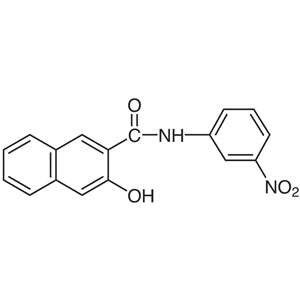
- TCI H0314 135-65-9 3-Hydroxy-3'-nitro-2-naphthanilide
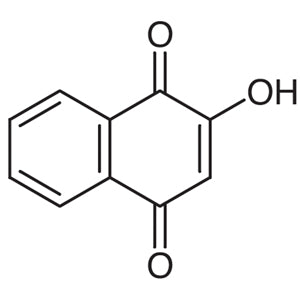
- TCI H0285 83-72-7 2-Hydroxy-1,4-naphthoquinone
- TCI C2103 92-78-4 4'-Chloro-3-hydroxy-2-naphthanilide
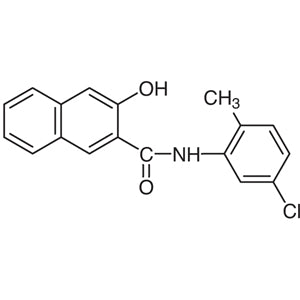
- TCI C2102 135-63-7 5'-Chloro-3-hydroxy-2'-methyl-2-naphthanilide
- Organic synthesis of heterocyclic compounds due to its structural versatility and reactivity.
- Modification of molecular frameworks for the development of bioactive compounds and pharmaceuticals.
- Research into functional group chemistry for the creation of new chemical entities with specific properties.
- Development of complex molecules in academic and industrial research settings requiring precise synthetic strategies.
- Investigation of chemical reactivity patterns in molecular design and compound optimization processes.
| Brand | TCI |
|---|---|
| CAS number | 135-64-8 |
| Molecular formula | — |
| Purity | — |
| Category | Chemistry > Building Blocks > Non-Heterocyclic Building Blocks |
| Pack sizes | Available in standard laboratory quantities |
| Physical form | Solid (exact form may vary depending on supplier) |
| Storage | Store in a cool, dry place away from direct light and moisture |
This compound should be stored in a cool, dry environment to maintain its chemical stability. It is recommended to use airtight containers to prevent exposure to moisture and air, which may affect its reactivity. Due to its sensitivity to environmental conditions, it should be kept away from heat sources and direct sunlight. Laboratory personnel should handle the compound with care, using appropriate personal protective equipment to ensure safety. Proper storage and handling are essential to preserve its chemical integrity and ensure its effectiveness in research applications.
—
Product Categories
- Building BlocksNon-Heterocyclic Building BlocksCarbonyl Compounds [Non-Heterocyclic Building Blocks]
- Building BlocksNon-Heterocyclic Building BlocksOxygen Compounds [Non-Heterocyclic Building Blocks]
- Stains and Dyes (for Research and Experimental Use)Dye Intermediates (for Research and Experimental Use)
Produk Terkait
-
2-Naphthamide TCI N1315
Regular price From Rp 875.700,00Regular price -
3-Hydroxy-2'-methyl-2-naphthanilide TCI H0315
Regular price From Rp 1.087.800,00Regular price -
3-Hydroxy-3'-nitro-2-naphthanilide TCI H0314
Regular price Rp 477.750,00Regular price -
2-Hydroxy-1,4-naphthoquinone TCI H0285
Regular price From Rp 1.538.250,00Regular price -
4'-Chloro-3-hydroxy-2-naphthanilide TCI C2103
Regular price Rp 1.749.300,00Regular price -
5'-Chloro-3-hydroxy-2'-methyl-2-naphthanilide TCI C2102
Regular price Rp 1.618.050,00Regular price -
5'-Chloro-3-hydroxy-2',4'-dimethoxy-2-naphthanilide TCI C2101
Regular price Rp 928.200,00Regular price -
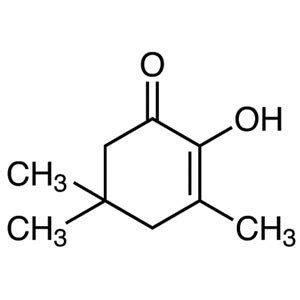
2-Hydroxy-3,5,5-trimethyl-2-cyclohexen-1-one TCI T2723
Regular price Rp 1.273.650,00Regular price