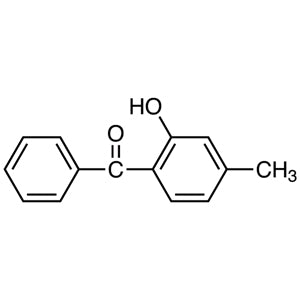
2-Hydroxy-4-methylbenzophenone is a chemical compound widely used in laboratory settings, particularly in organic synthesis. This compound is a key building block in the development of various organic molecules due to its unique structural features. It consists of a benzophenone core with hydroxyl and methyl groups attached, which contribute to its reactivity and versatility in chemical reactions. Its role in the laboratory is essential for the creation of phenolic compounds, resins, and active ingredients in cosmetic formulations.
The compound’s chemical properties make it a preferred choice for many applications. It exhibits stability under certain conditions but reacts strongly to ultraviolet light and high temperatures. This reactivity is advantageous in photochemical reactions and polymerization processes. Additionally, its solubility in organic solvents such as ethyl acetate and chloroform enhances its usability in a variety of experimental setups. Its ability to act as a photoinitiator and photoinhibitor further solidifies its importance in specialized chemical applications.
In Indonesian laboratories, 2-Hydroxy-4-methylbenzophenone is commonly used in organic chemistry research, the development of new chemical materials, and pharmaceutical applications. Its reactivity and functional versatility make it a valuable tool for both academic and industrial research. It is also integral in the formulation of cosmetic ingredients and other specialty chemicals, supporting innovation in various scientific fields.
Related TCI products
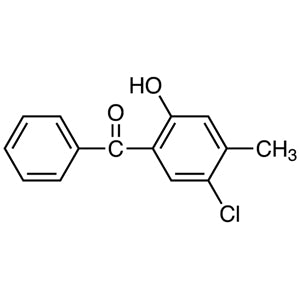
- TCI C3260 68751-90-6 5-Chloro-2-hydroxy-4-methylbenzophenone
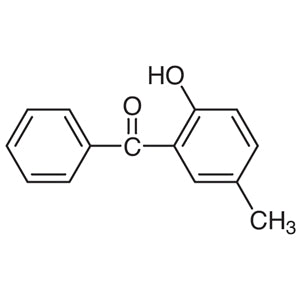
- TCI H1008 1470-57-1 2-Hydroxy-5-methylbenzophenone
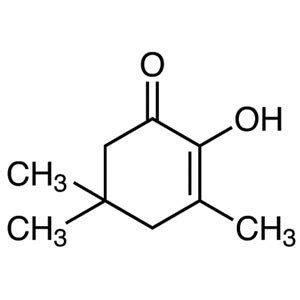
- TCI T2723 4883-60-7 2-Hydroxy-3,5,5-trimethyl-2-cyclohexen-1-one
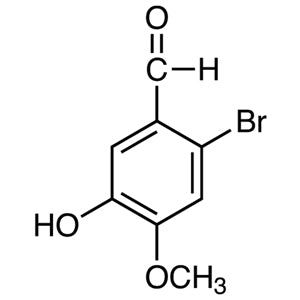
- TCI B4681 2973-59-3 2-Bromo-5-hydroxy-4-methoxybenzaldehyde
- TCI B3229 2208-15-3 4-Bromo-3-hydroxy-2-naphthoic Acid
- TCI B3180 1779-11-9 7-Bromo-3-hydroxy-2-naphthoic Acid
- Organic synthesis: Used for the creation of phenolic compounds and other complex molecules due to its reactivity and structural versatility.
- Cosmetic formulation: Acts as an active ingredient in cosmetic products due to its photoinhibiting properties and chemical stability.
- Photochemical reactions: Serves as a photoinitiator in reactions requiring light-induced chemical transformations.
- Polymerization processes: Utilized in polymerization reactions to initiate or control the formation of polymer chains.
- Pharmaceutical development: Employed in the synthesis of active pharmaceutical ingredients due to its chemical adaptability and functional groups.
| Brand | TCI |
|---|---|
| CAS number | 3098-18-8 |
| Molecular formula | — |
| Purity | — |
| Category | Chemistry > Building Blocks > Non-Heterocyclic Building Blocks |
| Pack sizes | Available in various quantities as per supplier specifications |
| Physical form | Solid |
| Storage | Store in a cool, dark place away from direct sunlight and heat sources |
This compound should be stored in a cool, dry, and well-ventilated area, away from direct sunlight and heat sources to maintain its chemical stability. It is recommended to use airtight containers made of glass or high-density polyethylene to prevent contamination and degradation. Due to its reactivity towards ultraviolet light, it should be kept in a dark storage cabinet or under a light shield. Always handle with appropriate personal protective equipment, such as gloves and safety goggles, to ensure laboratory safety. Avoid exposure to high temperatures and ensure proper ventilation when working with this compound to minimize potential hazards.
—
Produk Terkait
-
5-Chloro-2-hydroxy-4-methylbenzophenone TCI C3260
Regular price From Rp 1.220.100,00Regular price -
2-Hydroxy-5-methylbenzophenone TCI H1008
Regular price From Rp 1.298.850,00Regular price -
2-Hydroxy-3,5,5-trimethyl-2-cyclohexen-1-one TCI T2723
Regular price Rp 1.273.650,00Regular price -
2-Bromo-5-hydroxy-4-methoxybenzaldehyde TCI B4681
Regular price Rp 4.293.450,00Regular price -
4-Bromo-3-hydroxy-2-naphthoicAcid TCI B3229
Regular price From Rp 2.174.550,00Regular price -
7-Bromo-3-hydroxy-2-naphthoicAcid TCI B3180
Regular price From Rp 769.650,00Regular price -
2-Hydroxy-6-methylbenzoicAcid TCI M3737
Regular price From Rp 2.332.050,00Regular price -
Methyl4-Hydroxy-3,5-dimethoxybenzoate TCI M2806
Regular price From Rp 1.193.850,00Regular price