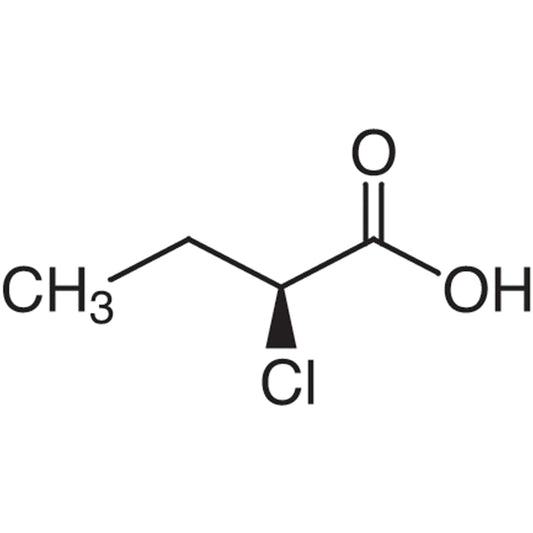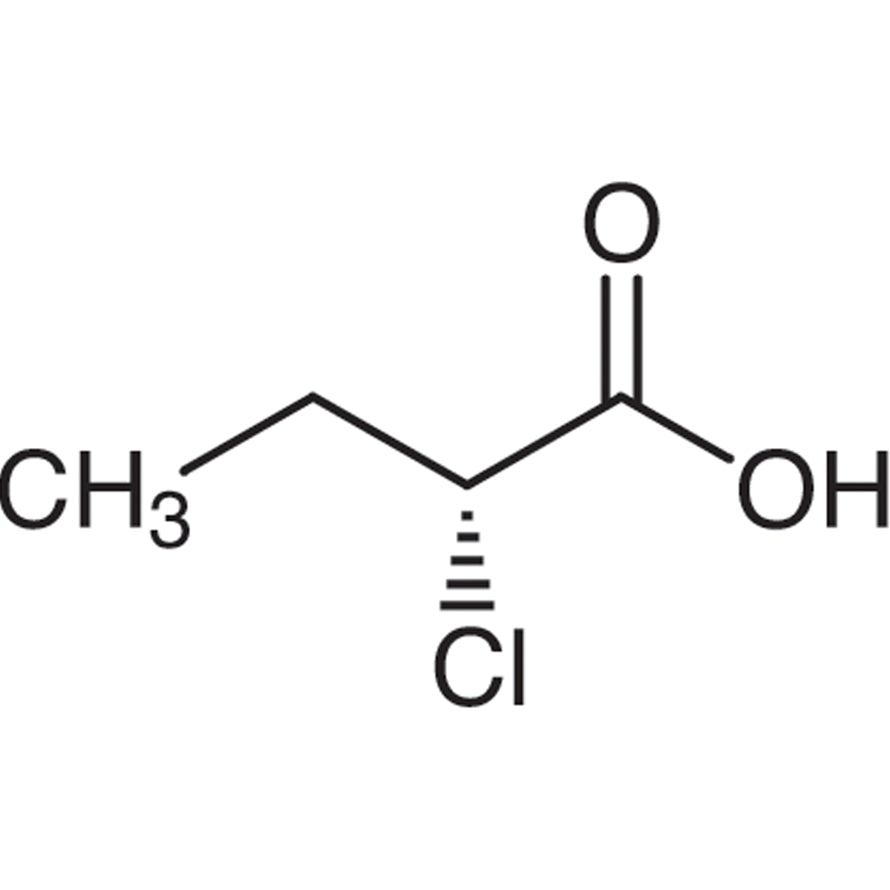
(R)-2-Chlorobutyric Acid is an organic compound widely used in chemical and materials research. It plays a crucial role in laboratory settings, particularly in the synthesis of complex molecules. As a key building block in the development of liquid crystal materials, it enables the creation of substances with unique properties such as responsiveness to electric or magnetic fields. This compound is essential for researchers working in the fields of organic chemistry and materials science, where precision and consistency are paramount. Its versatility makes it a valuable asset in various experimental processes.
The compound's stable molecular structure and ability to participate in diverse chemical reactions make it a preferred choice for researchers. It exhibits good solubility in organic solvents, which simplifies processing and synthesis procedures. These characteristics allow for efficient and reproducible results in laboratory experiments. Additionally, its chemical properties ensure compatibility with a wide range of reagents and reaction conditions, enhancing its utility in both academic and industrial research environments.
In Indonesian laboratories, (R)-2-Chlorobutyric Acid is commonly used in material science, organic chemistry, and liquid crystal technology research. It supports the development of innovative materials with applications in electro-optics and display technologies. Many research institutions and universities in Indonesia rely on this compound to advance their scientific studies and contribute to technological progress in the region.
- Liquid Crystal Research: This compound is essential for synthesizing liquid crystal materials due to its structural compatibility and ability to form ordered molecular arrangements.
- Organic Synthesis: Its reactivity and solubility make it ideal for a variety of organic reactions, including esterification and amidation processes.
- Electro-Optic Material Development: It is used in the creation of materials that respond to electric fields, enabling applications in advanced display technologies.
- Material Science Investigations: Its role in building block chemistry supports the development of new materials with tailored physical properties.
- Academic Research Projects: Widely used in Indonesian universities for teaching and research, it provides a reliable and consistent reagent for experimental studies.
| Brand | TCI |
|---|---|
| CAS number | 54053-45-1 |
| Molecular formula | — |
| Purity | — |
| Category | Materials Science > Material Building Blocks > Liquid Crystal (LC) Building Blocks |
| Pack sizes | As per supplier specifications |
| Physical form | Liquid |
| Storage | Store in a cool, dry place away from light |
(R)-2-Chlorobutyric Acid should be stored in a cool, dry environment, away from direct sunlight and sources of heat. It is recommended to keep it in a sealed container to prevent moisture absorption and maintain its chemical integrity. Due to its organic nature, it should be handled in a well-ventilated area to minimize exposure. Appropriate personal protective equipment, such as gloves and safety goggles, should be worn when handling the compound. It is important to avoid contact with skin and eyes, and to follow standard laboratory safety protocols to ensure safe usage and storage.
—
Produk Terkait
-
(S)-2-ChlorobutyricAcid TCI C1377
Regular price From Rp 2.571.450,00Regular price -
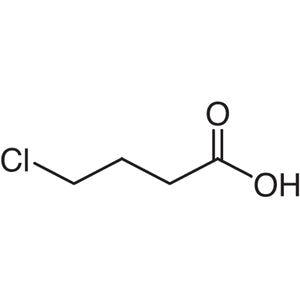
4-ChlorobutyricAcid TCI C0651
Regular price From Rp 1.856.400,00Regular price -
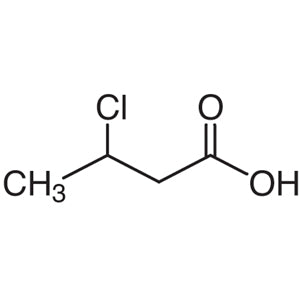
3-ChlorobutyricAcid TCI C0147
Regular price From Rp 2.704.800,00Regular price -
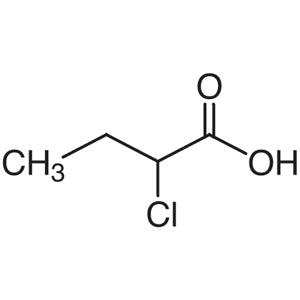
2-ChlorobutyricAcid TCI C0146
Regular price From Rp 2.809.800,00Regular price -
4-ChlorobutylBenzoate TCI B1399
Regular price From Rp 769.650,00Regular price -
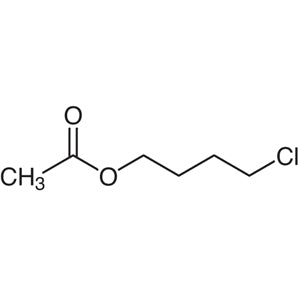
4-ChlorobutylAcetate TCI A1098
Regular price From Rp 1.060.500,00Regular price -
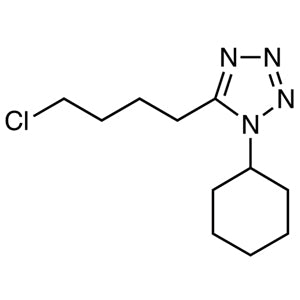
1-Cyclohexyl-5-(4-chlorobutyl)-1H-tetrazole TCI C2013
Regular price Rp 1.590.750,00Regular price -
5-(4-Chlorobutyl)hydantoin TCI C0902
Regular price From Rp 1.565.550,00Regular price