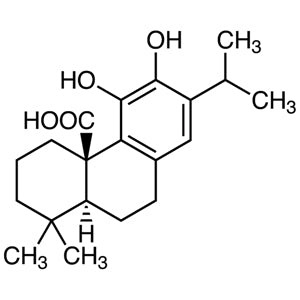
Carnosic Acid (TCI C2488) is a synthetic compound widely used in scientific research, particularly in biochemical and pharmacological studies. Derived from sage leaves, this compound plays a crucial role in laboratories where researchers investigate antioxidant, anti-inflammatory, and pharmacological properties. Its molecular structure is complex, making it a valuable reagent for various experimental applications. Carnosic Acid is commonly used as a building block in the synthesis of other compounds or as a test material in studies related to health and environmental science. Its chemical stability and solubility in organic solvents make it a versatile choice for a wide range of experimental procedures.
This compound is preferred due to its chemical stability, solubility in organic solvents, and consistent purity. Its ability to interact with free radicals makes it ideal for assessing antioxidant activity in chemical reactions and biological systems. The availability of Carnosic Acid in pure form and precise concentrations ensures accuracy and reliability in research settings. These properties make it a reliable and essential component in many laboratory protocols, especially those involving oxidative stress studies and pharmacological testing.
In Indonesian laboratories, Carnosic Acid is frequently used in research related to health, environmental science, and pharmacology. It is a common material in studies focused on natural products, drug development, and bioactive compound analysis. Its role in assessing antioxidant and anti-inflammatory effects supports its use in both academic and industrial research environments. The compound’s versatility and reliability make it a preferred choice for researchers seeking precise and reproducible results.
- Antioxidant Activity Testing: Carnosic Acid is used to evaluate the scavenging ability of free radicals in biological and chemical systems.
- Pharmacological Research: It serves as a key reagent in studies investigating the therapeutic potential of natural compounds.
- Environmental Toxicology Studies: Carnosic Acid helps assess the impact of pollutants on biological systems and oxidative stress.
- Drug Development and Synthesis: It is used as a building block in the synthesis of novel compounds with potential therapeutic applications.
- Bioactive Compound Analysis: It is employed in the identification and quantification of bioactive components in plant extracts and natural products.
| Brand | TCI |
|---|---|
| CAS number | 3650-09-7 |
| Molecular formula | — |
| Purity | — |
| Category | Life Science > Biochemicals and Reagents > Crude Medicine Ingredients for Research and Experimental Use |
| Pack sizes | Available in various quantities as per standard laboratory requirements |
| Physical form | Solid powder |
| Storage | Store in a cool, dry place away from light and moisture |
Carnosic Acid should be stored in a cool, dry place, away from direct light and moisture to maintain its chemical stability. It is recommended to use airtight containers made of glass or polyethylene to prevent contamination and degradation. Due to its organic nature, it should be handled with care, using appropriate personal protective equipment such as gloves and safety goggles. It is important to ensure that the storage area is well-ventilated to minimize exposure to airborne particles. Regular monitoring of storage conditions is advised to maintain the integrity of the compound for experimental use. Proper labeling and safe handling procedures are essential to prevent accidental spills or contamination in the laboratory environment.
—
Produk Terkait
-
tert-Butyl12-Hydroxy-4,7,10-trioxadodecanoate TCI B5587
Regular price From Rp 2.279.550,00Regular price -
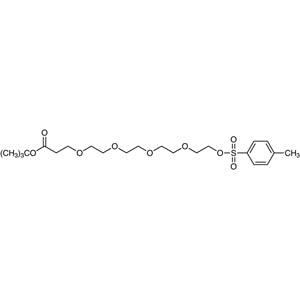
tert-Butyl1-(Tosyloxy)-3,6,9,12-tetraoxapentadecan-15-oate TCI B5902
Regular price From Rp 5.539.800,00Regular price -
1,6-Bis(4-carboxyphenoxy)hexane TCI B6150
Regular price From Rp 2.625.000,00Regular price -
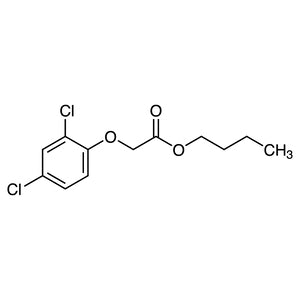
Butyl2-(2,4-Dichlorophenoxy)acetate TCI B6492
Regular price Rp 2.969.400,00Regular price -
tert-Butyl4-[4-(1-Hydroxyethyl)-2-methoxy-5-nitrophenoxy]butanoate TCI B6668
Regular price Rp 8.082.900,00Regular price -
tert-Butyl4-(4-Acetyl-2-methoxy-5-nitrophenoxy)butanoate TCI B6669
Regular price Rp 4.957.050,00Regular price -
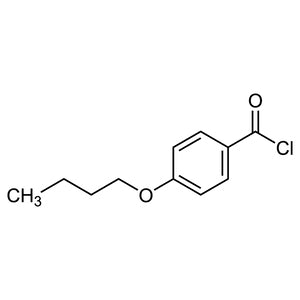
4-ButoxybenzoylChloride TCI B6724
Regular price Rp 3.312.750,00Regular price


![tert-Butyl 4-[4-(1-Hydroxyethyl)-2-methoxy-5-nitrophenoxy]butanoate (CAS 1410809-16-3) - TCI B6668 - AMI Scientific](http://amiscientific.com/cdn/shop/files/TCI2510B6668.jpg?v=1767094102&width=533)