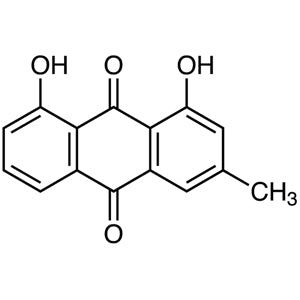
Chrysophanic Acid is a chemical compound widely used in various chemical experiments and scientific research. As a non-heterocyclic building block, it possesses a simple molecular structure yet holds significant potential for the synthesis of complex compounds. This compound is commonly utilized as a foundational material in the development of bioactive substances, including pharmaceuticals and antioxidants. In laboratory settings, it plays a crucial role in qualitative and quantitative analysis, aiding in the identification of specific compounds within samples. Its chemical stability under certain conditions makes it a reliable and versatile material for a wide range of chemical reactions.
Chrysophanic Acid is preferred due to its chemical stability, high reactivity, and consistent quality. Its ability to remain intact without easily degrading ensures predictable results in experimental processes. The compound’s high purity and consistent quality make it a trusted choice for researchers requiring precise and reliable materials. Its reactivity allows it to participate effectively in various synthetic pathways, making it suitable for diverse chemical applications. These properties contribute to its popularity among scientists and researchers working in both academic and industrial laboratories.
In Indonesian laboratories, Chrysophanic Acid is commonly used in scientific research, particularly in the fields of organic chemistry and pharmacy. It supports studies related to drug development, compound synthesis, and analytical chemistry. Its availability and reliability make it a key component in many research projects, ensuring accurate and reproducible results. The compound’s role in both basic and applied research underscores its importance in the scientific community in Indonesia.
- Organic synthesis applications benefit from Chrysophanic Acid’s reactivity and structural versatility, enabling the creation of complex molecules.
- Pharmaceutical research utilizes this compound as a building block for developing bioactive compounds and drug candidates.
- Analytical chemistry relies on Chrysophanic Acid for identifying and quantifying specific compounds in samples due to its chemical stability.
- Bioactive compound development leverages its properties to synthesize antioxidants and other therapeutic agents.
- Environmental studies may use Chrysophanic Acid to analyze organic pollutants and their interactions in natural samples.
| Brand | TCI |
|---|---|
| CAS number | 481-74-3 |
| Molecular formula | — |
| Purity | — |
| Category | Chemistry > Building Blocks > Non-Heterocyclic Building Blocks |
| Pack sizes | Available in various quantities as per supplier specifications |
| Physical form | Solid |
| Storage | Store in a cool, dry place away from direct sunlight and moisture |
Chrysophanic Acid should be stored in a cool, dry environment to maintain its chemical stability and prevent degradation. It is recommended to keep it in airtight containers to avoid exposure to moisture and air, which could affect its purity. Laboratory personnel should handle the compound with care, using appropriate personal protective equipment such as gloves and safety goggles. Due to its reactivity, it should be stored separately from incompatible substances to prevent unwanted chemical reactions. Proper labeling of storage containers is essential to ensure safe handling and easy identification. Regular monitoring of storage conditions helps maintain the compound’s integrity and ensures its suitability for scientific use.
—
Produk Terkait
-
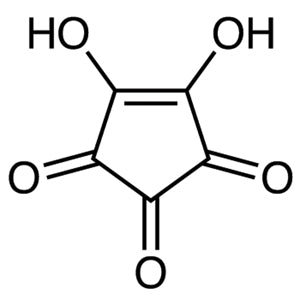
CroconicAcid TCI C1483
Regular price From Rp 7.684.950,00Regular price -
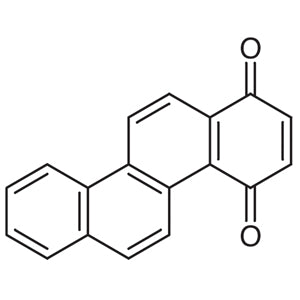
1,4-Chrysenequinone TCI C2214
Regular price Rp 2.359.350,00Regular price -
2,5-Di-tert-butyl-1,4-benzoquinone TCI D0178
Regular price Rp 4.161.150,00Regular price -
Alizarin TCI D0242
Regular price Rp 1.115.100,00Regular price -
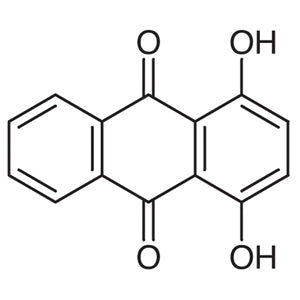
Quinizarin TCI D0243
Regular price From Rp 769.650,00Regular price -
Anthrarufin TCI D0562
Regular price Rp 1.060.500,00Regular price -
Chrysazin TCI D0563
Regular price Rp 3.843.000,00Regular price