

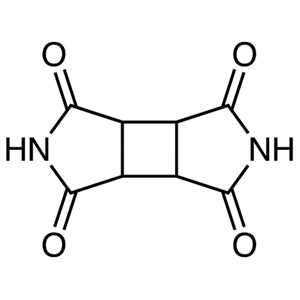
1,2,3,4-Cyclobutanetetracarboxdiimide is a chemical compound widely used in laboratory settings for the synthesis of complex molecules. This compound features a cyclic structure with four carboxyl groups attached to carbon atoms and two nitrogen atoms forming a diimide structure. Its unique molecular architecture makes it a valuable building block in organic chemistry. It is commonly used in molecular modification reactions and the formation of heterocyclic compounds. Due to its reactivity and stability, it is a preferred choice for researchers working on advanced chemical synthesis.
The compound’s reactivity is primarily attributed to its carboxyl groups and diimide nitrogen atoms, which participate in various chemical reactions. Its cyclic structure provides a degree of stability, allowing it to be used under a range of reaction conditions. These properties make it highly sought after in organic synthesis, especially in reactions such as Diels-Alder and substitution reactions. Additionally, its chemical characteristics make it useful in the study of bioactive compounds, supporting research in pharmaceutical and medicinal chemistry.
In Indonesian laboratories, 1,2,3,4-Cyclobutanetetracarboxdiimide is utilized in a variety of chemical research projects. It is frequently employed in the synthesis of new compounds, the development of pharmaceutical intermediates, and the investigation of bioactive molecules. Its availability and chemical versatility make it a popular choice among researchers in both academic and industrial settings. The compound plays a key role in advancing chemical innovation and scientific discovery in Indonesia.
Related TCI products
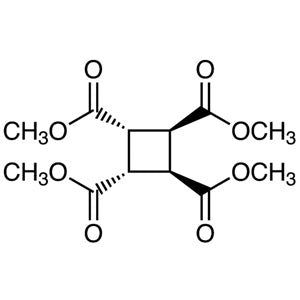
- TCI T2769 1032-95-7 Tetramethyl cis,trans,cis-1,2,3,4-Cyclobutanetetracarboxylate
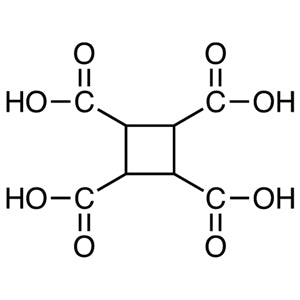
- TCI C2502 53159-92-5 1,2,3,4-Cyclobutanetetracarboxylic Acid
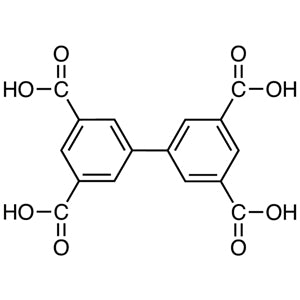
- TCI B3792 4371-28-2 Biphenyl-3,3',5,5'-tetracarboxylic Acid
- TCI B0684 4534-68-3 meso-Butane-1,2,3,4-tetracarboxylic Acid
- TCI B6179 22803-05-0 [1,1'-Biphenyl]-3,3',4,4'-tetracarboxylic Acid
- TCI C2842 4415-87-6 1,2,3,4-Cyclobutanetetracarboxylic Dianhydride (purified by sublimation)
- Organic synthesis is a key application where this compound serves as a versatile building block for creating complex molecular structures.
- Heterocyclic compound formation benefits from its cyclic structure and diimide functionality, enabling the synthesis of nitrogen-containing rings.
- Molecular modification reactions often use this compound due to its reactivity at carboxyl and nitrogen sites, allowing for functional group transformations.
- Pharmaceutical research leverages its chemical properties to develop new drug candidates and intermediates with potential therapeutic applications.
- Bioactive compound studies utilize its reactivity and structural features to explore compounds with biological activity and pharmacological relevance.
| Brand | TCI |
|---|---|
| CAS number | 4415-88-7 |
| Molecular formula | — |
| Purity | — |
| Category | Chemistry > Building Blocks > Non-Heterocyclic Building Blocks |
| Pack sizes | Available in various quantities as per supplier specifications |
| Physical form | Solid |
| Storage | Store in a cool, dry place away from moisture and direct sunlight |
This compound should be stored in a cool, dry environment to maintain its chemical integrity. It is recommended to keep it in a sealed container to prevent moisture absorption, which could affect its reactivity. Due to its chemical nature, it should be handled with appropriate personal protective equipment, such as gloves and safety goggles. It is advisable to store it in a well-ventilated area to minimize exposure to airborne particles. Avoid storing near incompatible substances to prevent unwanted reactions. Proper labeling of storage containers is essential for safe handling and easy identification.
—
Produk Terkait
-
Tetramethylcis,trans,cis-1,2,3,4-Cyclobutanetetracarboxylate TCI T2769
Regular price Rp 4.479.300,00Regular price -
1,2,3,4-CyclobutanetetracarboxylicAcid TCI C2502
Regular price Rp 2.174.550,00Regular price -
Biphenyl-3,3',5,5'-tetracarboxylicAcid TCI B3792
Regular price Rp 3.949.050,00Regular price -
meso-Butane-1,2,3,4-tetracarboxylicAcid TCI B0684
Regular price From Rp 717.150,00Regular price -
[1,1'-Biphenyl]-3,3',4,4'-tetracarboxylicAcid TCI B6179
Regular price Rp 4.479.300,00Regular price -
1,2,3,4-CyclobutanetetracarboxylicDianhydride(purifiedbysublimation) TCI C2842
Regular price From Rp 1.908.900,00Regular price -
1,2,3,4-CyclobutanetetracarboxylicDianhydride TCI C2262
Regular price From Rp 1.803.900,00Regular price -
1,8:4,5-Naphthalenetetracarboxdiimide TCI N0536
Regular price From Rp 4.743.900,00Regular price

![[1,1'-Biphenyl]-3,3',4,4'-tetracarboxylic Acid (CAS 22803-05-0) - TCI B6179 - AMI Scientific](http://amiscientific.com/cdn/shop/files/TCI2510B6179.jpg?v=1767093266&width=533)


