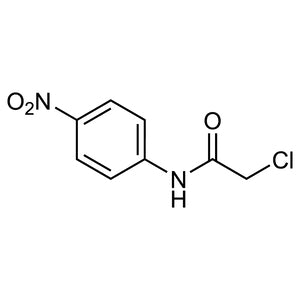
N-(4-Chloro-3-cyano-7-ethoxy-6-quinolinyl)acetamide is a chemical compound widely utilized in organic synthesis reactions within laboratory settings. As a key building block in the field of heterocyclic chemistry, it plays a vital role in the development of complex molecular structures. This compound is particularly valued for its ability to participate in various synthetic pathways, making it an essential tool for researchers working on advanced chemical transformations. Its unique molecular structure provides versatility in chemical reactivity, enabling it to be a valuable asset in both academic and industrial research environments.
The compound’s molecular framework includes functional groups such as chloro, cyano, and ethoxy, which contribute to its reactivity and specificity in chemical reactions. These functional groups allow for a wide range of chemical modifications, making it a preferred choice for synthesizing derivatives with tailored properties. Its stability under controlled conditions further enhances its utility in laboratory applications. The combination of reactivity and structural complexity makes it a sought-after reagent for those aiming to design and develop new chemical compounds with specific functionalities.
In Indonesian laboratories, this compound is commonly used in research related to pharmaceuticals, biochemistry, and materials science. It is frequently selected by researchers for its ability to facilitate the synthesis of quinoline-based compounds, which have applications in drug development and functional material design. Its availability and chemical versatility make it a reliable choice for both fundamental and applied research projects in the region.
Related TCI products
- TCI M3197 139481-44-0 Methyl 1-[(2'-Cyano-[1,1'-biphenyl]-4-yl)methyl]-2-ethoxy-1H-benzo[d]imidazole-7-carboxylate
- TCI C3217 24522-30-3 2-Cyano-N-[4-(trifluoromethyl)phenyl]acetamide
- TCI P3049 153433-21-7 (E)-[[(1-Cyano-2-ethoxy-2-oxoethylidene)amino]oxy]tri(pyrrolidin-1-yl)phosphonium Hexafluorophosphate(V)
- TCI M3626 37394-93-7 2-Chloro-N-(o-tolyl)acetamide
- TCI C4051 351-04-2 2-Chloro-N-(4-fluorophenyl)acetamide
- TCI C3979 3289-75-6 2-Chloro-N-(4-chlorophenyl)acetamide
- Organic synthesis is a primary application, as the compound enables the construction of complex molecular frameworks through various reaction mechanisms.
- Pharmaceutical research benefits from its use in the development of quinoline derivatives, which are known for their pharmacological properties.
- Biochemical studies often incorporate this compound to explore its reactivity in enzyme-catalyzed reactions and molecular interactions.
- Material science applications leverage its structural versatility for the creation of advanced polymers and functional materials.
- Analytical chemistry uses it as a reference standard for the identification and quantification of similar compounds in complex mixtures.
| Brand | TCI |
|---|---|
| CAS number | 848133-76-6 |
| Molecular formula | — |
| Purity | — |
| Category | Chemistry > Building Blocks > Heterocyclic Building Blocks |
| Pack sizes | Available in various quantities as per standard laboratory supply formats |
| Physical form | Solid, crystalline or amorphous depending on the batch |
| Storage | Store in a cool, dry place away from light and moisture |
This compound should be stored in a cool, dry environment, away from direct sunlight and sources of heat. It is recommended to keep it in a sealed container to prevent exposure to moisture and air, which could affect its stability. Proper ventilation should be maintained in the storage area to minimize the risk of inhalation of any vapors. Due to its chemical nature, it should be handled with appropriate personal protective equipment, including gloves and safety goggles. Avoid contact with skin and eyes, and ensure that spillage is promptly cleaned up using suitable safety protocols. Its reactivity with certain substances necessitates careful handling and storage to maintain its integrity and ensure safe laboratory practices.
—
Product Categories
Produk Terkait
-
Methyl1-[(2'-Cyano-[1,1'-biphenyl]-4-yl)methyl]-2-ethoxy-1H-benzo[d]imidazole-7-carboxylate TCI M3197
Regular price From Rp 1.167.600,00Regular price -
2-Cyano-N-[4-(trifluoromethyl)phenyl]acetamide TCI C3217
Regular price From Rp 2.809.800,00Regular price -
(E)-[[(1-Cyano-2-ethoxy-2-oxoethylidene)amino]oxy]tri(pyrrolidin-1-yl)phosphoniumHexafluorophosphate(V) TCI P3049
Regular price From Rp 1.590.750,00Regular price -
2-Chloro-N-(o-tolyl)acetamide TCI M3626
Regular price Rp 3.738.000,00Regular price -
2-Chloro-N-(4-fluorophenyl)acetamide TCI C4051
Regular price From Rp 1.590.750,00Regular price -
2-Chloro-N-(4-chlorophenyl)acetamide TCI C3979
Regular price From Rp 1.590.750,00Regular price -
2-Chloro-N-(4-methoxyphenyl)acetamide TCI C3974
Regular price From Rp 3.683.400,00Regular price -
2-Chloro-N-(4-nitrophenyl)acetamide TCI C3966
Regular price Rp 2.174.550,00Regular price
![139481-44-0 Methyl 1-[(2'-Cyano-[1,1'-biphenyl]-4-yl)methyl]-2-ethoxy-1H-benzo[d]imidazole-7-carboxylate - AMI Scientific](http://amiscientific.com/cdn/shop/files/TCI2510M3197.jpg?v=1767127902&width=533)
![2-Cyano-N-[4-(trifluoromethyl)phenyl]acetamide (CAS 24522-30-3) - TCI C3217 - AMI Scientific](http://amiscientific.com/cdn/shop/files/TCI2510C3217.jpg?v=1767099348&width=533)
![153433-21-7 (E)-[[(1-Cyano-2-ethoxy-2-oxoethylidene)amino]oxy]tri(pyrrolidin-1-yl)phosphonium Hexafluorophosphate(V) - AMI Scientific](http://amiscientific.com/cdn/shop/files/TCI2510P3049.jpg?v=1771058645&width=533)