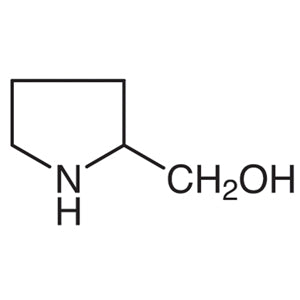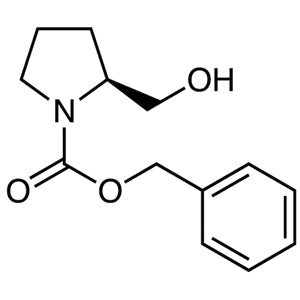
N-Carbobenzoxy-L-prolinol (TCI C3332, CAS 6216-63-3) is a chiral building block widely used in asymmetric synthesis within laboratory settings. It serves as a key intermediate in the development of chiral molecules, which are essential in pharmaceutical and organic chemistry research. This compound is particularly valuable for its ability to maintain stereochemical integrity during complex synthetic processes. Its role in the laboratory is critical for creating molecules with specific spatial configurations, which are often required in drug development and advanced chemical research.
The compound is preferred due to its chemical stability and controlled reactivity under specific conditions. The presence of a protected carboxyl group allows for selective chemical modifications without compromising the core structure of the molecule. This feature makes it highly versatile for various synthetic transformations. Additionally, its good solubility in organic solvents enhances its usability in a wide range of chemical reactions. These properties make it a reliable and efficient choice for researchers working in asymmetric synthesis.
In Indonesian laboratories, N-Carbobenzoxy-L-prolinol is commonly used in organic chemistry research, especially in the fields of asymmetric synthesis and drug development. Its availability supports local scientific efforts in creating chiral compounds with specific biological activities. Researchers rely on this compound to advance their work in synthesizing complex molecules with precise stereochemistry, contributing to the growth of scientific innovation in the region.
TCI brochures (PDF)
- Chiral Building Blocks 2025-04-14 · p. 2
Related TCI products
- Asymmetric synthesis of chiral compounds due to its stereochemical stability and controlled reactivity.
- Development of pharmaceuticals requiring precise molecular configurations for drug efficacy.
- Organic chemistry research involving selective functional group modifications in complex molecules.
- Creation of chiral intermediates for use in advanced synthetic pathways and catalytic reactions.
- Support for academic and industrial research in the production of bioactive molecules with specific spatial arrangements.
| Brand | TCI |
|---|---|
| CAS number | 6216-63-3 |
| Molecular formula | — |
| Purity | — |
| Category | Chemistry > Asymmetric Synthesis > Chiral Building Blocks |
| Pack sizes | — |
| Physical form | — |
| Storage | Store in a cool, dry place away from light and moisture |
N-Carbobenzoxy-L-prolinol should be stored in a cool, dry environment, away from direct light and moisture to maintain its chemical integrity. It is recommended to use airtight containers to prevent exposure to air and humidity, which could affect its stability. General laboratory precautions include handling with care to avoid contamination and ensuring proper ventilation when working with the compound. Due to its chemical nature, it should be stored separately from incompatible substances. Proper labeling and storage conditions are essential to ensure safety and maintain the quality of the compound for research applications.
—
Product Categories
- Asymmetric SynthesisChiral Building BlocksChiral Heterocyclic Building Blocks
- Building BlocksChiral Building BlocksChiral Heterocyclic Building Blocks
- Chemical BiologyPeptide ChemistryAmino Acid Derivatives [Peptide Chemistry]
- Pharmaceutical Development and Drug Discovery Research ReagentsPeptide ChemistryAmino Acid Derivatives [Peptide Chemistry]
Produk Terkait
-
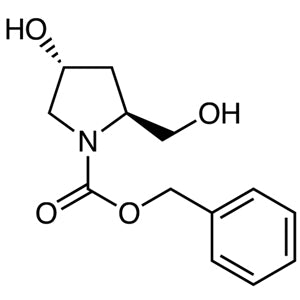
N-Carbobenzoxy-trans-4-hydroxy-L-prolinol TCI C3255
Regular price Rp 2.411.850,00Regular price -
N-(tert-Butoxycarbonyl)-L-prolinol TCI B3077
Regular price From Rp 848.400,00Regular price -
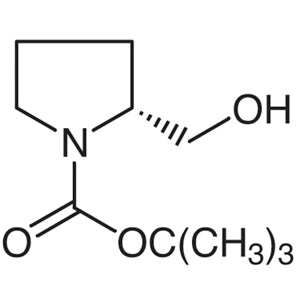
N-(tert-Butoxycarbonyl)-D-prolinol TCI B3076
Regular price From Rp 557.550,00Regular price -
D-Prolinol TCI P1274
Regular price From Rp 795.900,00Regular price -
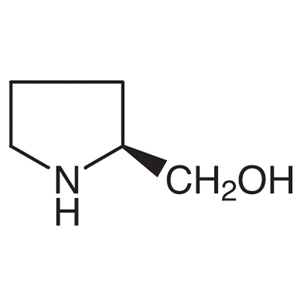
L-Prolinol TCI P1087
Regular price From Rp 1.405.950,00Regular price -
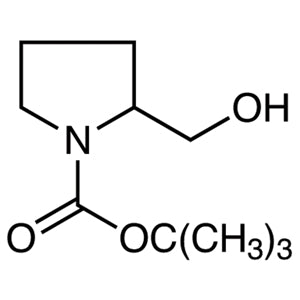
N-(tert-Butoxycarbonyl)-DL-prolinol TCI B3273
Regular price From Rp 2.227.050,00Regular price -
DL-Prolinol TCI P1793
Regular price From Rp 2.491.650,00Regular price -
N-Carbobenzoxy-L-alaninol TCI C2629
Regular price Rp 664.650,00Regular price