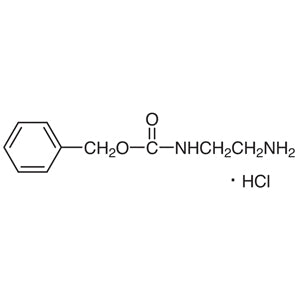
N-Carbobenzoxy-1,12-diaminododecane Hydrochloride is a chemical compound widely used in laboratory settings for its role in synthetic chemistry. This compound is particularly valuable in the synthesis of complex molecules and molecular modification processes. It serves as a key building block in organic chemistry, enabling the creation of new compounds through various chemical reactions. Its utility spans across multiple research areas, making it a versatile reagent in modern chemical laboratories.
The compound is known for its chemical stability and reactivity under controlled conditions, which makes it a preferred choice for synthetic applications. It is available in solid form and dissolves well in organic solvents, enhancing its usability in a variety of chemical processes. These properties allow it to be easily incorporated into experimental workflows without significant loss of activity. Its resistance to degradation also supports long-term storage and consistent performance in repeated experiments.
In Indonesian laboratories, this compound is commonly used for scientific research, pharmaceutical development, and chemical testing. Its specific synthetic applications make it a go-to material for researchers working on organic chemistry and molecular synthesis. The compound's reliability and effectiveness in various experimental setups contribute to its widespread use in both academic and industrial research environments.
Related TCI products
- TCI D0091 2783-17-7 1,12-Diaminododecane
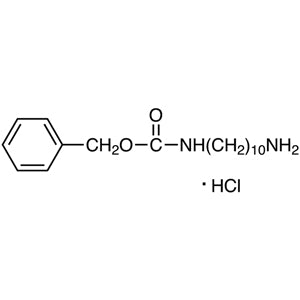
- TCI C3471 1051420-13-3 N-Carbobenzoxy-1,10-diaminodecane Hydrochloride
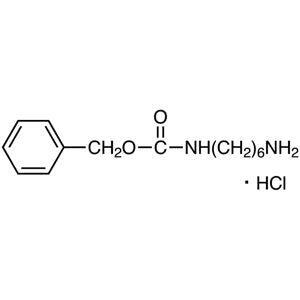
- TCI C1521 78618-06-1 N-Carbobenzoxy-1,6-diaminohexane Hydrochloride
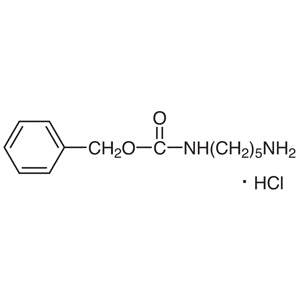
- TCI C1520 18807-74-4 N-Carbobenzoxy-1,5-diaminopentane Hydrochloride
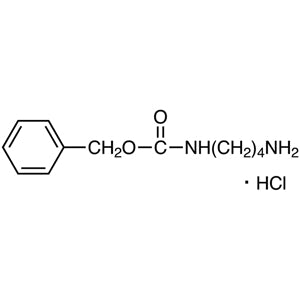
- TCI C1519 18807-73-3 N-Carbobenzoxy-1,4-diaminobutane Hydrochloride
- TCI C1511 18807-71-1 N-Carbobenzoxy-1,2-diaminoethane Hydrochloride
- Synthetic Chemistry: This compound is ideal for the synthesis of complex molecules due to its reactivity and structural versatility.
- Pharmaceutical Development: It is used in the creation of new drug compounds, supporting the design of targeted molecular structures.
- Molecular Modification: Its ability to participate in chemical reactions makes it suitable for modifying existing molecular frameworks.
- Organic Research: It serves as a key reagent in organic synthesis, enabling the formation of new chemical entities.
- Chemical Testing: It is frequently used in analytical and preparative experiments to test reaction mechanisms and product formation.
| Brand | TCI |
|---|---|
| CAS number | 1051420-16-6 |
| Molecular formula | — |
| Purity | — |
| Category | Chemistry > Building Blocks > Non-Heterocyclic Building Blocks |
| Pack sizes | Available in various quantities as per supplier specifications |
| Physical form | Solid |
| Storage | Store in a cool, dry place away from moisture and direct sunlight |
This compound should be stored in a cool, dry environment to maintain its chemical stability. It is recommended to keep it in a sealed container to prevent exposure to moisture and air, which could affect its integrity. Suitable storage containers include glass or high-density polyethylene vessels that are resistant to chemical degradation. Laboratory personnel should handle the compound with care, using appropriate personal protective equipment such as gloves and safety goggles. It is important to ensure that the compound is stored away from incompatible substances to avoid any potential chemical interactions. Proper labeling and storage conditions are essential to ensure the safety and effectiveness of the material in experimental applications.
—
Produk Terkait
-
1,12-Diaminododecane TCI D0091
Regular price From Rp 1.670.550,00Regular price -
N-Carbobenzoxy-1,10-diaminodecaneHydrochloride TCI C3471
Regular price From Rp 1.378.650,00Regular price -
N-Carbobenzoxy-1,6-diaminohexaneHydrochloride TCI C1521
Regular price Rp 2.068.500,00Regular price -
N-Carbobenzoxy-1,5-diaminopentaneHydrochloride TCI C1520
Regular price From Rp 2.837.100,00Regular price -
N-Carbobenzoxy-1,4-diaminobutaneHydrochloride TCI C1519
Regular price From Rp 2.571.450,00Regular price -
N-Carbobenzoxy-1,2-diaminoethaneHydrochloride TCI C1511
Regular price From Rp 1.458.450,00Regular price -
1-Iododecane(stabilizedwithCopperchip) TCI I0494
Regular price Rp 1.378.650,00Regular price -
1-tert-ButylN-Carbobenzoxy-L-glutamate TCI B4912
Regular price From Rp 689.850,00Regular price