2-(2-Chlorophenyl)benzimidazole is a chemical compound widely used in laboratory settings for the synthesis of heterocyclic compounds. As a key building block in organic chemistry, it plays a vital role in the development of complex molecular structures. This compound is particularly valuable in pharmaceutical research due to its ability to participate in various chemical reactions, including substitution, condensation, and ring-forming processes. Its versatility makes it an essential reagent for chemists working on drug discovery and synthetic pathways.
The compound's stability and unique reactivity profile make it a preferred choice for researchers. Its benzimidazole core is well-known for its biological activity, which opens up opportunities for the creation of compounds with medicinal potential. The chemical's predictable behavior under different reaction conditions allows for consistent results in laboratory experiments. This reliability, combined with its structural simplicity, makes it a go-to material for synthetic chemists aiming to develop new compounds with specific functional properties.
In Indonesian laboratories, 2-(2-Chlorophenyl)benzimidazole is commonly used in scientific research, especially in organic chemistry and pharmacology. It is frequently employed in the development of new drugs, modification of bioactive compounds, and studies on antioxidant and antimitotic activities. Its presence in academic and research institutions highlights its importance in advancing chemical and biological research in the region.
Related TCI products
- TCI B6092 13275-42-8 2-(2-Bromophenyl)-1H-benzimidazole
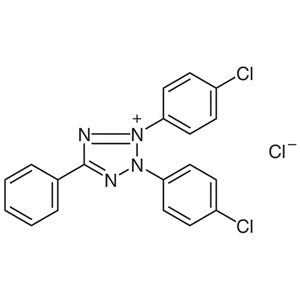
- TCI B1052 135788-08-8 2,3-Bis(4-chlorophenyl)-5-phenyltetrazolium Chloride
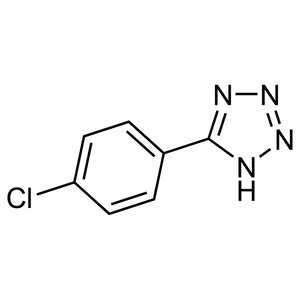
- TCI C4066 16687-61-9 5-(4-Chlorophenyl)-1H-tetrazole
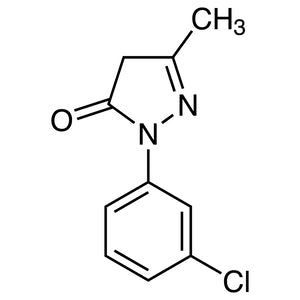
- TCI C3919 90-31-3 2-(3-Chlorophenyl)-5-methyl-2,4-dihydro-3H-pyrazol-3-one
- TCI C3913 38922-74-6 2-(4-Chlorophenyl)imidazo[1,2-a]pyridine
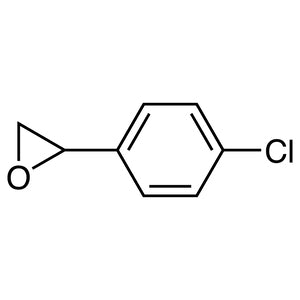
- TCI C3907 2788-86-5 2-(4-Chlorophenyl)oxirane
- Organic synthesis applications benefit from this compound's role as a versatile building block for creating complex heterocyclic structures.
- Pharmaceutical research utilizes it for the development of new drugs due to its potential for biological activity and structural adaptability.
- Antioxidant studies often incorporate this compound to investigate its effects on free radical scavenging and oxidative stress reduction.
- Antimitotic research uses it to explore its potential in inhibiting cell division and tumor growth mechanisms.
- Bioactive compound modification projects rely on its reactivity to alter existing molecules for enhanced therapeutic properties.
| Brand | TCI |
|---|---|
| CAS number | 3574-96-7 |
| Molecular formula | — |
| Purity | — |
| Category | Chemistry > Building Blocks > Heterocyclic Building Blocks |
| Pack sizes | Available in standard laboratory quantities |
| Physical form | Solid powder |
| Storage | Store in a cool, dry place away from light |
This compound should be stored in a cool, dry environment, away from direct sunlight and sources of heat. It is recommended to keep it in a sealed container to prevent moisture absorption and contamination. As a solid powder, it should be handled with care using appropriate personal protective equipment to avoid inhalation or skin contact. In laboratory settings, it is important to ensure good ventilation when working with this material. Proper labeling of storage containers is essential for safety and traceability. Regular monitoring of storage conditions helps maintain the compound's stability and effectiveness for research purposes.
—
Produk Terkait
-
2-(2-Bromophenyl)-1H-benzimidazole TCI B6092
Regular price Rp 1.008.000,00Regular priceRp 720.300,00Sale price Rp 1.008.000,00 -
2,3-Bis(4-chlorophenyl)-5-phenyltetrazoliumChloride TCI B1052
Regular price Rp 1.881.600,00Regular priceRp 1.331.400,00Sale price Rp 1.881.600,00 -
5-(4-Chlorophenyl)-1H-tetrazole TCI C4066
Regular price Rp 900.900,00Regular priceRp 645.750,00Sale price Rp 900.900,00 -
2-(3-Chlorophenyl)-5-methyl-2,4-dihydro-3H-pyrazol-3-one TCI C3919
Regular price Rp 1.220.100,00Regular priceRp 868.350,00Sale price Rp 1.220.100,00 -
2-(4-Chlorophenyl)imidazo[1,2-a]pyridine TCI C3913
Regular price Rp 3.312.750,00Regular priceRp 2.332.050,00Sale price Rp 3.312.750,00 -
2-(4-Chlorophenyl)oxirane TCI C3907
Regular price Rp 2.147.250,00Regular priceRp 1.501.500,00Sale price Rp 2.147.250,00 -
2-(4-Chlorophenyl)benzo[d]oxazole TCI C3848
Regular price Rp 4.266.150,00Regular priceRp 2.998.800,00Sale price Rp 4.266.150,00 -
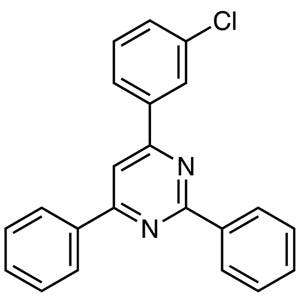
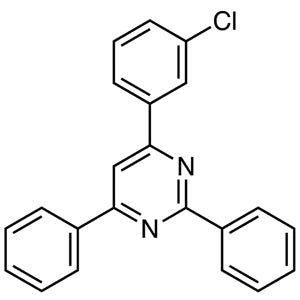
4-(3-Chlorophenyl)-2,6-diphenylpyrimidine TCI C3519
Regular price Rp 1.510.950,00Regular priceRp 1.072.050,00Sale price Rp 1.510.950,00

![2-(4-Chlorophenyl)imidazo[1,2-a]pyridine (CAS 38922-74-6) - TCI C3913 - AMI Scientific](http://amiscientific.com/cdn/shop/files/TCI2510C3913.jpg?v=1767100294&width=533)
![2-(4-Chlorophenyl)benzo[d]oxazole (CAS 1141-35-1) - TCI C3848 - AMI Scientific](http://amiscientific.com/cdn/shop/files/TCI2510C3848.jpg?v=1767100181&width=533)