Cyclobutylmethanamine (TCI C3836, CAS 4415-83-2) is a chemical compound widely used as a building block in organic synthesis. It serves as a fundamental component in the creation of complex organic molecules, enabling chemists to modify molecular structures through various reaction mechanisms. This compound is essential in laboratory settings where the development of new chemical entities is required, particularly in pharmaceutical and industrial research. Its versatility makes it a valuable resource for researchers aiming to explore novel chemical pathways and functional group transformations.
The properties of Cyclobutylmethanamine make it a preferred choice for chemical synthesis. It exhibits stability under specific reaction conditions and can form bonds with a wide range of functional groups. Its polar nature enhances its reactivity in different reaction media, allowing it to participate in nucleophilic, electrophilic, and substitution reactions. These characteristics ensure that it remains a reliable and effective reagent in both academic and industrial laboratories. Its ability to interact with diverse chemical environments contributes to its widespread use in organic chemistry.
In Indonesian laboratories, Cyclobutylmethanamine is commonly used in scientific research across multiple disciplines. It plays a key role in pharmaceutical development, organic chemistry, and analytical chemistry. Researchers in Indonesia rely on this compound for the synthesis of complex molecules and the exploration of new chemical applications. Its availability through AMI Scientific ensures that it remains a critical component in the chemical research infrastructure of the country.
Related TCI products
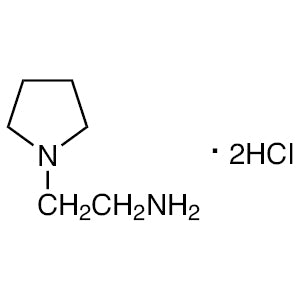
- TCI A3393 65592-36-1 2-(1-Pyrrolidinyl)ethanamine Dihydrochloride
- TCI C3933 6053-81-2 Cyclopentylmethanamine
- TCI D6477 1286330-22-0 tert-Butyl [1-(Aminomethyl)cyclobutyl]carbamate
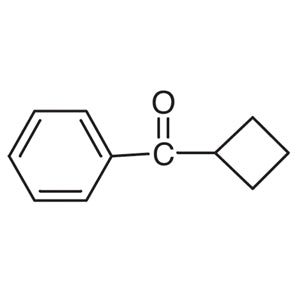
- TCI C1035 5407-98-7 Cyclobutyl Phenyl Ketone
- TCI T4142 55661-33-1 Thiazol-2-ylmethanamine
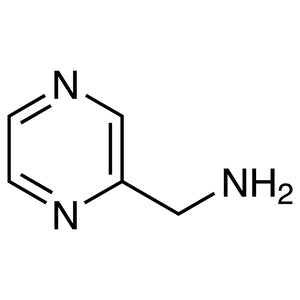
- TCI P3116 20010-99-5 Pyrazin-2-ylmethanamine
- Organic synthesis is a primary application where Cyclobutylmethanamine is used to build complex molecular structures through various reaction mechanisms.
- Pharmaceutical research benefits from its ability to participate in nucleophilic and electrophilic reactions, aiding in the development of new drug compounds.
- Analytical chemistry utilizes Cyclobutylmethanamine as a standard for chromatographic and spectroscopic analysis due to its well-defined chemical properties.
- Industrial chemical processes incorporate this compound for the production of specialty chemicals and intermediates in manufacturing.
- Academic research in chemical sciences employs Cyclobutylmethanamine to explore new reaction pathways and functional group transformations.
| Brand | TCI |
|---|---|
| CAS number | 4415-83-2 |
| Molecular formula | — |
| Purity | — |
| Category | Chemistry > Building Blocks > Non-Heterocyclic Building Blocks |
| Pack sizes | Available in various quantities as per standard chemical supply practices |
| Physical form | Liquid or solid, depending on the specific formulation |
| Storage | Store in a cool, dry place away from direct sunlight and incompatible materials |
Cyclobutylmethanamine should be stored in a cool, dry environment to maintain its chemical integrity. It is recommended to keep it in a tightly sealed container to prevent exposure to moisture and air. Suitable containers include glass or high-density polyethylene bottles to minimize the risk of chemical interaction. In laboratory settings, it should be handled with appropriate personal protective equipment, such as gloves and safety goggles. Storage away from strong oxidizing agents and reactive substances is essential to ensure safety. Regular monitoring of storage conditions helps maintain the compound's stability and effectiveness for research applications.
—
Produk Terkait
-
2-(1-Pyrrolidinyl)ethanamineDihydrochloride TCI A3393
Regular price Rp 1.881.600,00Regular price -
Cyclopentylmethanamine TCI C3933
Regular price From Rp 2.227.050,00Regular price -
tert-Butyl[1-(Aminomethyl)cyclobutyl]carbamate TCI D6477
Regular price Rp 4.584.300,00Regular price -
CyclobutylPhenylKetone TCI C1035
Regular price Rp 2.306.850,00Regular price -
Thiazol-2-ylmethanamine TCI T4142
Regular price From Rp 2.279.550,00Regular price -
Pyrazin-2-ylmethanamine TCI P3116
Regular price Rp 1.193.850,00Regular price -
(1-Methyl-1H-pyrazol-4-yl)methanamine TCI M3925
Regular price Rp 2.359.350,00Regular price -
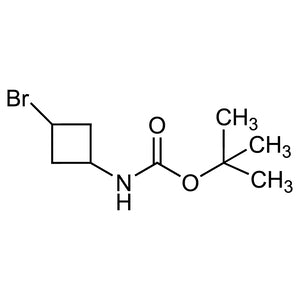
tert-Butyl(3-Bromocyclobutyl)carbamate(cis-andtrans-mixture) TCI D6502
Regular price From Rp 2.411.850,00Regular price

![tert-Butyl [1-(Aminomethyl)cyclobutyl]carbamate (CAS 1286330-22-0) - TCI D6477 - AMI Scientific](http://amiscientific.com/cdn/shop/files/TCI2510D6477.jpg?v=1767110257&width=533)