Potassium Canrenoate is a chemical compound widely used in scientific research and experimental settings, particularly in pharmacology and biochemistry. As a derivative of digitoxigenin, it belongs to the group of steroid compounds and is valued for its stability and measurable biological activity. In laboratory environments, it serves as a key reagent for investigating the pharmacological effects and mechanisms of action of various substances. Its ability to interact with biological targets such as receptors and enzymes makes it an essential tool for molecular and physiological studies.
The compound's unique chemical properties, including its solubility and environmental stability, make it a preferred choice for researchers. Its high purity and consistent packaging ensure reliability in experimental outcomes, which is critical for maintaining scientific accuracy. These characteristics allow it to be used in a wide range of applications, from basic research to more complex experimental designs. Its molecular complexity further enhances its utility in studying interactions at the molecular level.
In Indonesian laboratories, Potassium Canrenoate is commonly used by researchers and educational institutions for various scientific experiments. It plays a crucial role in studies related to drug development, cellular responses, and biochemical pathways. Its availability and reliability make it an important component in the research toolkit of Indonesian scientists, supporting both academic and applied research initiatives.
- Pharmacological research utilizes Potassium Canrenoate to study drug mechanisms and receptor interactions due to its well-defined biochemical properties.
- Biochemical experiments benefit from its stability and solubility, allowing consistent results in enzyme and receptor binding studies.
- Molecular biology applications rely on its ability to interact with biological targets, making it ideal for molecular modeling and interaction studies.
- Toxicology research employs it to assess the effects of compounds on cellular and physiological systems under controlled conditions.
- Drug development projects use it as a reference compound to evaluate the efficacy and safety of new pharmaceutical formulations.
| Brand | TCI |
|---|---|
| CAS number | 2181-04-6 |
| Molecular formula | — |
| Purity | — |
| Category | Pharmaceutical Ingredients (for Research and Experimental Use) |
| Pack sizes | As listed on product packaging |
| Physical form | Solid (as per standard product description) |
| Storage | Store in a cool, dry place away from light |
Potassium Canrenoate should be stored in a cool, dry environment to maintain its stability and prevent degradation. It is recommended to keep it in a sealed container to minimize exposure to moisture and air. Due to its chemical nature, it should be handled with appropriate personal protective equipment, such as gloves and safety goggles, to ensure laboratory safety. Avoid direct contact with skin or inhalation of vapors. It should not be stored near incompatible substances, such as strong acids or bases. Regular monitoring of storage conditions ensures the integrity of the compound throughout its shelf life.
—
Produk Terkait
-
VerapamilHydrochloride TCI V0118
Regular price From Rp 1.565.550,00Regular price -
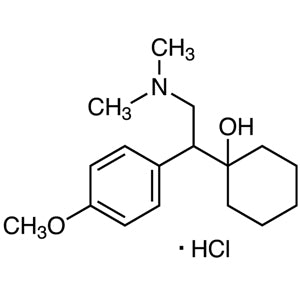
VenlafaxineHydrochloride TCI V0110
Regular price From Rp 743.400,00Regular price -
TrospiumChloride TCI T3305
Regular price From Rp 2.942.100,00Regular price -
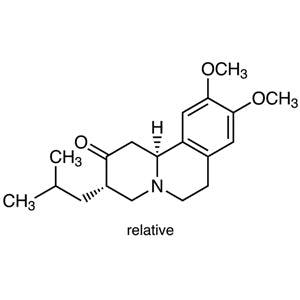
Tetrabenazine TCI T2839
Regular price From Rp 2.969.400,00Regular price -
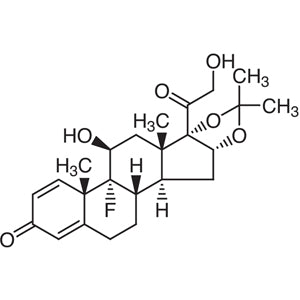
TriamcinoloneAcetonide TCI T2308
Regular price From Rp 1.378.650,00Regular price -
Triamcinolone TCI T2303
Regular price Rp 3.763.200,00Regular price -
Budesonide TCI B3909
Regular price From Rp 2.199.750,00Regular price -
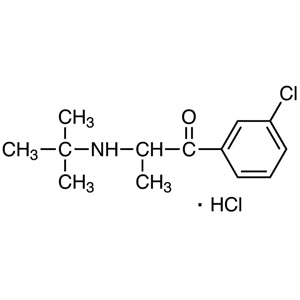
BupropionHydrochloride TCI B3649
Regular price From Rp 2.518.950,00Regular price