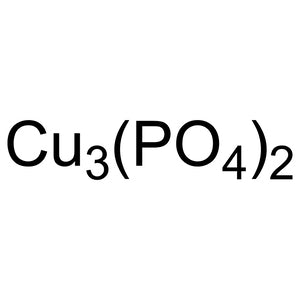
Copper(II) Phosphate is a chemical compound classified under inorganic substances, widely used in laboratory settings for its catalytic properties and chemical stability. It is a key reagent in various chemical reactions, particularly in catalysis and transition metal studies. As a copper-based compound, it plays a crucial role in facilitating reactions that require copper ions as catalysts or as part of complex compound synthesis. Its presence in laboratory experiments supports both fundamental and applied chemical research, making it an essential tool for chemists working in diverse fields.
The compound is known for its chemical stability under normal conditions, which makes it a preferred choice for laboratory use. It exhibits controlled reactivity, allowing it to be safely handled in a variety of experimental setups. Its low solubility in water simplifies handling and storage, while its resistance to decomposition ensures consistency in experimental results. These properties make it a reliable material for use in both routine and specialized chemical procedures.
In Indonesian laboratories, Copper(II) Phosphate is commonly used in chemical research and development. It is frequently found in academic and industrial settings where catalytic processes or the synthesis of transition metal compounds are required. Its role in supporting both theoretical and practical studies makes it a valuable resource for researchers and students alike. Its stability and reactivity make it well-suited for a wide range of chemical applications in the region.
TCI brochures (PDF)
- Metallic Salts 2025-11-06 · p. 8
- Transition Metal Catalysts 2026-04-10 · p. 15
- Catalytic Reactions: Copper(II) Phosphate is used in catalytic processes due to its ability to provide stable copper ions, which are essential for promoting chemical reactions.
- Transition Metal Studies: It is a key reagent in studying the behavior of transition metals, particularly in inorganic chemistry research.
- Complex Compound Synthesis: The compound is often used as a building block in the synthesis of more complex chemical structures involving copper.
- Analytical Chemistry: It serves as a standard material for analytical procedures that require precise control over copper ion concentration.
- Environmental Research: Its use in environmental studies helps in understanding the behavior of copper compounds in different chemical environments.
| Brand | TCI |
|---|---|
| CAS number | 7798-23-4 |
| Molecular formula | — |
| Purity | — |
| Category | Chemistry > Catalysis and Inorganic Chemistry > Transition Elements |
| Pack sizes | Available in various quantities as per standard laboratory supply |
| Physical form | Solid powder |
| Storage | Store in a cool, dry place away from moisture and direct sunlight |
Copper(II) Phosphate should be stored in a cool, dry place, away from moisture and direct sunlight to maintain its chemical stability. It is recommended to use airtight containers to prevent exposure to humidity, which could affect its solubility and reactivity. As a solid powder, it should be handled with care to avoid inhalation or skin contact. In laboratory settings, it is advisable to use appropriate personal protective equipment, such as gloves and safety goggles, when handling the compound. Regular inspection of storage conditions ensures that the material remains in optimal condition for use in chemical experiments. Proper storage not only ensures safety but also maintains the integrity of the compound for reliable experimental results.
—
Produk Terkait
-
Copper(I)Acetate TCI A1540
Regular price From Rp 1.565.550,00Regular price -
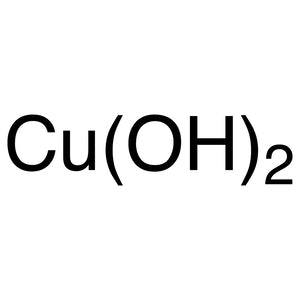
Copper(II)Hydroxide TCI C3971
Regular price From Rp 1.035.300,00Regular price -
Copper(II)Oxide TCI C3849
Regular price Rp 610.050,00Regular price -
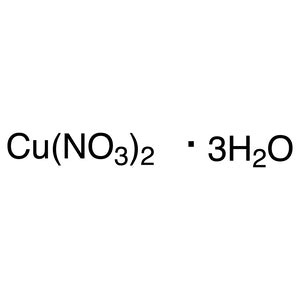
Copper(II)NitrateTrihydrate TCI C3775
Regular price From Rp 610.050,00Regular price -
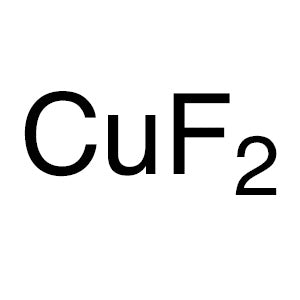
Copper(II)Fluoride TCI C3762
Regular price From Rp 1.298.850,00Regular price -
Copper(I)Thiocyanate TCI C3417
Regular price From Rp 848.400,00Regular price -
Copper(II)Bis(trifluoromethanesulfonyl)imide TCI C2827
Regular price Rp 2.199.750,00Regular price -
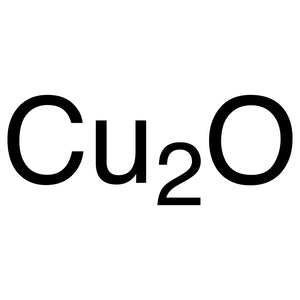
Copper(I)Oxide TCI C2552
Regular price From Rp 717.150,00Regular price